
Iran has rejected a US-backed ceasefire proposal and instead submitted its own five-point counter-plan, signalling that any end to the ongoing conflict will occur strictly on Tehran’s terms despite continued claims from Donald Trump that negotiations remain possible.
Tehran dismisses US proposal as unrealistic
The United States had put forward a comprehensive 15-point plan aimed at halting the war, including provisions related to Iran’s nuclear programme, missile capabilities, and the reopening of the Strait of Hormuz. However, Iranian officials rejected the proposal, describing it as “maximalist” and detached from realities on the ground.
Iranian leadership has made clear that it does not consider the US proposal a viable basis for negotiation, reinforcing a broader stance that external pressure will not dictate the terms of any settlement.

Five-point counter-proposal outlines Tehran’s position
In response, Iran has outlined its own framework for ending the war. Central demands include a full halt to military operations, guarantees against renewed conflict, and compensation for damages incurred during the war.
Additional conditions reportedly extend to broader regional considerations, including the cessation of attacks across multiple fronts and recognition of Iran’s strategic interests. In some accounts, this includes asserting control over key transit routes such as the Strait of Hormuz—one of the world’s most critical النفط corridors.
Crucially, Iranian officials have emphasised that the timeline for ending the conflict will be determined solely by Tehran, not by external actors.
Conflicting narratives on negotiations
Despite Iran’s rejection, President Donald Trump has continued to assert that discussions are ongoing and that a deal remains within reach. The White House maintains that indirect contacts are taking place through intermediaries, even as Iranian authorities deny that any formal negotiations are underway.
This divergence has created a complex diplomatic environment, where public statements from both sides often contradict each other, contributing to uncertainty in both political and financial markets.
War dynamics continue alongside diplomacy
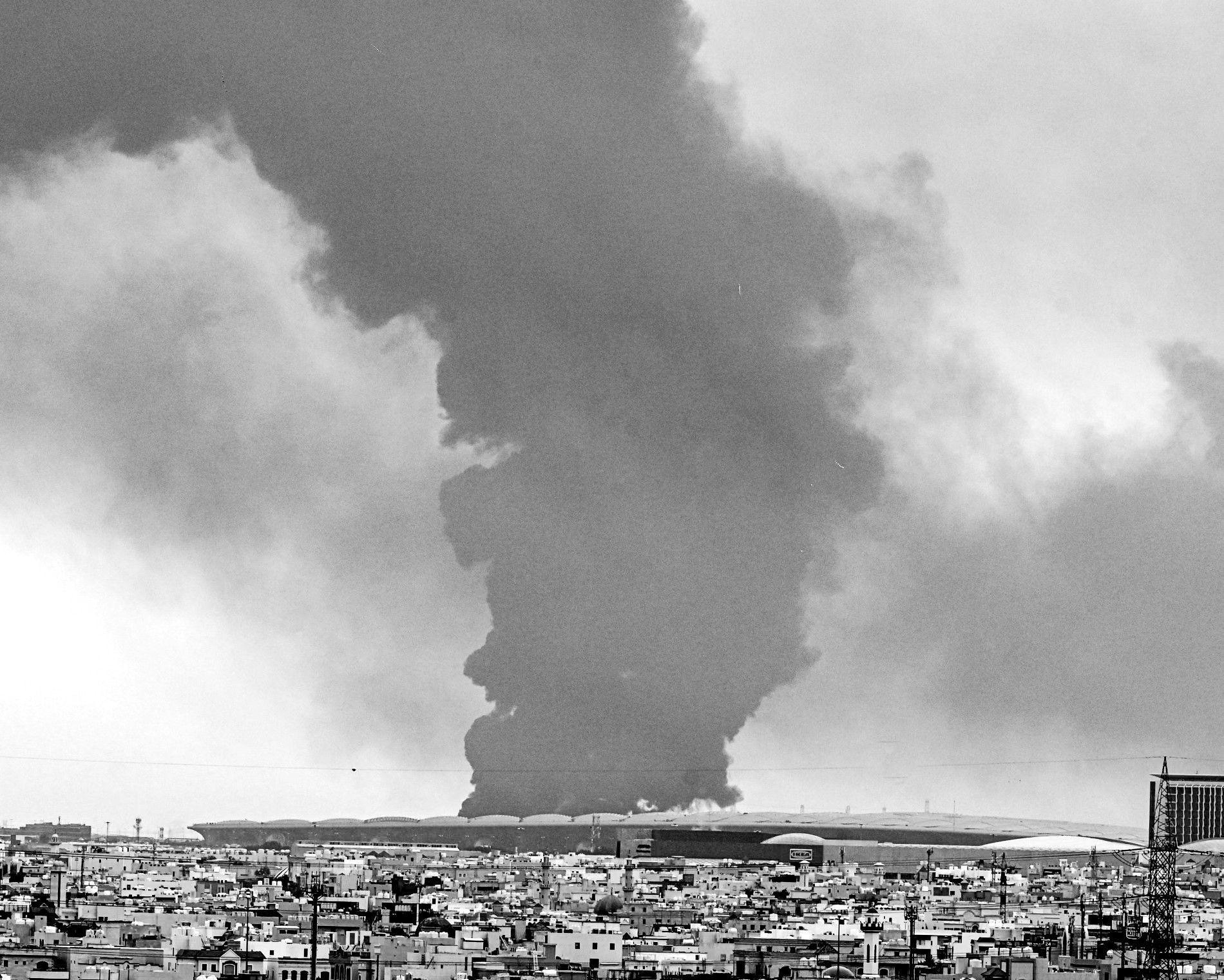
The diplomatic standoff is unfolding against a backdrop of continued military escalation. Iran has launched further strikes across the region while US and allied forces have expanded deployments, underscoring that the conflict remains active despite parallel diplomatic efforts.
At the same time, international actors—including regional mediators—are attempting to facilitate dialogue, reflecting growing concern over the global economic and security implications of a prolonged conflict.
Markets and geopolitics remain tightly linked
The uncertainty surrounding ceasefire prospects continues to drive volatility in global markets, particularly in energy prices and equities. Initial optimism around a potential deal has repeatedly been reversed by conflicting signals, reinforcing a headline-driven trading environment.
For now, Iran’s firm rejection of the US proposal and insistence on its own terms suggest that any resolution remains distant. The path forward will likely depend on whether both sides can bridge significant gaps in their strategic objectives—or whether the conflict enters a more prolonged and entrenched phase.
Newshub Editorial in Middle East – March 26, 2026

If you have an account with ChatGPT you get deeper explanations,
background and context related to what you are reading.
Open an account:
Open an account
Recent Comments