

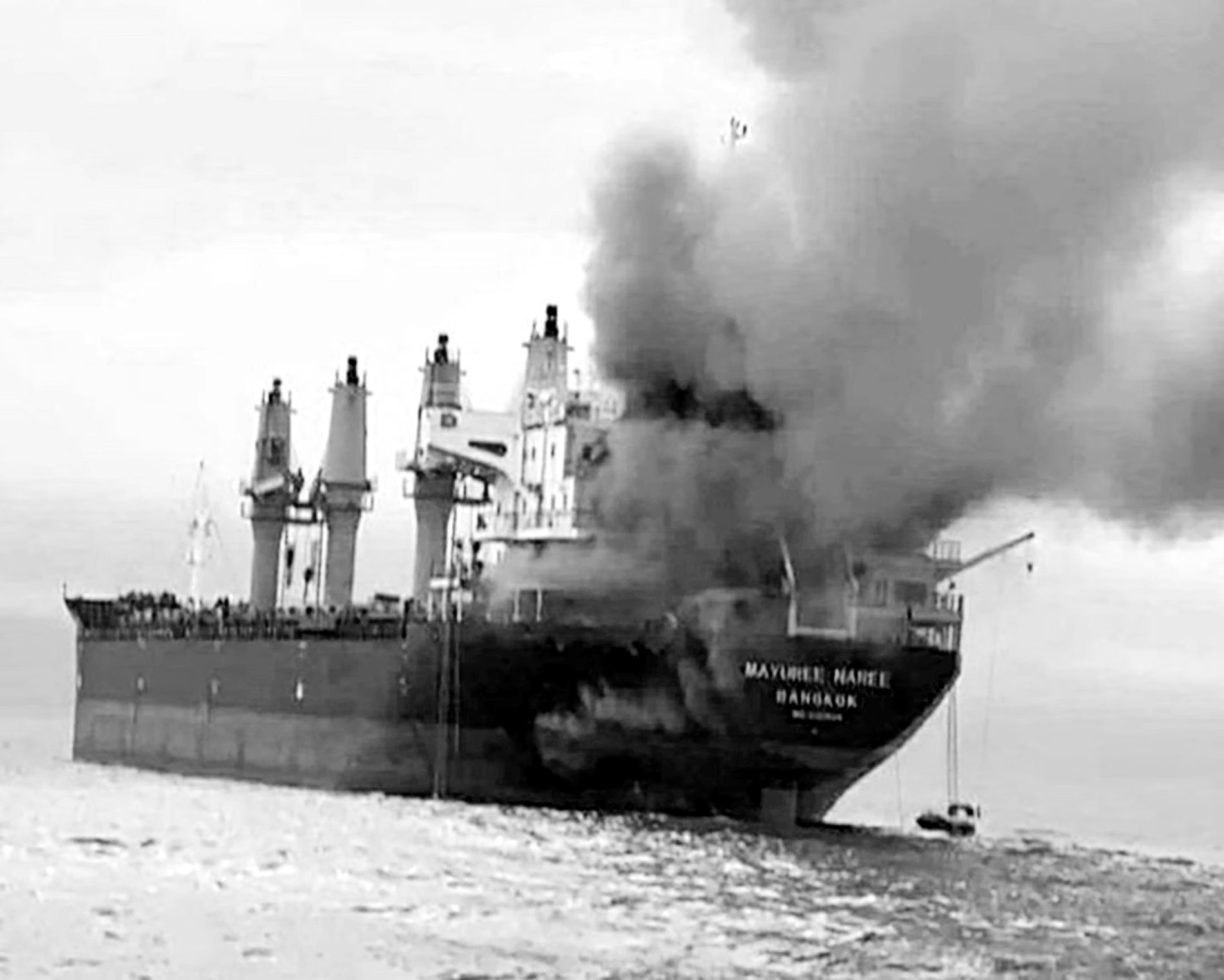
Global oil prices have climbed back above $100 per barrel after Iran intensified attacks on energy infrastructure, shipping and transport networks across the Middle East, triggering renewed fears of a major supply shock and rattling financial markets worldwide.
Energy markets shaken by escalating conflict
Oil markets reacted sharply as the international benchmark Brent crude moved back above the psychologically important $100 per barrel level in early trading. The surge followed reports of Iranian strikes targeting shipping routes, oil terminals and other strategic infrastructure across the Gulf region.
At one point during the latest spike, Brent crude rose more than 9 percent in a single session, while the US benchmark West Texas Intermediate crude approached $95 per barrel.

Energy traders said the rapid increase reflects growing concern that the conflict could significantly disrupt oil flows from the Gulf, a region responsible for a large share of global crude exports.
Several shipping incidents involving tankers in or near the Strait of Hormuz have further amplified market anxiety, with some vessels damaged and others diverting routes to avoid potential attacks.
Emergency oil reserves fail to calm markets
In an attempt to stabilise energy markets, the International Energy Agency announced a coordinated release of roughly 400 million barrels of crude from emergency strategic reserves. However, the move has so far failed to calm market fears about longer-term supply disruptions.
Energy analysts say the reserve release may only provide temporary relief if attacks on infrastructure and shipping continue. Markets remain particularly sensitive to developments around the Strait of Hormuz, one of the most critical energy chokepoints in the world.
Roughly one fifth of the world’s oil supply normally passes through the narrow waterway connecting the Persian Gulf with international markets. Any prolonged disruption could therefore have immediate and severe consequences for global energy availability and prices.
Economic pressure as part of war strategy
The escalation appears to reflect a broader strategy by Iran to apply economic pressure through energy markets while responding to ongoing military strikes from the United States and Israel.
Iranian forces have reportedly targeted shipping routes, ports and oil facilities across several Gulf states in recent days, actions that have forced some exporters to suspend or reroute shipments.
Analysts say the economic implications could extend far beyond the Middle East. Higher oil prices tend to feed directly into global inflation, increasing costs for transport, manufacturing and electricity generation.
Some economists have warned that if oil prices remain elevated for an extended period, the resulting energy shock could slow economic growth and potentially push several economies closer to recession.
Global markets brace for prolonged volatility
Financial markets worldwide are now closely monitoring developments in the Middle East conflict. Energy traders and policymakers alike are assessing whether the disruptions represent a short-term shock or the beginning of a longer period of instability in global oil supply.
Oil prices have already risen sharply since the conflict began, with Brent crude increasing by more than a third from pre-war levels amid fears that tanker traffic and energy infrastructure could remain under threat.
If the confrontation continues to escalate, analysts warn that oil prices could climb significantly higher, potentially triggering a broader wave of volatility across global financial markets.
Newshub Editorial in Asia – March 13, 2026

If you have an account with ChatGPT you get deeper explanations,
background and context related to what you are reading.
Open an account:
Open an account
Recent Comments