

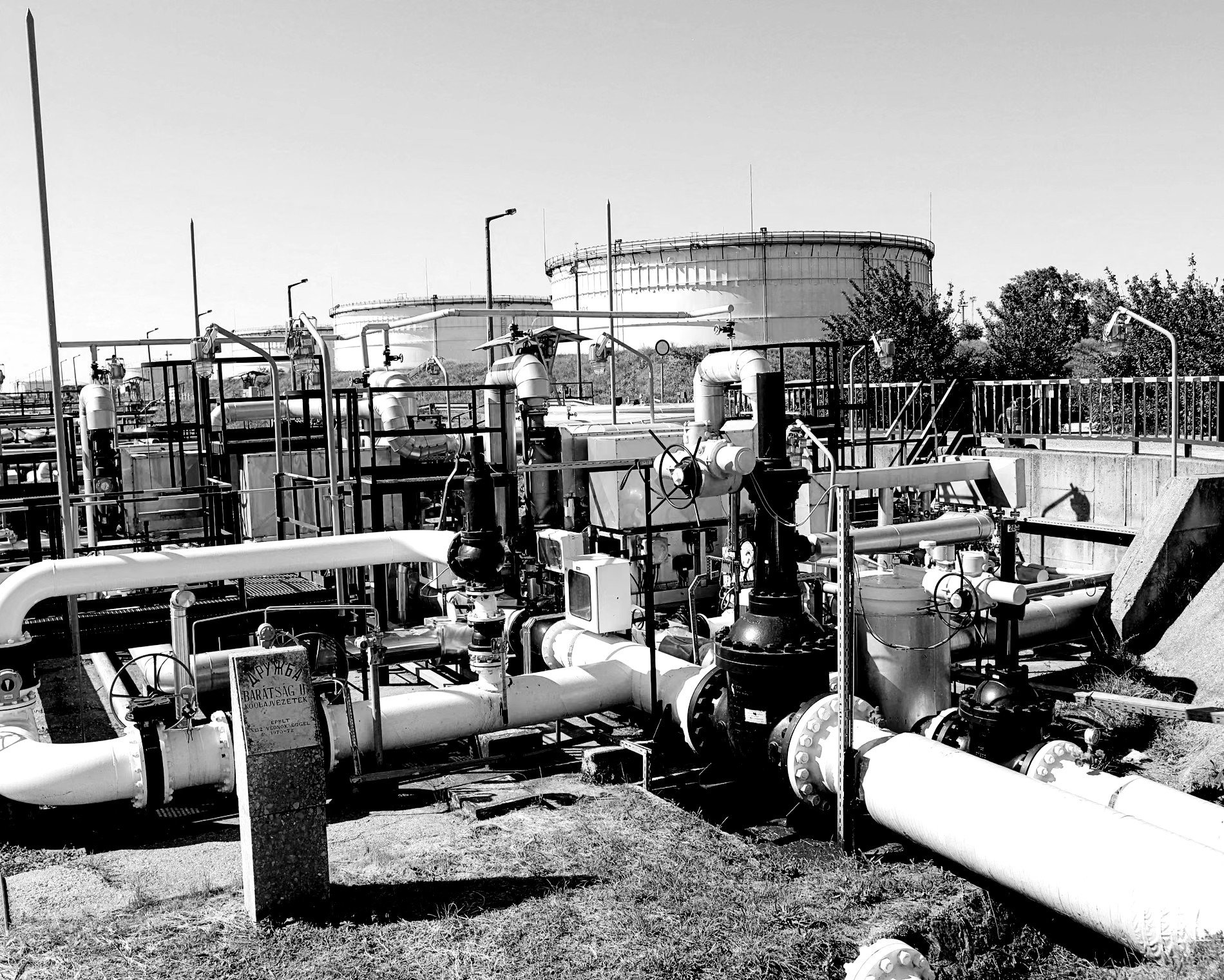
Tensions between Ukraine and Hungary have intensified over the operation of a major pipeline transporting Russian crude oil to Central Europe, highlighting growing divisions within the European energy landscape as the war with Russia continues to reshape supply routes.
Pipeline dispute strains relations
The dispute centres on the Druzhba pipeline, one of the largest oil pipeline networks in the world, which continues to transport Russian crude into several Central European countries, including Hungary. While most European Union members have moved to reduce or eliminate imports of Russian energy since the invasion of Ukraine, certain pipeline deliveries were granted exemptions due to the lack of immediate alternatives.
Hungary has remained one of the most dependent countries on Russian oil supplies through the southern branch of the Druzhba pipeline. Budapest has repeatedly argued that cutting off the flow would threaten its energy security and damage the Hungarian economy.

However, Ukrainian authorities have taken a tougher stance toward the continued transit of Russian oil across their territory, arguing that such flows undermine broader efforts to limit Russia’s ability to finance its war.
The disagreement has triggered a diplomatic row between Kyiv and Budapest, with officials from both countries exchanging increasingly sharp statements.
Energy security versus political pressure
Hungarian officials have criticised Ukraine for interfering with energy supplies that remain vital for Central Europe. The government in Budapest has warned that any disruption to the pipeline could have serious consequences for fuel markets and economic stability.
Ukraine, meanwhile, maintains that continuing to facilitate Russian energy exports indirectly supports Moscow’s war effort. Ukrainian policymakers argue that European countries should accelerate the transition away from Russian oil and gas to limit the Kremlin’s financial resources.
The pipeline dispute has therefore become a broader symbol of the difficult balancing act faced by European governments as they attempt to maintain energy stability while also supporting Ukraine politically and economically.
A fault line inside Europe
The conflict has also exposed divisions within the European Union. Some EU members have pushed for stricter measures to eliminate remaining imports of Russian energy, while others — particularly those with limited alternative supply routes — have urged a more gradual approach.
Hungary has frequently taken a more cautious position within EU energy policy debates, emphasising national energy security and affordability. This stance has occasionally placed Budapest at odds with both Brussels and Kyiv.
Energy analysts say the dispute reflects the lingering influence of Soviet-era infrastructure that continues to shape European energy flows decades after the Cold War.
The Druzhba pipeline network, originally constructed in the 1960s, still carries significant volumes of oil from Russia into parts of Central Europe. Replacing this infrastructure with alternative supply routes requires major investments in pipelines, ports and refinery upgrades.
Broader implications for European energy policy
The latest diplomatic clash underscores the ongoing challenge facing Europe as it attempts to redesign its energy system amid geopolitical tensions. While many countries have reduced their reliance on Russian fossil fuels, complete independence remains difficult for certain landlocked economies.
As the dispute continues, European leaders may face renewed pressure to accelerate investments in alternative supply routes, renewable energy and regional infrastructure designed to reduce vulnerability to geopolitical shocks.
For now, the pipeline remains operational, but the escalating row between Kyiv and Budapest highlights the fragile balance between energy security, political alliances and the economic realities shaping Europe’s energy transition.
Newshub Editorial in Europe – March 13, 2026

If you have an account with ChatGPT you get deeper explanations,
background and context related to what you are reading.
Open an account:
Open an account
Recent Comments