
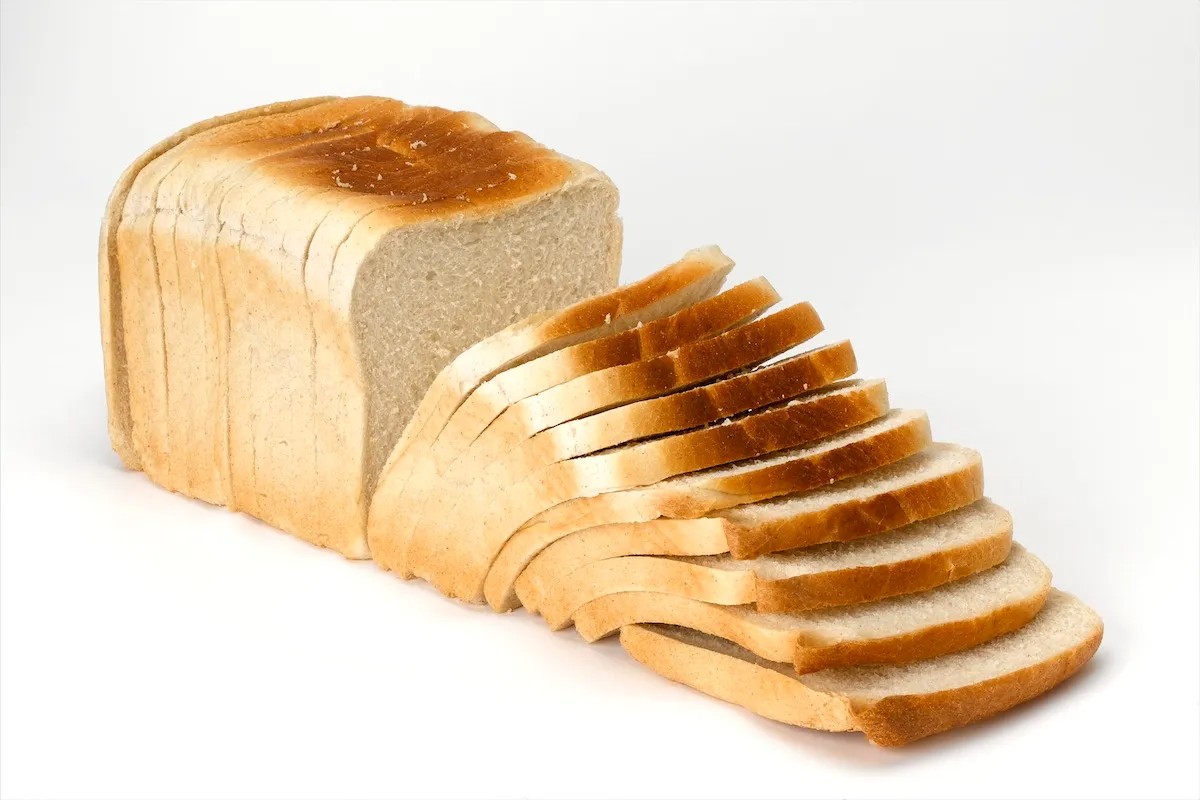
On 7th July 1928, the Chillicothe Baking Company in Missouri made history by selling the world’s first commercially sliced bread. What seemed like a simple convenience would revolutionise how people consumed one of humanity’s most basic foods and spawn a phrase that endures nearly a century later.
The mastermind behind this culinary breakthrough was Otto Frederick Rohwedder, an Iowa-born jeweller turned inventor who had been working on his bread-slicing machine since 1912. Rohwedder faced considerable scepticism from bakers who worried that pre-sliced bread would go stale too quickly and lose its appeal to customers.
For sixteen years, Rohwedder refined his invention, overcoming technical challenges and bakery resistance. His machine didn’t just slice bread—it wrapped it immediately to preserve freshness, addressing the primary concern of commercial bakers. The Chillicothe Baking Company, run by Frank Bench, became the first to take a chance on this revolutionary technology.

The timing proved perfect. America in 1928 was experiencing unprecedented prosperity during the Roaring Twenties. Households were embracing labour-saving devices, and the concept of convenience foods was gaining traction. Women were increasingly joining the workforce, creating demand for products that simplified meal preparation.
The sliced bread was marketed as “Kleen Maid Sliced Bread,” and its success was immediate and overwhelming. Sales at Chillicothe Baking Company increased by 2,000% within just two weeks of launch. The uniform slices made it perfect for the newly popular electric toasters that were becoming standard in American kitchens.
Other bakeries quickly recognised the potential. By 1930, Wonder Bread had adopted the technology, and their aggressive marketing campaigns helped establish sliced bread as the new standard. The phrase “the greatest thing since sliced bread” emerged in the 1940s, cementing the product’s place in American culture as the benchmark for innovation and convenience.
The impact extended far beyond breakfast tables. Sliced bread represented the industrialisation of food production and the beginning of the modern convenience food era. It demonstrated how a simple technological innovation could transform an entire industry and change consumer behaviour permanently.
Rohwedder’s invention also influenced sandwich culture. Uniform slices meant consistent sandwich construction, contributing to the popularity of packed lunches and the eventual rise of fast food. The standardisation made bread more suitable for mass production and distribution, supporting the growth of national bakery chains.
Interestingly, sliced bread was temporarily banned in the United States during World War II as part of wartime conservation efforts. The ban lasted only three months in 1943 before public outcry forced its reversal, proving just how essential this “convenience” had become to American life.
Today, as we debate the merits of artisanal versus mass-produced foods, Rohwedder’s invention remains a perfect example of how innovation can transform the mundane into the indispensable. That July morning in Missouri didn’t just change breakfast—it changed how we think about convenience, efficiency, and the very nature of daily life.
REFH – newshub finance
Recent Comments