
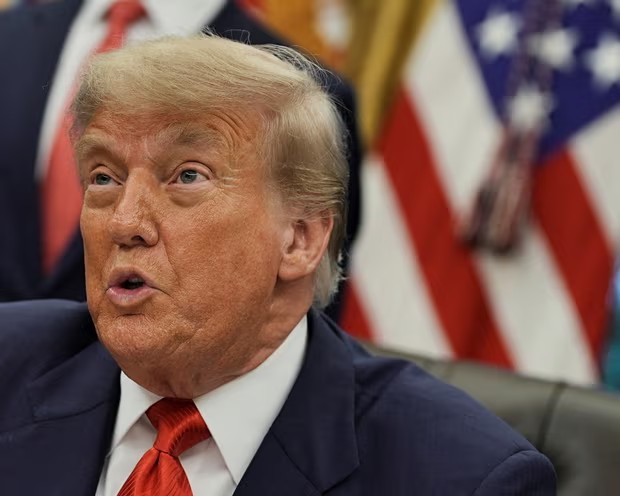
In a landmark decision, the United States Senate today approved Donald Trump’s signature legislation, widely known as the “Big Beautiful Bill”, marking a pivotal moment in the former president’s post-term legislative influence. The vote passed by a narrow margin after a marathon session of amendments and late-night wrangling that exposed sharp partisan lines across the chamber.
Republican lawmakers hailed the bill as a transformative package that “delivers for American families”, while Democrats slammed it as a rushed, ideologically loaded attempt to roll back regulatory oversight, reshape federal spending, and cement Trump’s legacy through sweeping infrastructure and security provisions.
The bill, over 800 pages long, includes funding allocations for border reinforcements, tax incentives for domestic manufacturing, and substantial rollbacks of environmental protections. It also controversially reallocates federal education grants in favour of private institutions and charter schools — a clause critics say will “undermine public education for decades.”

Despite the dramatic theatrics leading up to the final tally, Trump allies celebrated the passage as a vindication of his political comeback tour, with Senator Marco Rubio calling it “a victory for working Americans, and a rebuke to Washington’s bureaucracy.” Meanwhile, Senator Elizabeth Warren called the bill “a handout to special interests wrapped in the flag.”
Outside the Senate chamber, protests unfolded throughout the day, with demonstrators voicing anger over the bill’s perceived favouritism towards corporations and its impact on climate policy. Several activist groups vowed legal challenges, and at least two state governors announced plans to oppose implementation measures through executive resistance.
The bill now moves to the House of Representatives, where it faces an equally fierce debate. While Republicans hold a narrow majority, a handful of moderate conservatives have expressed doubts about certain fiscal clauses. However, should the House also approve the measure, it would be one of the most significant legislative wins for Trump-aligned Republicans since his presidency.
Analysts are already projecting ripple effects through the upcoming election cycle. Trump, who has not ruled out a third run, is expected to campaign on the bill as proof of his enduring power and policy vision. Critics argue, however, that the vote exposes a deepening fault line in American democracy — not just between parties, but within them.
— REFH, newshub finance
Recent Comments