
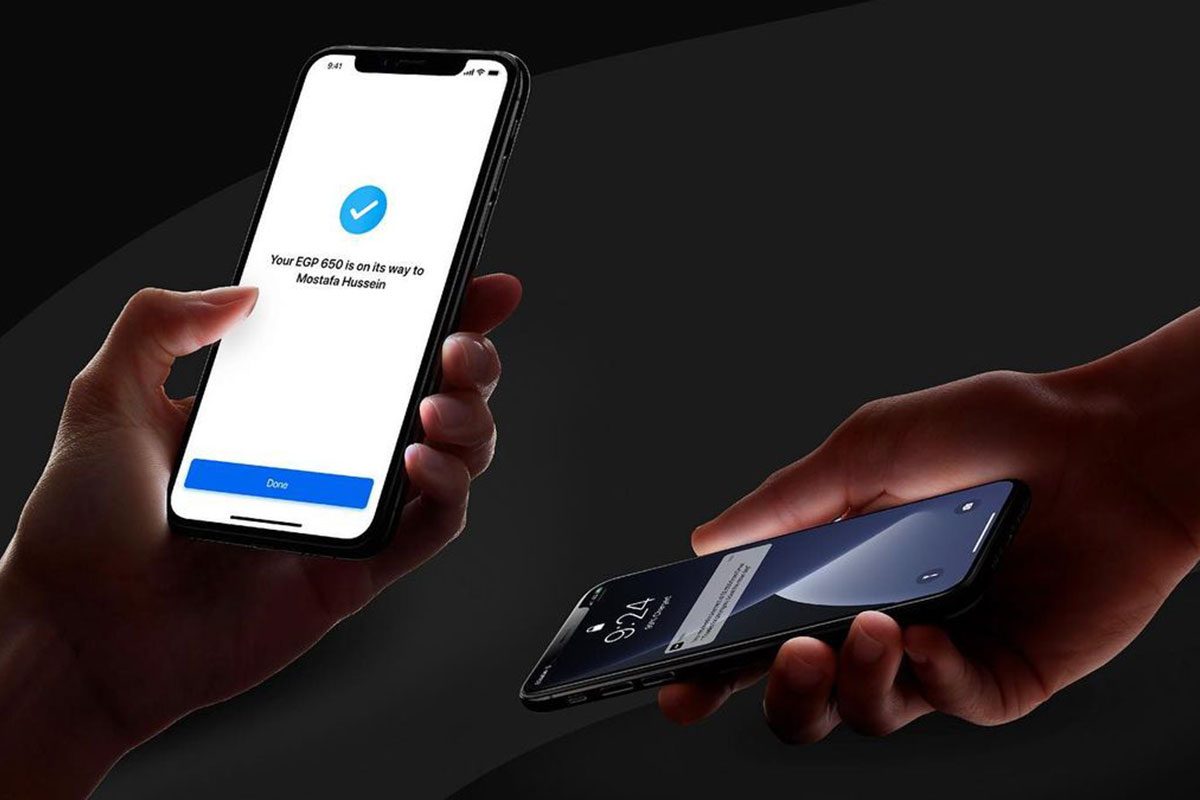
The business of banking is changing rapidly. Products and services rendered and built on disruptive technologies are increasingly being placed in the hands of end customers, and the behaviours of banks are changing in terms of customer convenience, transparency, pricing and customer service. As customers’ behaviours and expectations change, so do the business and operational models.
Every part of the banking value chain – from what consumers can avail and expect in terms of banking services – can now be accessed by a non-banking service provider through its technological prowess and agile and lean business models. Under these models, retail and small and medium enterprises (SME) banking services are primarily delivered through the Internet or other forms of electronic channels instead of physical branches. These non-banking service providers are called neobanks and they are challenging the present status of traditional banks, by offering lower-cost models and hyper-distinctive customer-centric service and experiences. Unlike their traditional counterparts, neobanks aren’t constrained by legacy systems, tightly integrated value chains, complex administrative structures and lofty regulatory requirements. Though neobanks don’t have their own bank licences in India yet, they use partners to offer bank-licensed services.
The convenience of opening and operating accounts, seamless payments, transfer and remittance solutions and alternative methods for assessing creditworthiness are some of the features that are attractive to micro and small companies and underbanked or unbanked customers such as freelancers and gig economy employees. Neobanks have provided these segments access to financial services and products, which were either scarcely available or come with heavy fees and stringent agreements.


Digital banks vs neobanks
A digital bank and a neobank aren’t quite the same, even though they appear to be based on the mobile-first approach and emphasis on digital operating models. While the terms are sometimes used mutually, digital banks are often the online-only subsidiary of an established and regulated player in the banking sector, A neobank, on the other hand, exists solely online — without any physical branches and independently or in partnership with traditional banks. This enables them to navigate and comply with the regulatory environment.
Source: pwc
The business of banking is changing rapidly. Products and services rendered and built on disruptive technologies are increasingly being placed in the hands of end customers, and the behaviours of banks are changing in terms of customer convenience, transparency, pricing and customer service. As customers’ behaviours and expectations change, so do the business and operational models.
Recent Comments