
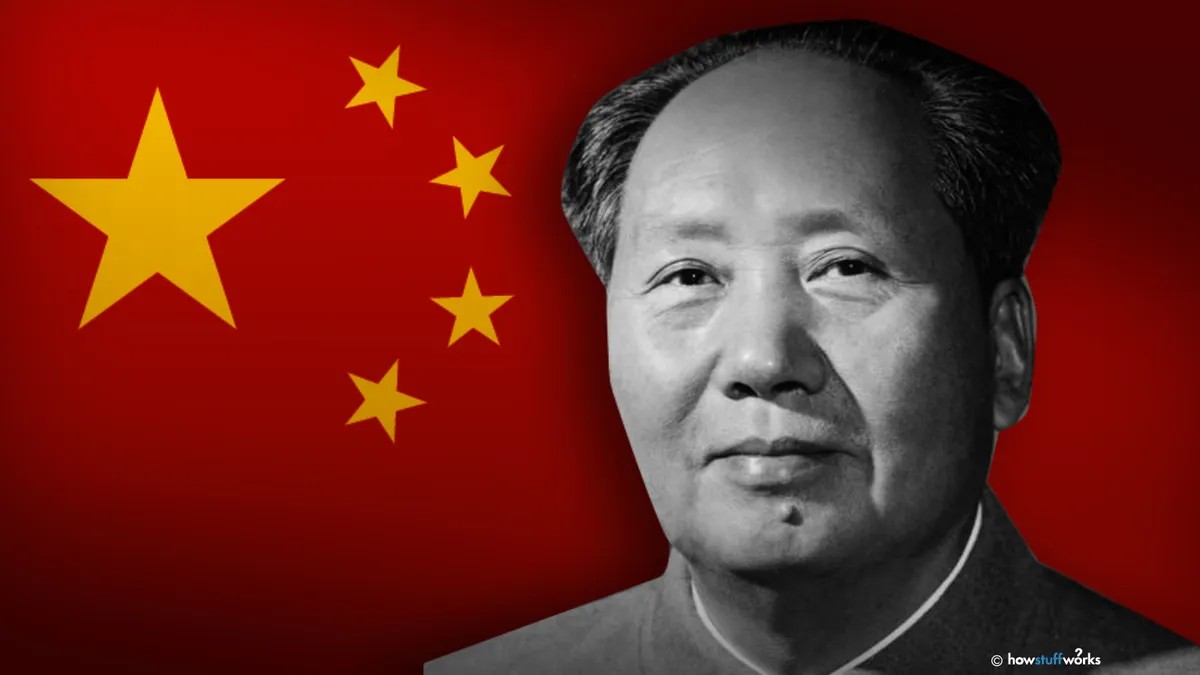
Mao Zedong, one of the most influential figures of the 20th century, left a complex and controversial legacy that continues to shape China and the world today. Born in 1893, Mao rose to prominence as a leader of the Chinese Communist Party and played a pivotal role in the founding of the People’s Republic of China in 1949.
Mao’s early years were marked by poverty and political turmoil, which fueled his revolutionary fervor. He advocated for agrarian reform, women’s rights, and the overthrow of the Nationalist government led by Chiang Kai-shek. The Long March, a grueling retreat of communist forces, solidified his leadership within the party.
Upon seizing power, Mao initiated sweeping changes. Land was redistributed to peasants, and industrialization was prioritized through campaigns like the Great Leap Forward. However, these policies often led to economic mismanagement and widespread suffering, resulting in a devastating famine that claimed millions of lives.


Mao’s greatest and darkest legacy is the Cultural Revolution (1966-1976). He mobilized young radicals to purge perceived enemies of the communist ideology. This tumultuous decade unleashed chaos, with schools and institutions shut down, intellectuals persecuted, and a pervasive cult of personality surrounding Mao.
Despite these dark chapters, Mao’s leadership also brought about some positive changes. He unified a fractured nation, granting peasants land rights, and empowering women in unprecedented ways. His vision for China’s self-reliance laid the foundation for the country’s rapid economic growth decades later.
Mao’s death in 1976 marked the end of an era, but his influence remains palpable in China’s one-party rule, socialist principles, and reverence for communist ideals. Modern China is a vastly different place, with a thriving economy and global stature, yet the specter of Mao continues to loom large.
In summary, Mao Zedong was a complex figure whose legacy is characterized by both monumental achievements and catastrophic failures. He transformed China but at a tremendous human cost. His leadership, marked by idealism and ruthlessness, continues to shape the nation’s trajectory and serves as a reminder of the enduring power of charismatic leaders in history.
newshub
Mao Zedong, one of the most influential figures of the 20th century, left a complex and controversial legacy that continues to shape China and the world today. Born in 1893, Mao rose to prominence as a leader of the Chinese Communist Party and played a pivotal role in the founding of the People's Republic of China in 1949.
Recent Comments