
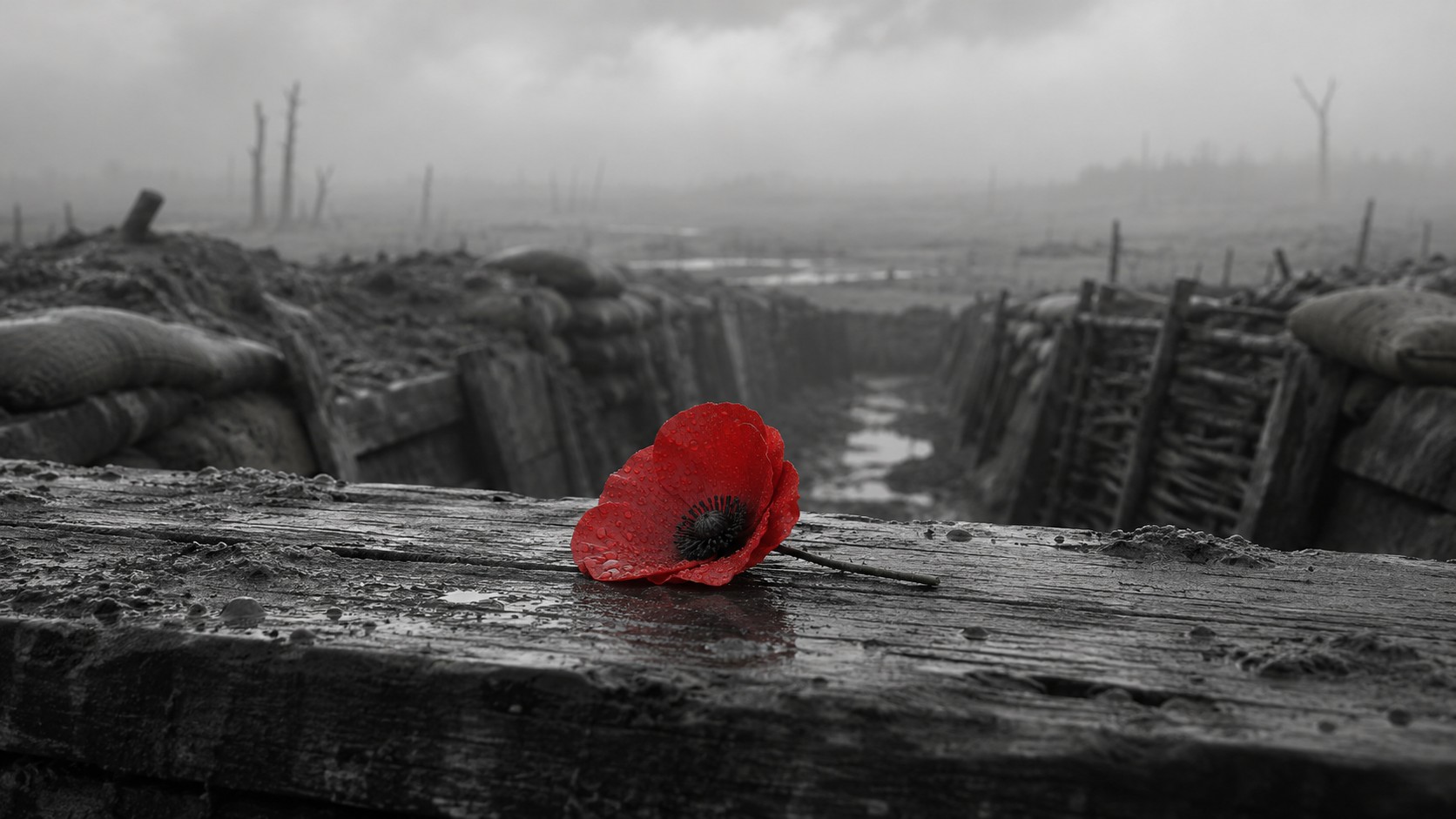
At 11am on 11 November 1918, an armistice between Germany and the Allies took effect, ending more than four years of fighting on the Western Front. The agreement had been signed hours earlier in a railway carriage in the Compiègne forest, north-east of Paris. Its timing would shape how Britain and other countries remember the dead of the First World War.
The negotiations in Compiègne
A German delegation crossed the front line on 7 November and was taken to a secluded railway siding, where it met the Allied commander-in-chief, French Marshal Ferdinand Foch. Germany’s military position had deteriorated rapidly. Allied forces were pushing its army back, while Bulgaria, the Ottoman Empire and Austria-Hungary had already agreed to stop fighting. At home, food shortages and military mutinies intensified the political crisis that brought down Kaiser Wilhelm II’s government.
Matthias Erzberger, a civilian politician who led the German delegation, signed the agreement in the early hours of 11 November. The terms required German forces to withdraw from occupied territory and surrender large quantities of military equipment. Fighting continued during the hours between the signing and the ceasefire, and soldiers were killed on the final morning.


From ceasefire to peace treaty
The armistice was initially set to last 36 days and was extended while the Allies negotiated the peace settlement. The Treaty of Versailles was signed on 28 June 1919 and came into force in January 1920. Its terms imposed military restrictions and reparations obligations on Germany.
Why the hour still matters
On the first anniversary of the armistice, ceremonies in several Allied countries marked the hour when the fighting had stopped. In Britain, the two-minute silence at 11am on 11 November became a lasting part of Armistice Day. Remembrance Sunday, observed separately, now honours those who died in the two world wars and in later conflicts.
NewsHub Finance | History | 11 November 2026
At 11am on 11 November 1918, an armistice between Germany and the Allies took effect, ending more than four years of fighting on the Western Front. The agreement had been signed hours earlier in a railway carriage in the Compiègne forest, north-east of Paris. Its timing would shape how Britain and other countries remember the dead of the First World War.

Recent Comments