
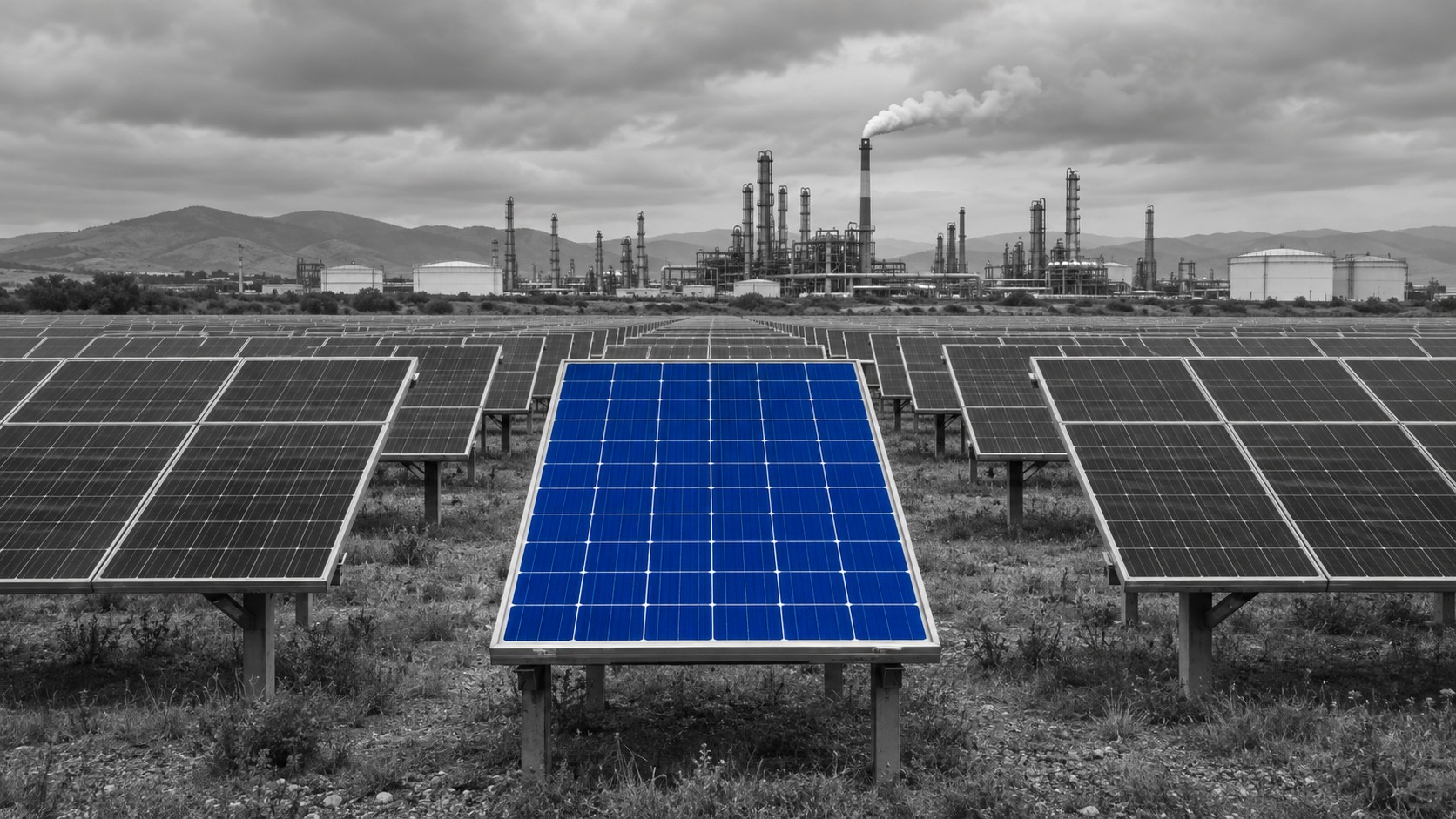
Global carbon dioxide emissions from fossil fuels and cement are projected to fall by 0.4% in 2026 as the war in Iran disrupts oil supplies and solar and wind generation continue to expand. Researchers presenting the findings at the COP31 climate talks in Antalya, Turkey, warned that the small decline could be temporary. Total carbon dioxide emissions are still expected to rise once changes in land use are included.
Oil accounts for the largest decline
The Global Carbon Project estimates that fossil fuel and cement emissions will reach 38.2 billion tonnes of carbon dioxide this year. Oil-related emissions are projected to fall by 1.9%, as disruptions to supplies through the Strait of Hormuz pushed up prices and curbed fuel use. Natural gas emissions are forecast to fall by 0.3%, while coal emissions are expected to rise by 0.6%.
The picture varies across major economies. US fossil emissions are projected to fall by 1.3%, mainly because of lower coal use. European Union emissions are forecast to fall by 1.5%, while India’s are expected to rise by 4.4%, driven largely by increased coal use.


Clean energy meets most of the growth in demand
Global energy demand is still rising. The researchers estimate that increased solar and wind generation and wider adoption of electric vehicles together account for about two-thirds of the growth. They caution that clean energy is still expanding too slowly to put global fossil emissions on a sustained downward path. Some of this year’s reduction in oil use could be reversed if supplies recover and prices fall.
Land-use emissions offset the fossil fuel decline
Emissions from land-use change, including deforestation, are projected to reach 5.1 billion tonnes this year. That increase outweighs the fall from fossil fuels, bringing projected total carbon dioxide emissions to 43.3 billion tonnes, up from 42.8 billion in 2025. The figures presented at COP31 therefore show a modest easing in fossil emissions alongside a continued rise in the overall total.
Newshub Editorial in Asia – 10 November 2026
Global carbon dioxide emissions from fossil fuels and cement are projected to fall by 0.4% in 2026 as the war in Iran disrupts oil supplies and solar and wind generation continue to expand. Researchers presenting the findings at the COP31 climate talks in Antalya, Turkey, warned that the small decline could be temporary. Total carbon dioxide emissions are still expected to rise once changes in land use are included.

Recent Comments