
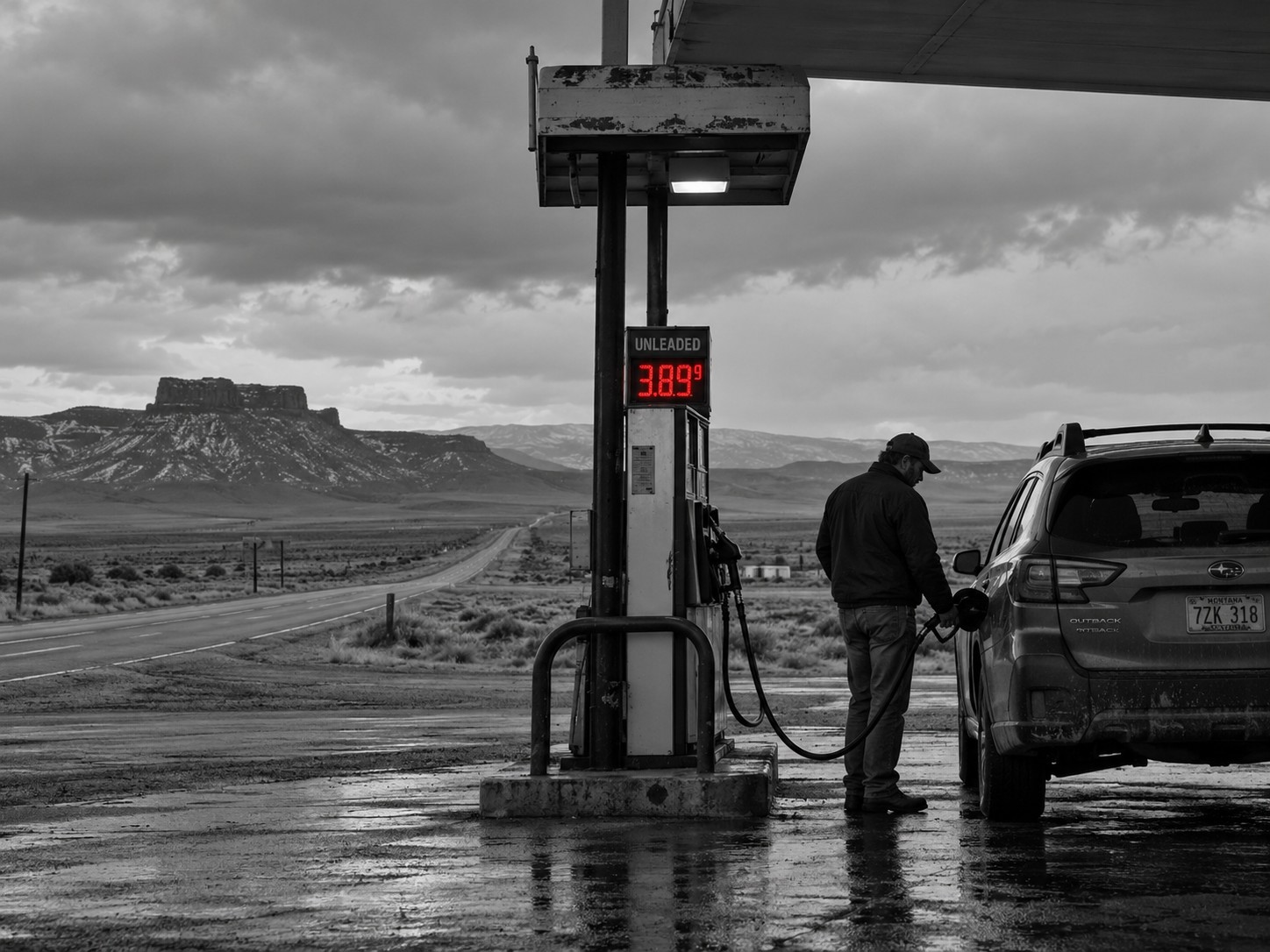
President Donald Trump has sparked fresh controversy after boasting that the United States is making a fortune from high oil prices, even as millions of American households struggle with rising fuel costs. Speaking at a Republican campaign rally in Georgia on Saturday, Trump celebrated the enormous revenues flowing into the American oil and gas industry, highlighting a growing contradiction between corporate profits and the financial pressures facing ordinary consumers.
‘We’re making a fortune’
Addressing supporters ahead of November’s midterm elections, Trump declared that the American energy industry was generating hundreds of billions of dollars.


“The United States oil and gas business is making hundreds of billions of dollars,” he told the crowd.
Trump acknowledged that advisers had warned him against making the remarks, apparently concerned that celebrating high energy prices could alienate voters struggling to afford petrol.
Nevertheless, he repeated his argument that elevated oil prices were delivering substantial economic benefits to American producers.
Oil reaches six-month high
His comments came as global oil prices climbed to their highest levels in nearly six months.
Brent crude, the international benchmark, closed Friday at approximately $116.72 per barrel, while US West Texas Intermediate reached $103.27.
Escalating tensions in the Middle East, attacks on energy infrastructure and concerns over supply disruptions have contributed to the sharp increase.
Higher crude prices can generate substantial additional revenue for oil-producing companies and energy-exporting regions. However, those benefits are unevenly distributed across the economy.
American families pay the price
For households, the consequences are considerably less encouraging.
According to the American Automobile Association, the national average price of regular petrol stood at approximately $4.30 per gallon over the weekend, significantly above levels recorded a year earlier.
Higher fuel prices affect far more than motorists. Transport costs feed into food prices, distribution expenses and the wider cost of living.
While energy producers may enjoy stronger revenues, consumers face reduced purchasing power as more household income is absorbed by essential expenses.
A political contradiction ahead of the midterms
Trump has repeatedly promoted American energy dominance as a cornerstone of his economic strategy, arguing that the country’s vast oil and gas resources provide a competitive advantage.
Yet being a major energy producer does not protect American consumers from internationally determined oil prices.
The distinction between corporate revenue and household prosperity has become increasingly politically sensitive.
Democrats have criticised the administration’s handling of energy costs, while some Republicans are concerned that the continued pressure on household budgets could damage their electoral prospects.
Who is really benefiting?
Trump’s remarks expose a fundamental tension within the American energy economy.
Higher oil prices can strengthen company earnings, support employment in producing regions and generate additional tax revenues. At the same time, they increase costs for households and businesses across the country.
With the November elections approaching, the president faces a difficult political question: whether voters will accept the industry’s financial success as evidence of national prosperity when their own living expenses continue to rise.
For millions of Americans filling their vehicles at the pump, the benefits of the oil industry’s extraordinary revenues may seem increasingly distant.
NewsHub Finance | US Politics & Energy | 25 October 2026
President Donald Trump has sparked fresh controversy after boasting that the United States is making a fortune from high oil prices, even as millions of American households struggle with rising fuel costs. Speaking at a Republican campaign rally in Georgia on Saturday, Trump celebrated the enormous revenues flowing into the American oil and gas industry, highlighting a growing contradiction between corporate profits and the financial pressures facing ordinary consumers.

Recent Comments