
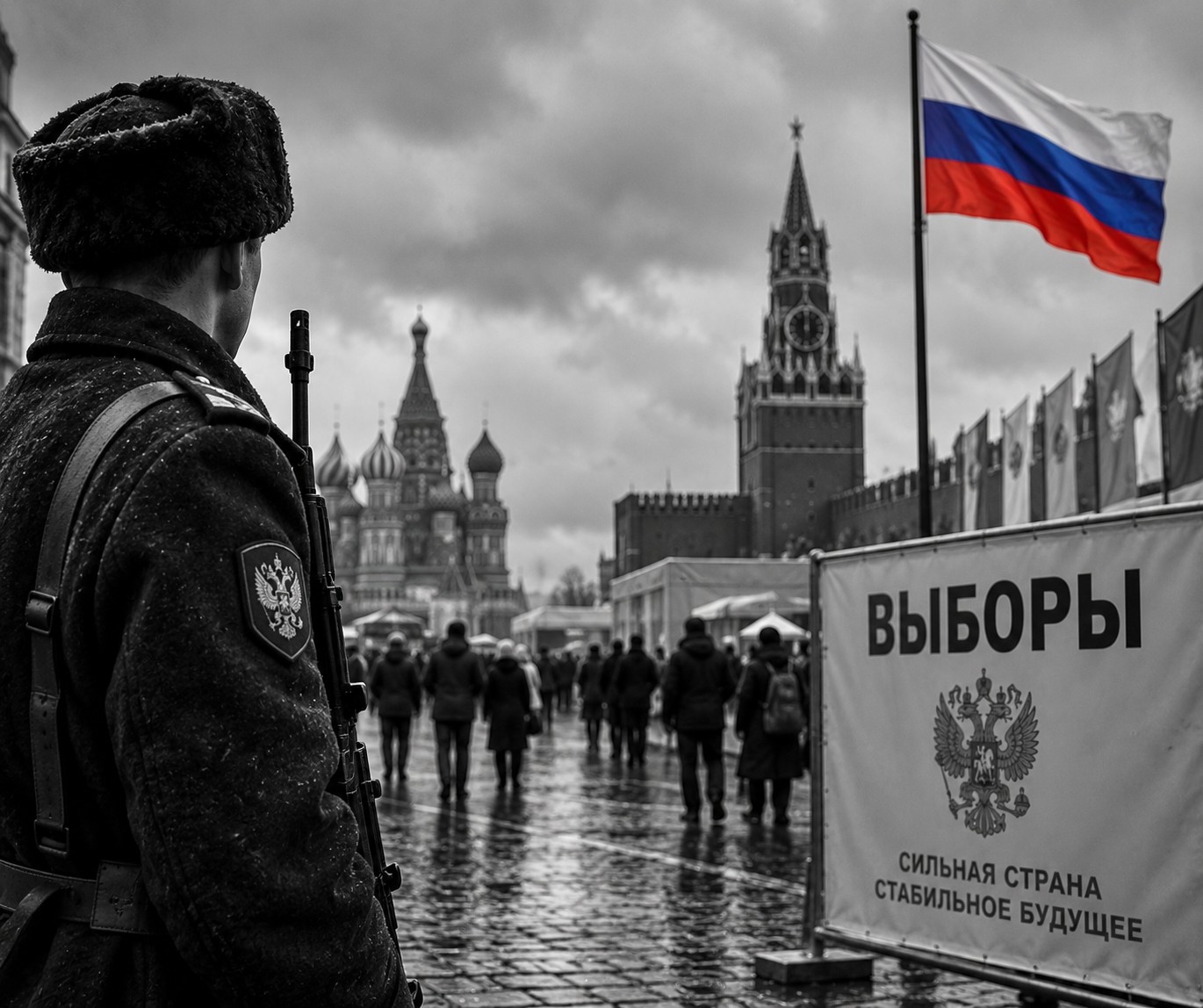
Russia is preparing its largest defence budget since the full-scale invasion of Ukraine began. But when Moscow’s plans are compared with the United States, Europe, China and India, a much larger story emerges: the world is entering a new era of military spending.
Russia raises defence spending
Russia plans to spend approximately 17.1 trillion roubles, or around $203 billion, on defence in 2027, according to government documents reviewed by Reuters. The figure is around 27% higher than previously planned and would represent Russia’s largest military budget since the full-scale invasion of Ukraine began in 2022.
The increase comes despite growing pressure on Russia’s public finances. The government expects its budget deficit to reach approximately 3.2% of GDP in 2026, while forecasts for oil and gas revenues have been reduced and government borrowing is increasing.

Russia nevertheless intends to maintain its military focus, with around 50 trillion roubles of defence spending planned over the next three years.
The global spending hierarchy
Russia’s planned figure is substantial, but it remains far below the United States. Washington’s proposed FY2027 budget includes more than $1.5 trillion in total national defence funding, including approximately $1.45 trillion for the Department of War.
Europe is also accelerating. EU member states are expected to spend approximately €454 billion on defence in 2026, an increase of 8.6% in one year and 75.3% compared with 2021. With further increases being pursued, total European defence spending could move towards $550–600 billion in 2027.
China approved approximately $277 billion in military spending for 2026, an increase of 7%. If Beijing maintains a similar pace, its defence budget could approach $300 billion next year.
India is expanding as well. New Delhi has allocated a record ₹7.85 lakh crore to its Ministry of Defence for the 2026–27 financial year, representing an increase of more than 15% compared with the previous budget estimate.
A new era of rearmament
The figures point to a global rearmament cycle involving conventional forces, missiles, drones, cybersecurity, artificial intelligence and advanced weapons systems.
The consequences will extend beyond the battlefield. Governments will increasingly have to balance military security against spending on infrastructure, healthcare, education and economic development.
Russia crossing the $200 billion threshold is significant. But the broader transformation is much larger. The United States, Europe, China, India and Russia are all increasing military expenditure at the same time.
The arms race is no longer confined to one conflict or one region. It is becoming global.
Russia is preparing its largest defence budget since the full-scale invasion of Ukraine began. But when Moscow’s plans are compared with the United States, Europe, China and India, a much larger story emerges: the world is entering a new era of military spending.
Recent Comments