
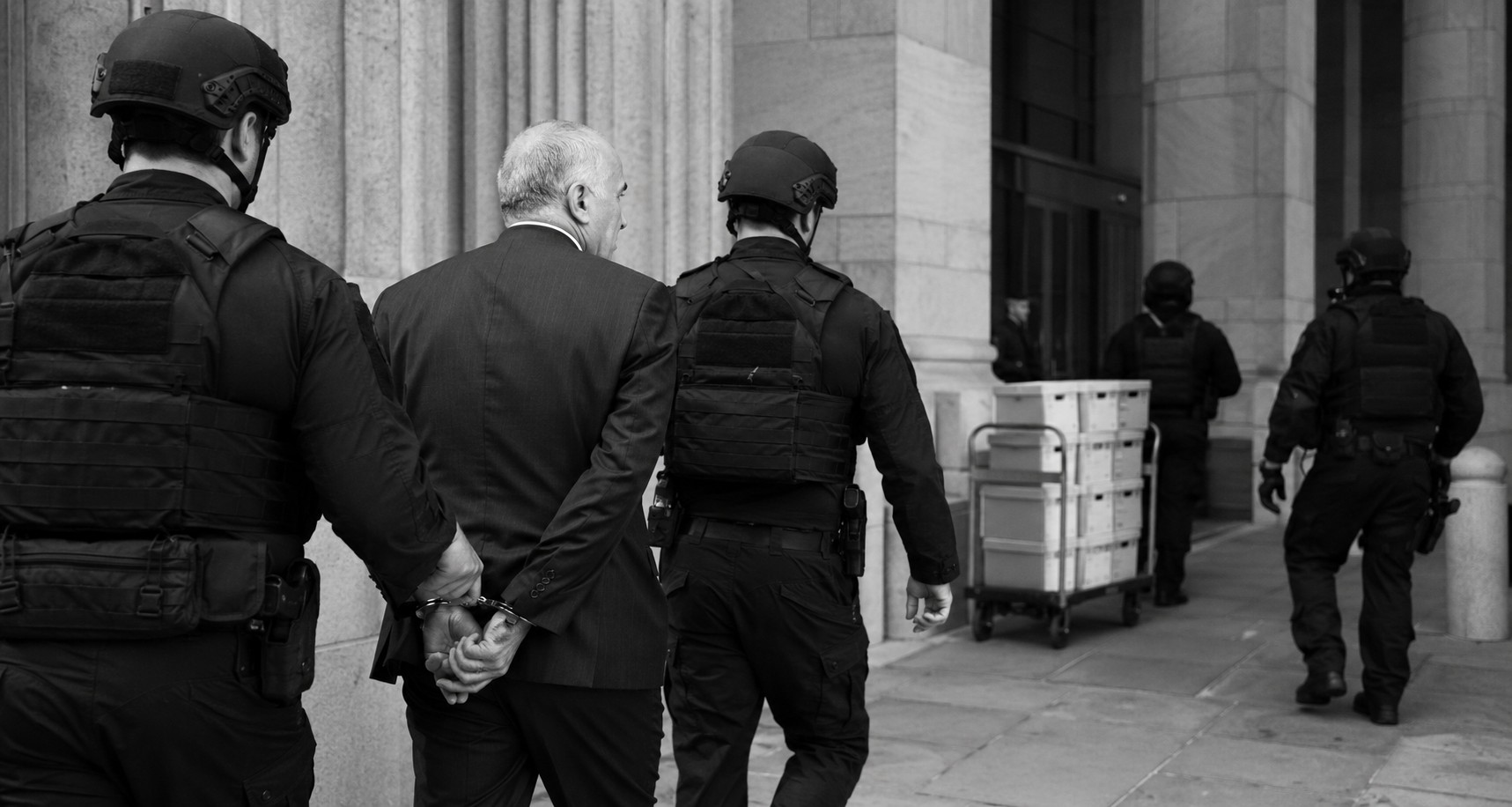
Ismael “El Mayo” Zambada, the co-founder and long-time strategist of Mexico’s Sinaloa cartel, is set to receive a life sentence in a United States federal court and be ordered to forfeit $15 billion in criminal proceeds. The judgment represents one of the largest forfeiture orders in US history, although prosecutors may recover only a fraction of the amount.
Decades at the cartel’s centre
Zambada, 76, helped establish the Sinaloa cartel with Joaquín “El Chapo” Guzmán during the late 1980s. While Guzmán became internationally known through prison escapes and a highly publicised trial, Zambada maintained a lower profile and avoided capture for decades.
US prosecutors described him as the cartel’s principal strategist and an active manager of its daily operations. He oversaw a criminal organisation that transported cocaine, heroin, methamphetamine and fentanyl into the United States through tunnels, vehicles, aircraft, trains and maritime routes.

Zambada admitted responsibility for trafficking more than 1.5 million kilograms of cocaine, alongside enormous quantities of other drugs. He also acknowledged using violence, ordering killings and operating an extensive corruption network involving police officers, military personnel and public officials in Mexico.
Guilty plea avoids trial
Zambada pleaded guilty in August 2025 to leading a continuing criminal enterprise and participating in a racketeering conspiracy. The plea avoided a lengthy trial that could have revealed further details about the cartel’s political protection, finances and internal structure.
The United States had previously decided not to seek the death penalty. A conviction for leading a continuing criminal enterprise nevertheless carries a mandatory life sentence.
The $15 billion forfeiture figure is intended to represent proceeds generated through Zambada’s criminal operations. It gives US authorities the legal power to pursue identified assets, but does not mean that the entire sum has been located or can be collected.
Cartel wealth is frequently concealed through cash holdings, property, front companies and financial networks spread across several jurisdictions. Investigators may therefore face substantial difficulty connecting assets directly to Zambada.
Disputed journey to the United States
Zambada was taken into custody in Texas in July 2024 after arriving in a private aircraft with Joaquín Guzmán López, one of El Chapo’s sons. Zambada said he had been abducted in Mexico, forced on to the aircraft and delivered to US authorities without his knowledge.
The circumstances of the flight created diplomatic tension and prompted Mexican authorities to investigate whether laws governing arrest and extradition had been bypassed.
His arrival also triggered a violent struggle between rival Sinaloa cartel factions. Groups loyal to Zambada fought forces connected to El Chapo’s sons, contributing to extensive bloodshed and instability in the state of Sinaloa.
Defence seeks medical placement
Zambada’s lawyers have asked that he serve his sentence in a federal medical facility, citing his age and health. They have emphasised his guilty plea and behaviour in custody while arguing against placement in the highly restrictive Supermax prison system.
Prosecutors maintain that his history, influence and security risk justify strict conditions. El Chapo is already serving life plus 30 years at the federal Supermax facility in Colorado after being convicted in 2019.
Zambada’s sentencing removes another figure from the cartel’s founding generation. However, the organisation’s decentralised structure and continuing factional conflict mean that his imprisonment is unlikely to end its influence over the international narcotics trade.
Newshub Editorial in North America – 20 July 2026

Ask NF GPT
If you have an account with ChatGPT you get deeper explanations,
background and context related to what you are reading.
Recent Comments