
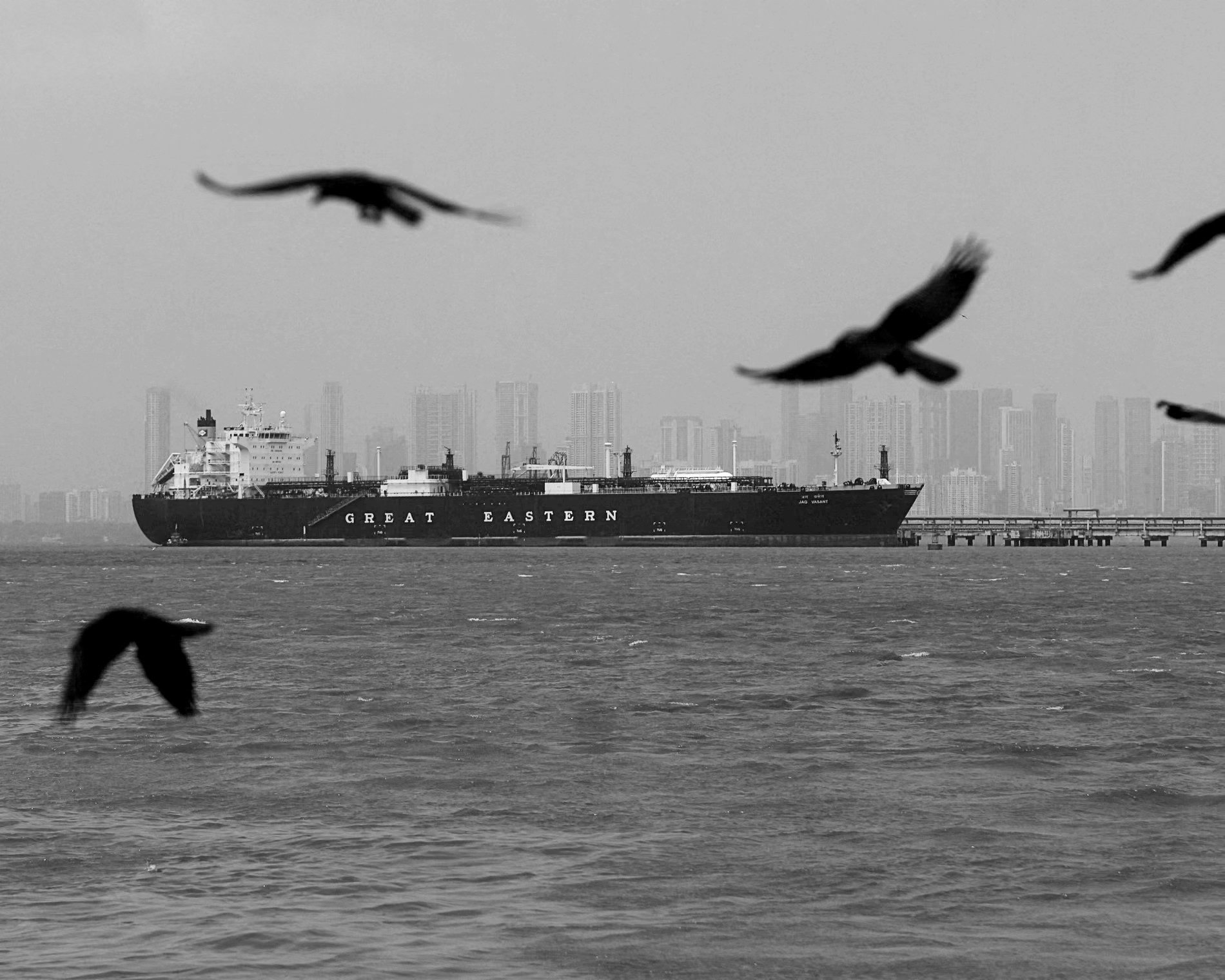
US President Donald Trump has again threatened to target Iran’s power plants and bridges if Tehran fails to reach an agreement over the Strait of Hormuz, raising fears of another sharp escalation in a conflict that continues to unsettle global energy markets. The latest warning comes as negotiations remain stalled and both sides exchange military strikes while international efforts to revive diplomacy struggle to gain momentum.
Pressure intensifies over strategic waterway
The Strait of Hormuz remains one of the world’s most critical maritime chokepoints, carrying roughly one-fifth of global oil and liquefied natural gas shipments. Recent attacks on commercial vessels, renewed US military operations and Iran’s continued threats to disrupt shipping have significantly increased tensions throughout the Gulf region. Washington argues that freedom of navigation must be restored, while Tehran insists that external military pressure is undermining prospects for any negotiated settlement.
Trump raises the stakes
In a televised interview, Trump said the United States would be prepared to “knock out” Iran’s power plants and bridges next week unless Tehran agrees to a deal. The comments revive earlier threats made during the conflict but now come against the backdrop of renewed fighting following the collapse of the previous ceasefire arrangements. The White House maintains that increased military pressure is intended to force Iran back to negotiations, while Iranian officials have condemned the threats and warned of further retaliation should critical infrastructure be targeted.

Markets remain focused on energy risks
Financial markets continue to monitor developments closely, with energy traders particularly sensitive to any disruption affecting the Strait of Hormuz. Oil prices have experienced heightened volatility in recent weeks as shipping activity declined and insurers reassessed risks for vessels operating in the Gulf. Although diplomatic channels remain open through regional intermediaries, analysts believe the possibility of further military escalation continues to represent one of the largest geopolitical risks facing global markets. Any prolonged disruption to energy exports could have significant implications for inflation, shipping costs and economic growth worldwide.
Newshub Editorial – Middle East – 15 July 2026

Ask NF GPT
If you have an account with ChatGPT you get deeper explanations,
background and context related to what you are reading.
Recent Comments