
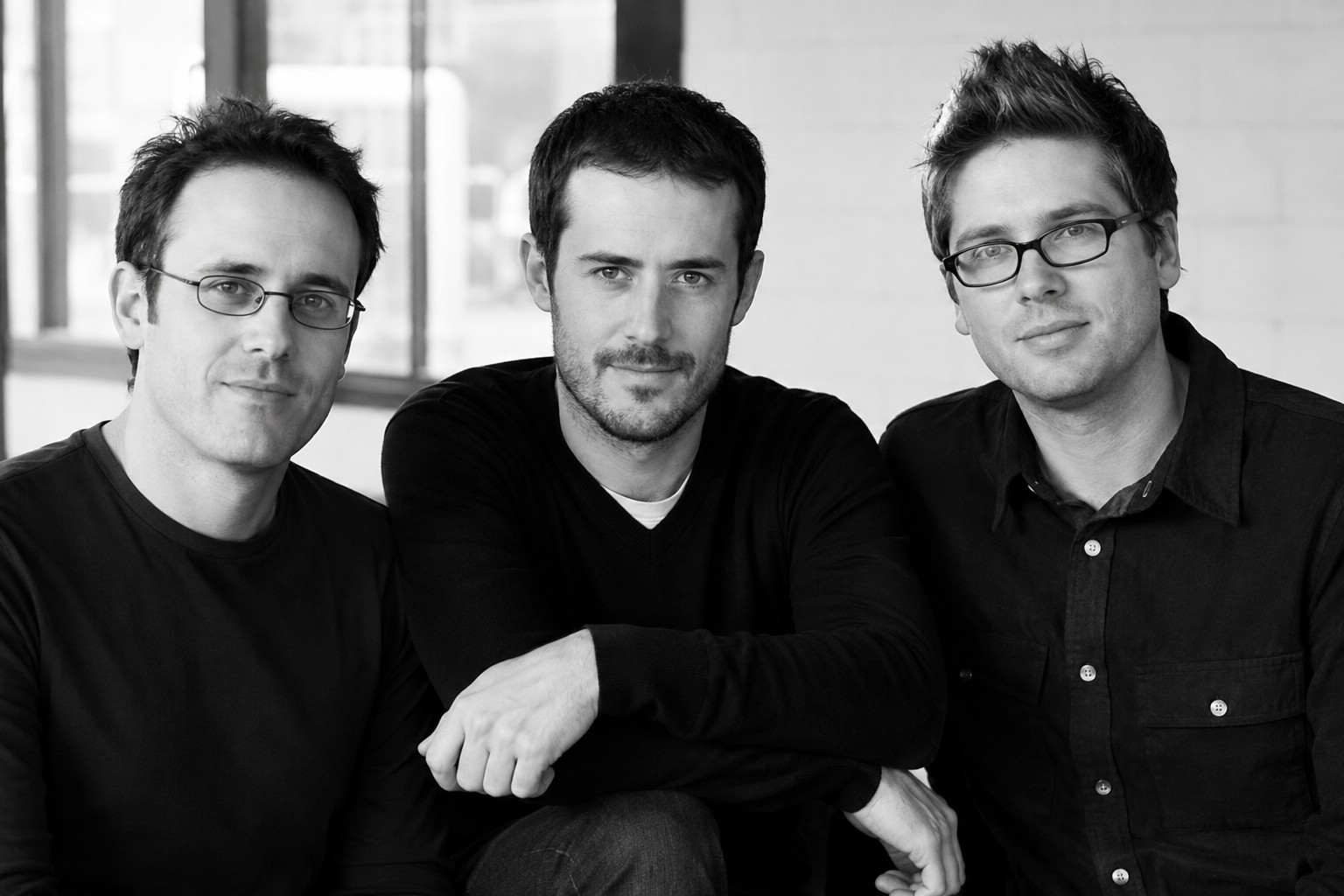
On July 15, 2006, Twitter was publicly launched by co-founders Jack Dorsey, Evan Williams and Biz Stone, introducing a simple platform that would go on to reshape journalism, politics, finance and global communication. What began as a modest microblogging service built around short status updates evolved into one of the world’s most influential social media platforms, fundamentally changing how information is created, shared and consumed.
A simple idea with global ambitions
Twitter emerged from podcasting company Odeo during a period of rapid innovation in Silicon Valley. The founders envisioned a service where users could instantly share brief updates about what they were doing. Initially limited to just 140 characters to accommodate SMS messaging, the platform encouraged concise, real-time communication unlike anything available at the time.
The public launch attracted only modest attention. Few could have predicted that this straightforward concept would eventually become a central source of breaking news, public debate and direct communication between world leaders, businesses, celebrities and ordinary citizens.

Transforming news and financial markets
Twitter quickly became indispensable for journalists and investors. Breaking news often appeared on the platform before reaching traditional news outlets, while companies began using it to communicate directly with customers and shareholders. Financial markets increasingly reacted to posts made by chief executives, central bankers and politicians, highlighting the growing influence of social media on global economics.
The introduction of hashtags, retweets and trending topics further accelerated the speed at which information spread, allowing important events to reach millions of users within minutes.
From social network to global influence
Over the following decade, Twitter played a significant role during elections, natural disasters, protests and international conflicts. Governments embraced it for public communication, while activists used it to organise movements and raise awareness. Businesses also recognised its value as a marketing, customer service and brand-building platform.
At the same time, the service faced mounting criticism over misinformation, online harassment, political polarisation and content moderation. These challenges forced both the company and regulators to reconsider how digital platforms should balance free expression with public safety.
A new chapter as X
In 2022, entrepreneur Elon Musk acquired Twitter, beginning a period of sweeping organisational and strategic change. In 2023, the company was rebranded as X, reflecting ambitions to transform the platform into a broader digital ecosystem encompassing payments, commerce, artificial intelligence and multimedia services.
Although its identity has evolved, the original launch in July 2006 remains one of the defining moments in the history of the internet. The vision of Jack Dorsey, Evan Williams and Biz Stone demonstrated how a simple communication tool could grow into infrastructure that influences financial markets, public policy, journalism and everyday life across the globe.
Newshub Editorial – North America – 15 July 2026

Ask NF GPT
If you have an account with ChatGPT you get deeper explanations,
background and context related to what you are reading.
Recent Comments