
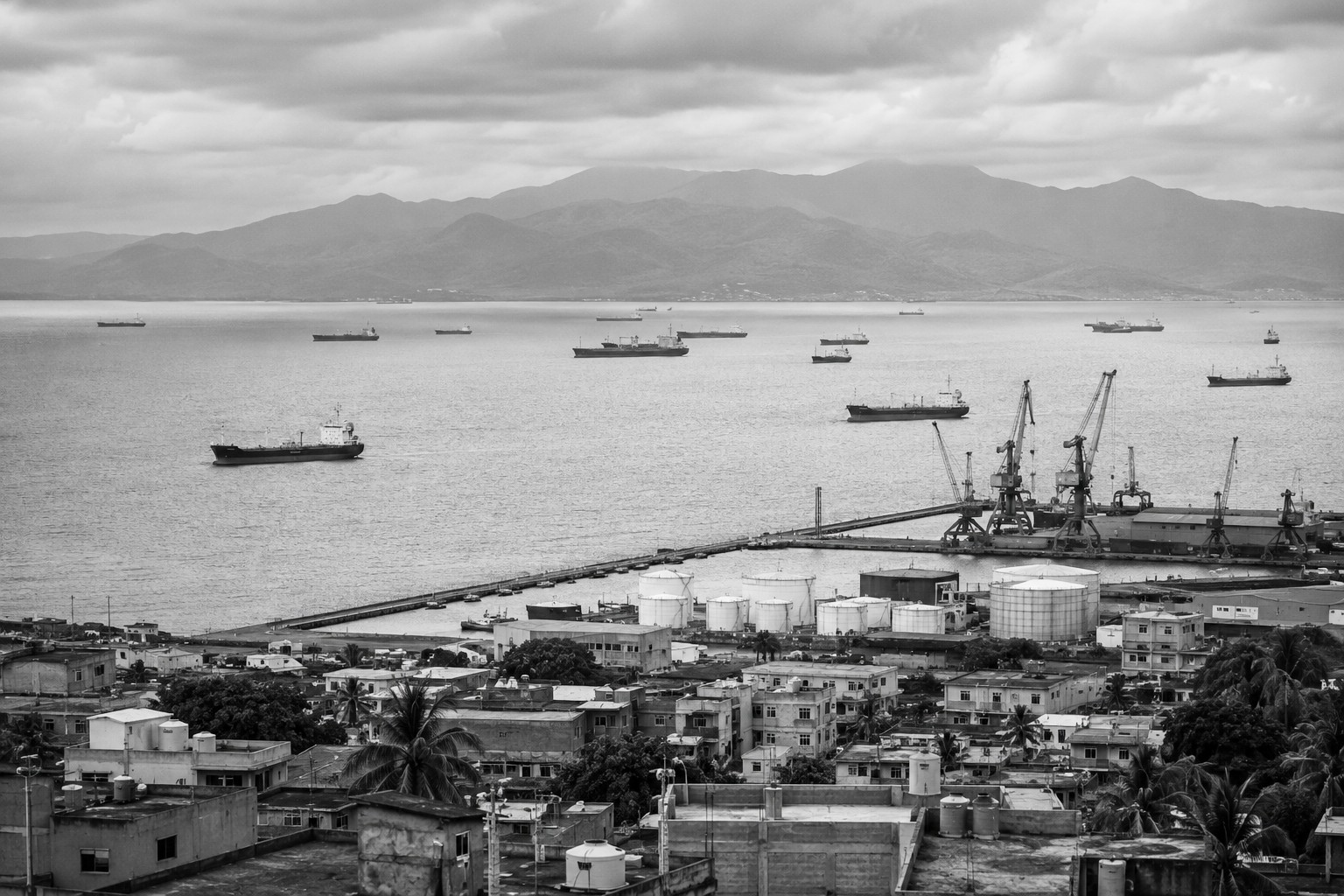
The conflict centred on Iran and the effective closure of the Strait of Hormuz are expected to have significant economic consequences for Latin America and the Caribbean throughout 2026, according to a Special Report published by the United Nations Economic Commission for Latin America and the Caribbean (ECLAC). While the region lies thousands of kilometres from the Middle East, the report concludes that rising energy prices, disrupted trade, tighter financial conditions and weaker global growth will affect nearly every economy across the hemisphere.
Global disruption reaches Latin America
ECLAC’s analysis concludes that the conflict has triggered a series of interconnected economic shocks rather than a single isolated event. The disruption to shipping through the Strait of Hormuz—one of the world’s most important energy corridors—has driven oil prices sharply higher while increasing freight costs, insurance premiums and uncertainty throughout global supply chains.
Although Latin America exports a range of commodities, many countries remain heavily dependent on imported fuel and industrial inputs. Higher transportation and energy costs are therefore expected to feed directly into inflation, placing renewed pressure on both households and businesses.

The report warns that prolonged instability could slow the region’s economic recovery just as many countries were beginning to see improving investment conditions.
Energy exporters and importers face different outcomes
The impact will vary considerably across the region.
Oil-producing nations such as Guyana, Brazil, Mexico, Colombia and Ecuador could benefit from higher crude prices, increasing export revenues and strengthening public finances if prices remain elevated.
By contrast, energy-importing economies throughout Central America and much of the Caribbean face rising import bills, higher electricity generation costs and increasing pressure on government budgets. Many island states remain particularly vulnerable because imported fuel continues to dominate electricity production.
For these economies, sustained increases in oil prices risk accelerating inflation while weakening consumer spending and economic growth.
Trade and investment under pressure
ECLAC also highlights growing risks to international trade. Higher shipping costs, longer delivery times and uncertainty surrounding maritime transport could reduce export competitiveness for agricultural producers, manufacturers and mining companies across Latin America.
Financial markets have also become more cautious as investors seek safer assets during periods of geopolitical instability. That shift may increase borrowing costs for emerging economies and reduce capital inflows into infrastructure, industrial development and private investment projects.
Countries with high levels of external debt could experience additional pressure if global interest rates remain elevated for longer.
Inflation becomes a renewed concern
Central banks across the region had made considerable progress in reducing inflation following the global price surge earlier in the decade. However, higher energy prices now threaten to reverse some of those gains.
Transport, food production, manufacturing and logistics all depend heavily on fuel costs. As businesses face rising operating expenses, consumers are likely to experience higher prices across a broad range of goods and services.
ECLAC warns that policymakers may once again face the difficult task of balancing inflation control with the need to support economic growth.
Building resilience amid uncertainty
Despite the challenges, the report notes that the region enters this period of uncertainty in a stronger position than during previous global crises. Fiscal management has improved in several countries, commodity exports remain robust and investment in renewable energy continues to expand.
Nevertheless, ECLAC argues that governments should accelerate efforts to diversify energy sources, strengthen regional trade integration and improve economic resilience against future geopolitical shocks.
As the conflict in and around Iran continues to evolve, its consequences are increasingly being felt far beyond the Middle East. For Latin America and the Caribbean, the coming months are likely to test both economic resilience and policy flexibility in an increasingly uncertain global environment.
Newshub Editorial in Latin America – July 14, 2026

Ask NF GPT
If you have an account with ChatGPT you get deeper explanations,
background and context related to what you are reading.
Recent Comments