
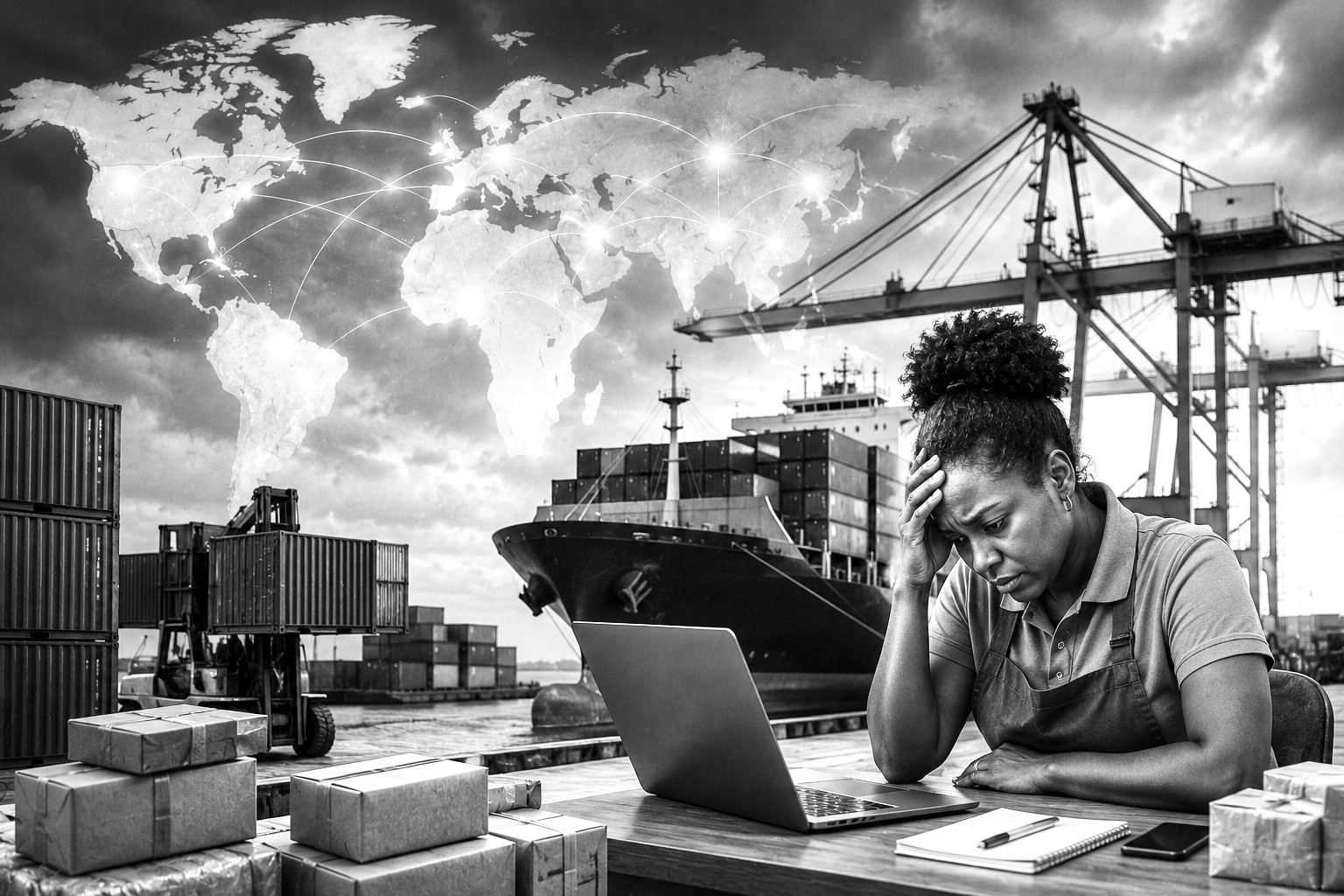
Micro, Small and Medium Enterprises (MSMEs), long regarded as the backbone of Caribbean economies, are facing mounting challenges as global trade tensions, supply chain disruptions and rising logistics costs expose the vulnerability of the region’s import-dependent business sector. While these businesses account for an estimated 70 to 85 per cent of all commercial firms and contribute up to 70 per cent of regional Gross Domestic Product, their resilience is increasingly being tested by forces beyond their control.
The backbone of Caribbean economies
Across the Caribbean, MSMEs play a central role in economic development, employment and entrepreneurship. They operate across a wide range of sectors, including retail, tourism, agriculture, manufacturing and professional services, providing livelihoods for thousands of families and supporting local communities.
Despite their importance, many of these businesses operate with limited financial reserves, making them particularly vulnerable to sudden changes in international markets. Unlike larger multinational companies, smaller enterprises often lack the scale to absorb higher costs or rapidly adjust their supply chains.

Global shocks hit local businesses first
The recent resurgence of tariff disputes between major trading powers, combined with persistent disruptions to international shipping routes and higher freight costs, has created significant uncertainty for Caribbean businesses.
Most island economies rely heavily on imported raw materials, consumer goods and industrial equipment, while exporting a relatively narrow range of products and services. As a result, increases in shipping costs, customs duties or transport delays are quickly reflected in higher operating expenses for local businesses.
Logistical bottlenecks at major ports, congestion along key maritime routes and continuing geopolitical tensions have further complicated international trade, forcing many MSMEs to cope with longer delivery times and unpredictable inventory management.
Building resilience through diversification
The current environment is reinforcing the need for Caribbean economies to diversify both their export base and their sources of imported goods. Expanding regional trade, strengthening local manufacturing capacity and investing in digital commerce could help reduce dependence on a limited number of international supply chains.
Digital technologies are also offering new opportunities. Online marketplaces, electronic payments and improved access to cross-border financial services allow smaller businesses to reach customers beyond their domestic markets while reducing some of the barriers associated with traditional trade.
Governments and regional development institutions continue to explore policies aimed at improving access to finance, strengthening business resilience and supporting innovation among smaller enterprises.
Preparing for an uncertain future
While global trade conditions are expected to remain volatile, the long-term outlook for Caribbean MSMEs will depend largely on their ability to adapt to a rapidly changing international environment. Businesses that embrace digital transformation, diversify their supply chains and develop more flexible operating models are likely to be better positioned to withstand future external shocks.
As the global economy becomes increasingly interconnected, strengthening the resilience of MSMEs will remain essential not only for protecting employment and entrepreneurship but also for safeguarding sustainable economic growth across the Caribbean.
Newshub Editorial in Caribbean – 11 July 2026

Ask NF GPT
If you have an account with ChatGPT you get deeper explanations,
background and context related to what you are reading.
Recent Comments