
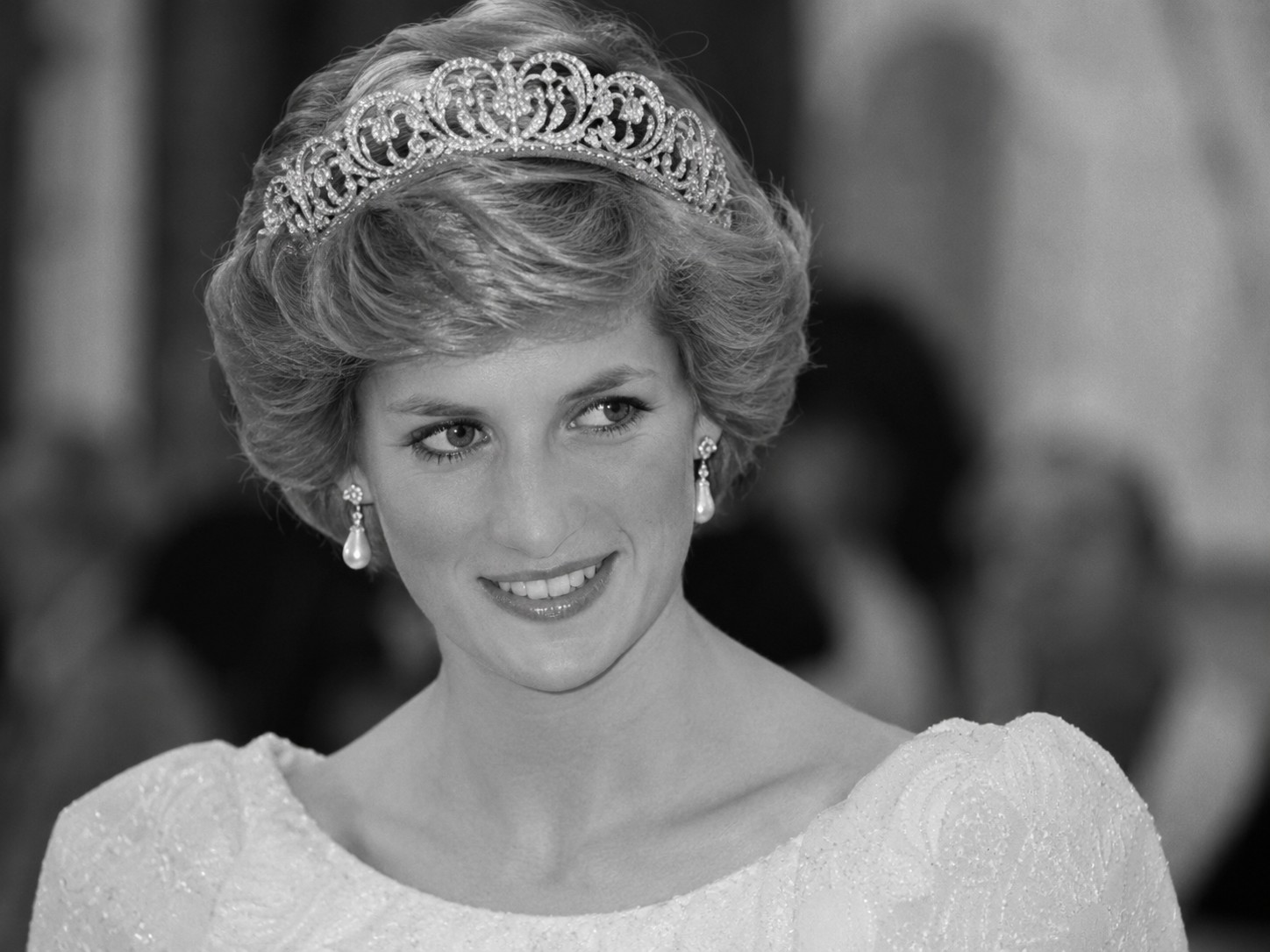
More than a quarter of a century after her death, Diana, Princess of Wales, remains one of the most influential and recognisable figures of the 20th century. Her humanitarian work, openness about personal struggles and ability to connect with ordinary people reshaped public expectations of the British royal family and left a legacy that continues to resonate today.
From shy aristocrat to global icon
Born Diana Frances Spencer on 1 July 1961, she came from an aristocratic family with longstanding ties to the British royal household. At the age of 20, she married Charles III, then Prince of Wales, in a spectacular ceremony at St Paul’s Cathedral on 29 July 1981. The wedding attracted an estimated global television audience of more than 750 million people, making it one of the most watched events in history.

The couple welcomed two sons, Prince William and Prince Harry, but their marriage came under increasing public scrutiny before ending in divorce in 1996.
A new approach to royal duties
Diana transformed the role of a modern royal through a more personal and compassionate style of public engagement. She was known for embracing children, comforting hospital patients and interacting directly with people living with illnesses that many at the time feared or misunderstood.
Her decision to shake hands with an AIDS patient without wearing gloves in 1987 became one of the defining images of the decade, helping challenge misconceptions surrounding HIV/AIDS. She also became a prominent advocate for homeless people, mental health awareness and children’s charities.
Campaign against landmines
Perhaps Diana’s most enduring humanitarian contribution came through her support for the international campaign to ban anti-personnel landmines.
In January 1997, she travelled to Angola, where she famously walked through an active minefield wearing protective equipment. Later that year, she visited Bosnia and Herzegovina to highlight the devastating long-term impact of unexploded mines on civilians.
Although controversial among some politicians at the time, her advocacy helped draw worldwide attention to the issue and contributed to growing public support for international action.
A tragic end and an enduring legacy
On 31 August 1997, Diana died following a car crash in the Pont de l’Alma tunnel in Paris. She was 36 years old. Her death prompted an unprecedented outpouring of grief across the world, with millions leaving flowers outside Kensington Palace and watching her funeral on television.
Questions surrounding the crash generated numerous investigations over subsequent years. Official inquiries in both France and the United Kingdom concluded that the collision resulted from the driver’s intoxication, excessive speed and the pursuit by photographers, finding no evidence of a criminal conspiracy.
Today, Diana’s influence remains visible through the charitable work of her sons and the continuing focus within the royal family on mental health, homelessness and community engagement. Often remembered as “the People’s Princess,” she fundamentally altered how public figures, particularly members of the monarchy, interact with society, demonstrating that compassion and authenticity could be as powerful as tradition.
Newshub Editorial in Europe – 1 July 2026

If you have an account with ChatGPT you get deeper explanations,
background and context related to what you are reading.
Open an account:
Open an account
Recent Comments