
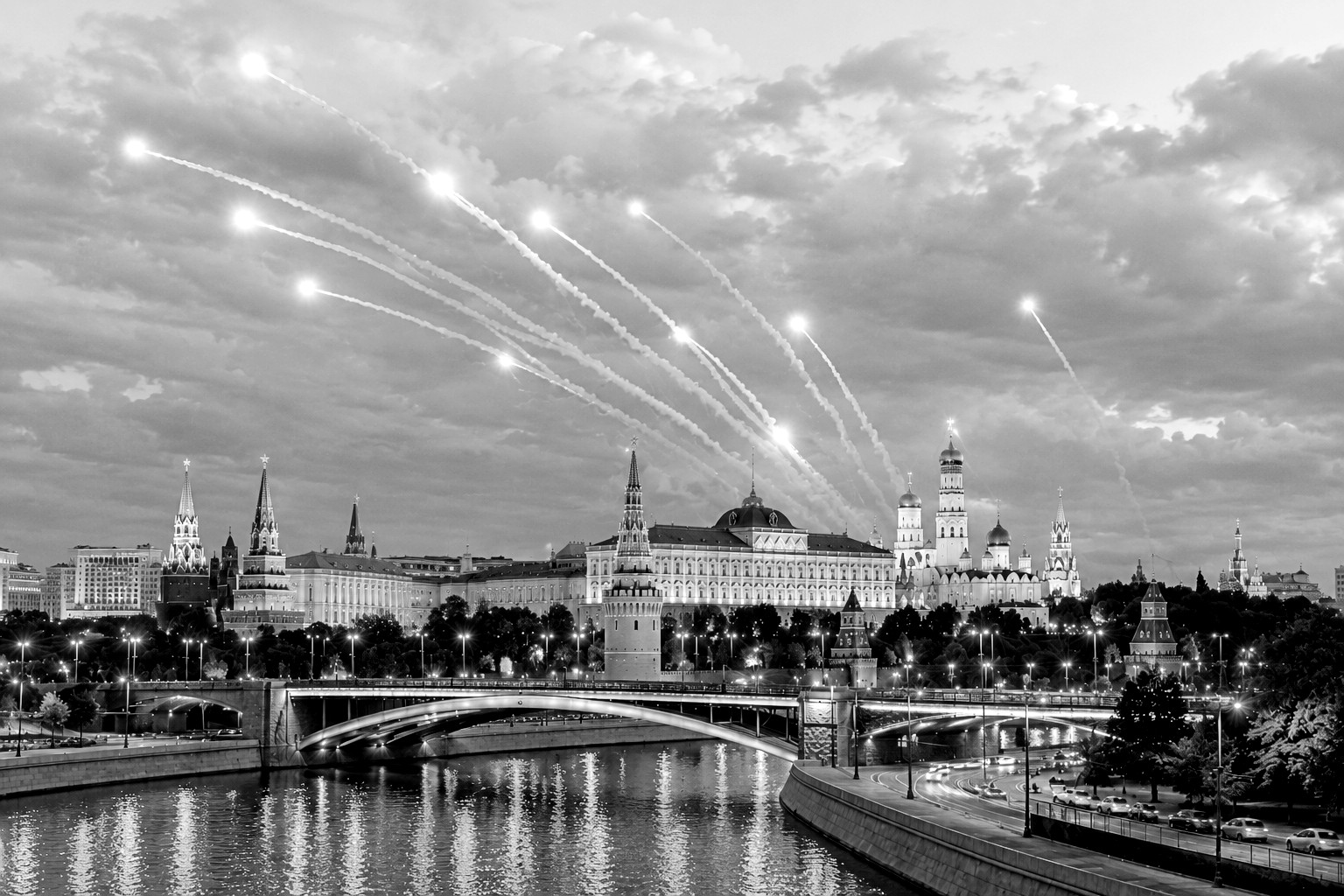
Ukraine launched one of its most extensive long-range drone attacks against Moscow overnight, targeting strategic infrastructure and bringing the realities of the war closer to Russia’s capital. While Russian authorities claimed to have intercepted the majority of the drones, the operation disrupted air traffic, forced temporary road closures and demonstrated Kyiv’s growing ability to strike deep inside Russian territory. The attack is widely viewed as both a military operation and a psychological message, signalling that Russia’s war effort is no longer insulated from direct consequences on its own soil.
Strategic targets beyond the capital
According to Ukrainian and Russian officials, the operation extended well beyond central Moscow. Ukrainian drones reportedly targeted facilities linked to Russia’s military-industrial complex, including oil infrastructure, logistics hubs and sites believed to support the country’s military operations.
Several airports serving Moscow temporarily suspended commercial flights for safety reasons, while sections of the capital’s transport network experienced disruptions. Russian authorities also reported that debris from intercepted drones caused isolated damage, although they maintained that most incoming aircraft were successfully destroyed by air defence systems.

Ukrainian President Volodymyr Zelenskyy described the strikes as a “justified response” to Russia’s continuing missile and drone attacks on Ukrainian cities, arguing that facilities sustaining Russia’s war machine had become legitimate military objectives.
Demonstrating increasing reach
The scale of the attack highlighted Ukraine’s rapidly improving long-range strike capabilities. Over the past two years, Kyiv has invested heavily in domestically produced drones capable of travelling hundreds of kilometres into Russian territory.
Unlike conventional missiles, drone swarms are comparatively inexpensive to manufacture while forcing defenders to deploy costly air defence systems. By launching large numbers simultaneously, Ukraine aims to overwhelm Russian defences, increasing the likelihood that at least some drones reach their intended targets.
Military analysts note that these operations serve multiple purposes: damaging infrastructure, stretching Russian air defence resources and forcing Moscow to divert military assets away from the front lines to protect strategic locations deeper inside the country.
Psychological impact on Russia
Although the physical damage appears limited compared with Russia’s repeated missile barrages against Ukraine, the psychological impact is significant.
For many Russians, particularly residents of Moscow, the war has remained geographically distant despite more than four years of fighting. Repeated drone incursions into the capital challenge that perception by demonstrating that no region is entirely beyond Ukraine’s reach.
The temporary closure of airports, flight cancellations and emergency responses also highlight the economic and logistical costs of maintaining homeland security as the conflict evolves.
Potential Kremlin response
Ukraine now faces the likelihood of another large-scale Russian retaliation. Moscow has consistently answered major Ukrainian strikes with extensive missile and drone attacks targeting Ukrainian cities, energy infrastructure and industrial facilities.
Military observers expect Russia to continue combining ballistic missiles, cruise missiles and Iranian-designed attack drones in an effort to overwhelm Ukraine’s increasingly strained air defence network.
At the same time, Ukraine’s expanding long-range drone programme suggests that similar operations against Russian military and industrial targets are likely to continue. As both sides refine their capabilities, the conflict is increasingly becoming a contest of endurance, technology and industrial capacity rather than territorial advances alone.
Today’s strike demonstrates that the battlefield now extends far beyond the front lines, with strategic infrastructure and major cities playing an ever larger role in the evolving nature of the war.
Newshub Editorial in Europe – 19 June 2026

If you have an account with ChatGPT you get deeper explanations,
background and context related to what you are reading.
Open an account:
Open an account
Recent Comments