
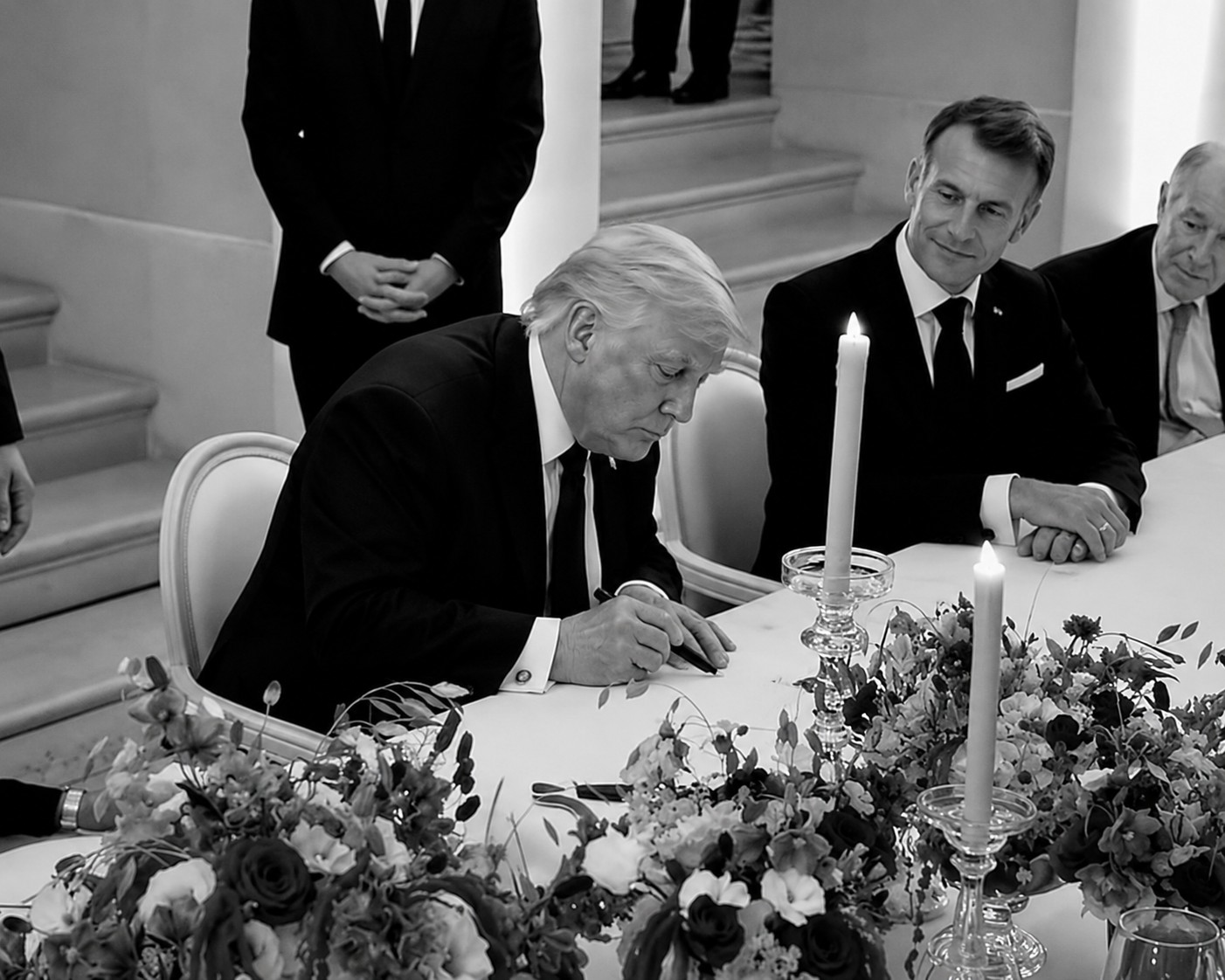
United States President Donald Trump has signed a 14-point peace framework with Iran, describing the agreement as a historic breakthrough that prevented a potential “worldwide depression” by easing tensions in the Middle East and reopening critical global energy routes. While the White House has hailed the deal as a major diplomatic success, critics argue that Washington has made significant concessions to secure a fragile ceasefire and restart negotiations over Iran’s nuclear programme.
A framework to halt conflict
The agreement extends an existing ceasefire by 60 days and establishes a roadmap for broader negotiations between Washington and Tehran. According to US officials, the immediate priorities include maintaining stability in the Gulf, reopening commercial shipping through the Strait of Hormuz, restoring confidence in global energy markets and creating conditions for a permanent peace settlement.
Trump defended the agreement during the G7 summit, arguing that continued conflict risked triggering severe economic disruption, surging oil prices and a global recession. He said the accord was designed to protect international trade while providing a path away from military escalation.

Economic relief forms part of the package
As part of the framework, the United States has agreed to provide phased sanctions relief, release frozen Iranian assets and allow Iran to resume oil exports under specified conditions. Iran, in turn, has reaffirmed that it will not pursue nuclear weapons while accepting continued international monitoring of parts of its nuclear activities.
However, several contentious issues remain unresolved. The agreement does not require the immediate dismantling of Iran’s ballistic missile programme, and future negotiations will determine the long-term status of uranium enrichment, regional security arrangements and permanent sanctions relief.
Markets welcome reduced tensions
Financial markets reacted positively to the announcement, with energy prices declining as traders anticipated reduced risks to global oil supplies passing through the Strait of Hormuz. Investors viewed the agreement as lowering the likelihood of further disruption to one of the world’s most strategically important maritime corridors.
The White House described the memorandum as the beginning of a broader diplomatic process rather than a final settlement, acknowledging that the most difficult negotiations still lie ahead.
Political divisions remain
The agreement has generated mixed reactions both domestically and internationally. Supporters argue that avoiding a wider regional war benefits global economic stability and reduces geopolitical risk. Critics, however, contend that the United States conceded too much before securing stronger commitments from Tehran regarding its missile capabilities and regional influence.
With further negotiations scheduled over the coming weeks, the success of the agreement will ultimately depend on whether both sides honour the ceasefire and convert the temporary framework into a lasting peace accord. Until then, the deal represents both a significant diplomatic achievement and a calculated political gamble.
Newshub Editorial in North America – 18 June 2026

If you have an account with ChatGPT you get deeper explanations,
background and context related to what you are reading.
Open an account:
Open an account
Recent Comments