
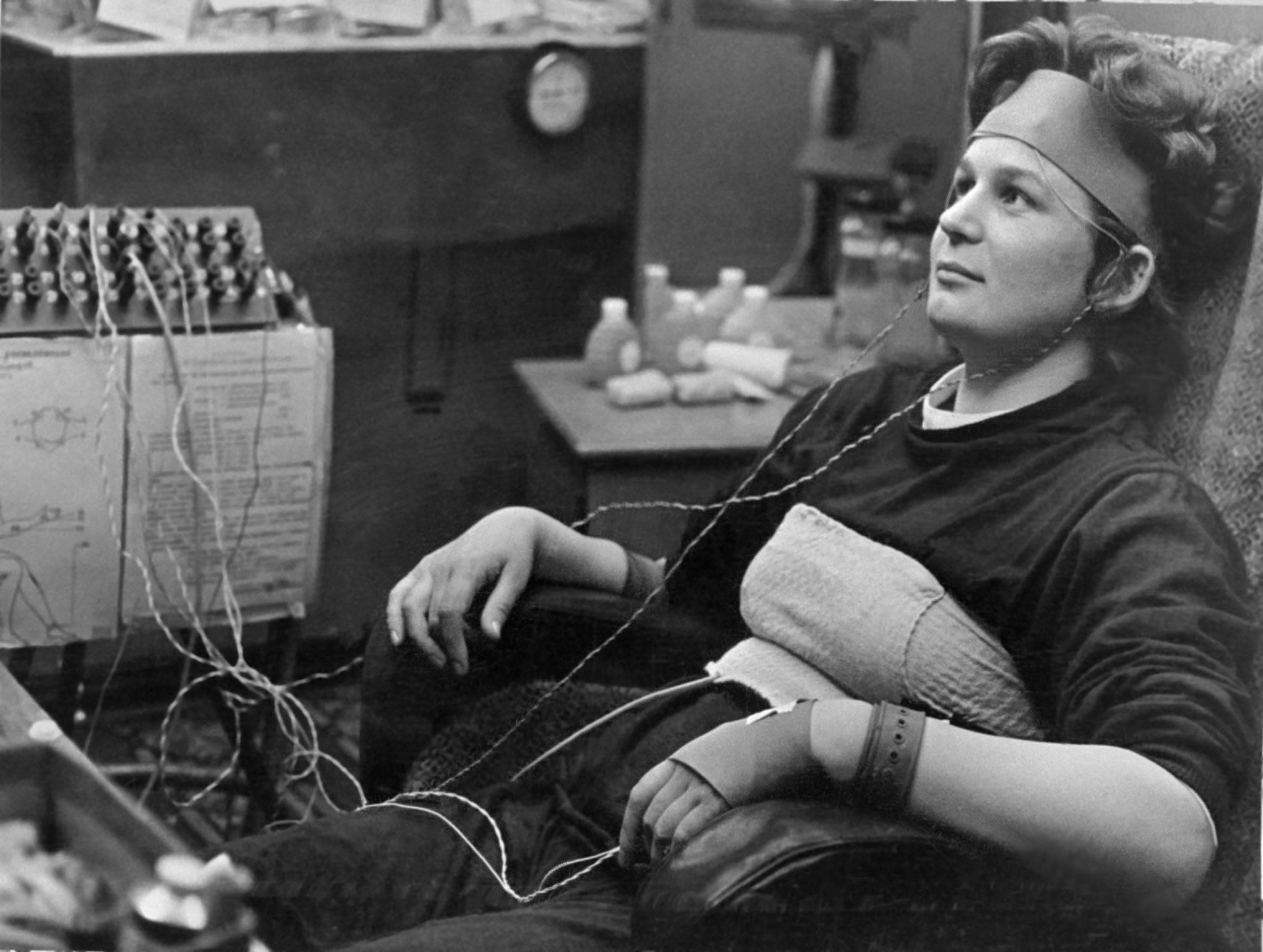
On 16 June 1963, Valentina Tereshkova became the first woman to travel into space, marking one of the most significant milestones in the history of human exploration. Her solo mission aboard Vostok 6 not only demonstrated the capabilities of female astronauts but also became a defining moment in the Cold War space race, inspiring generations of scientists, engineers and explorers around the world.
A historic mission
At just 26 years old, Valentina Tereshkova launched aboard Vostok 6 from the Soviet Union’s Baikonur Cosmodrome on 16 June 1963. Over the course of nearly three days in orbit, she completed 48 revolutions around Earth, spending almost 71 hours in space. Remarkably, she remained the only woman to undertake a solo spaceflight, a distinction that still stands today.
Tereshkova’s journey came just two years after Yuri Gagarin became the first human to orbit Earth, reinforcing the Soviet Union’s leadership in the early years of space exploration.

From textile worker to cosmonaut
Before entering the Soviet space programme, Tereshkova worked in a textile factory and pursued parachuting as a hobby. Her extensive skydiving experience proved crucial because the Vostok spacecraft required cosmonauts to eject from the capsule and land separately by parachute after re-entering Earth’s atmosphere.
Out of hundreds of applicants, Tereshkova was selected alongside a small group of female candidates and underwent rigorous military, engineering and survival training. The programme tested participants physically and mentally, preparing them for the challenges of spaceflight in an era when little was known about the effects of prolonged weightlessness on the human body.
Scientific and political significance
The Vostok 6 mission carried scientific objectives, including monitoring the physiological effects of spaceflight on women. The successful completion of the mission demonstrated that women could perform demanding orbital missions just as effectively as men.
Beyond its scientific value, the mission also carried immense geopolitical importance. During the height of the Cold War, achievements in space served as powerful symbols of technological capability and national prestige. Tereshkova’s flight became an enduring symbol of Soviet innovation and was celebrated worldwide.
A lasting legacy
Although many more women have since travelled into space, Tereshkova’s achievement remains unique. She later served in public office, advocated for scientific education and continued to support international space cooperation throughout her career.
Today, as governments and private companies prepare for a new era of lunar exploration and future missions to Mars, pioneers such as Tereshkova continue to inspire new generations of astronauts. Her groundbreaking mission demonstrated that space exploration benefits from diversity, determination and human ambition regardless of gender.
More than six decades after Vostok 6 lifted off, the first woman in space remains one of the defining figures in the history of human exploration, her legacy extending far beyond the boundaries of Earth’s atmosphere.
Newshub Editorial in Europe – 16 June 2026

If you have an account with ChatGPT you get deeper explanations,
background and context related to what you are reading.
Open an account:
Open an account
Recent Comments