
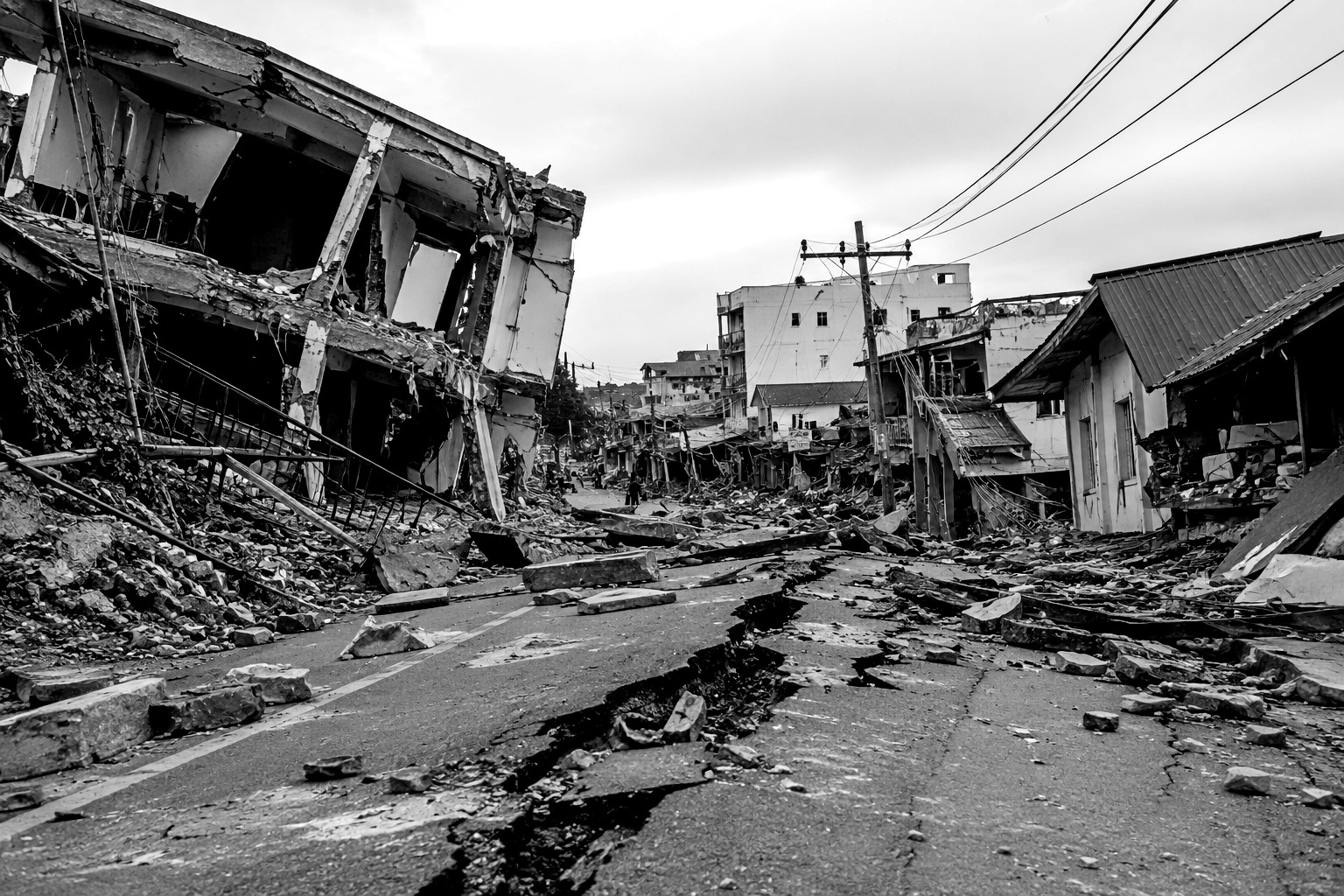
A powerful magnitude-7.8 earthquake struck the southern Philippines, killing at least 37 people and injuring hundreds more as buildings collapsed, roads cracked, and communities across the region suffered widespread damage. Authorities have warned residents to stay away from damaged structures amid fears of strong aftershocks.
The earthquake struck during the early hours of the morning, sending residents rushing into the streets as violent shaking was felt across several provinces. Emergency services have been deployed to the worst-affected areas, where rescue teams continue searching through rubble for survivors.
Officials said the death toll could rise as communication is restored to remote communities and damage assessments continue. Hospitals in several cities have reported an influx of injured residents, while temporary shelters have been established for those displaced by the disaster.

Aftershocks pose ongoing threat
Seismologists have recorded numerous aftershocks following the main quake, prompting authorities to issue warnings against entering damaged homes, offices, schools, and public buildings.
Emergency management agencies stressed that weakened structures could collapse without warning if further tremors occur. Engineers and disaster-response teams are carrying out inspections before buildings are declared safe for reoccupation.
Residents described scenes of panic as ceilings collapsed, power outages spread across affected districts, and transportation networks were temporarily disrupted.
Rescue operations continue
Military personnel, police units, firefighters, and volunteer groups have joined search-and-rescue efforts. Heavy equipment is being used to clear debris from collapsed buildings, while helicopters are assisting in reaching isolated communities.
The Philippine government has mobilised emergency resources and pledged assistance for affected families. Relief operations are focusing on providing food, clean water, medical supplies, and temporary accommodation.
Several airports and ports in the region remained operational, helping facilitate the delivery of humanitarian aid and emergency personnel.
A country familiar with natural disasters
The Philippines is located along the Pacific Ring of Fire, one of the world’s most seismically active regions. Earthquakes, volcanic activity, and typhoons regularly affect the archipelago, making disaster preparedness a constant national priority.
Despite extensive experience in responding to natural disasters, the scale and intensity of the latest earthquake have placed significant pressure on emergency services and local authorities.
Recovery expected to take months
As rescue operations continue, attention is gradually turning towards recovery and reconstruction. Authorities are assessing damage to homes, schools, hospitals, roads, and public infrastructure, with preliminary estimates suggesting substantial economic losses.
For thousands of residents across southern Philippines, the coming weeks will be focused on rebuilding lives and communities while remaining alert to the possibility of further seismic activity.
Newshub Editorial in Asia – 9 June 2026

If you have an account with ChatGPT you get deeper explanations,
background and context related to what you are reading.
Open an account:
Open an accountA powerful magnitude-7.8 earthquake struck the southern Philippines, killing at least 37 people and injuring hundreds more as buildings collapsed, roads cracked, and communities across the region suffered widespread damage. Authorities have warned residents to stay away from damaged structures amid fears of strong aftershocks.
Recent Comments