
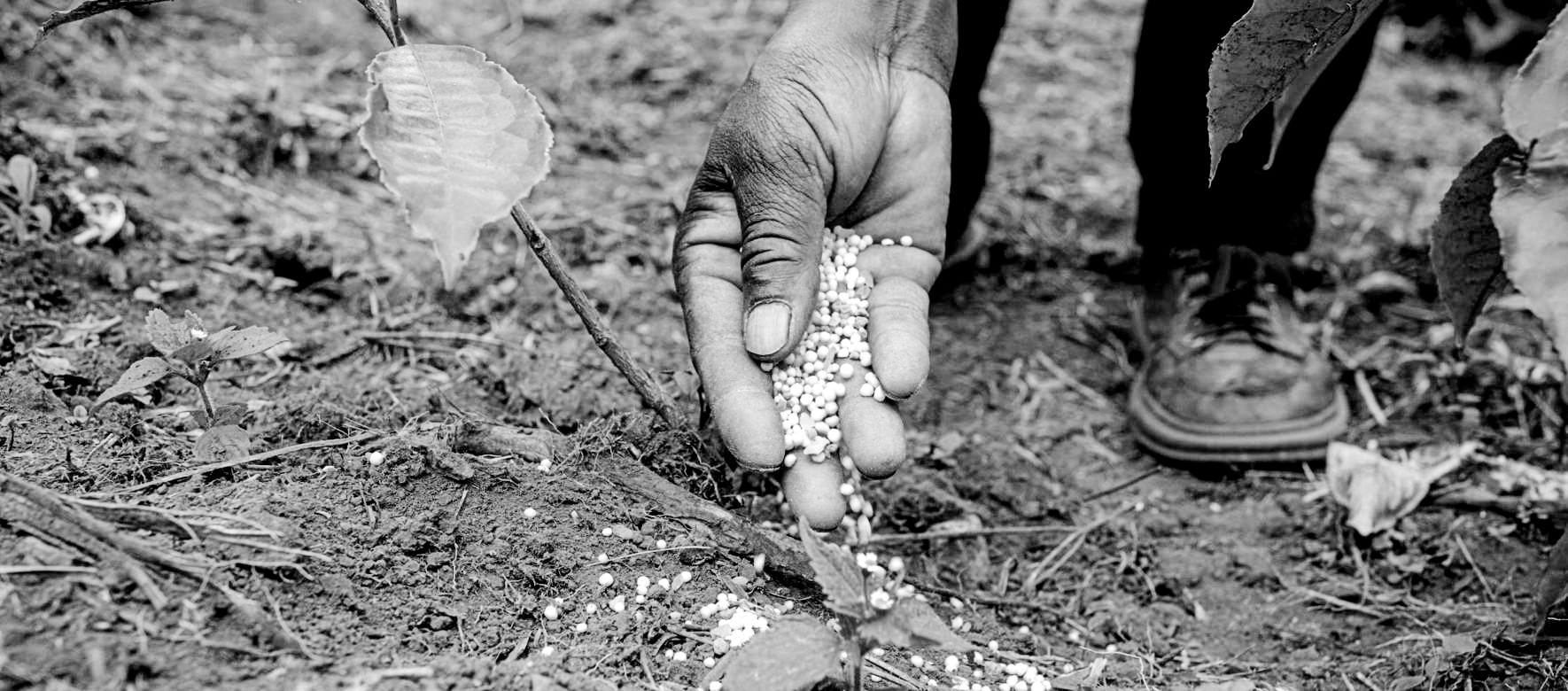
Africa’s growing fertiliser shortage has exposed a critical vulnerability in the continent’s agricultural system, prompting renewed calls for greater investment in domestic fertiliser production. As global supply chains remain vulnerable to geopolitical tensions, export restrictions and rising energy costs, experts argue that Africa must increasingly rely on its own natural resources and manufacturing capacity to secure food production and strengthen economic resilience.
A continent vulnerable to global disruptions
The fertiliser market has experienced significant turbulence in recent years. Conflicts, supply chain bottlenecks and volatility in natural gas prices have contributed to higher fertiliser costs worldwide, placing particular pressure on African farmers.

Many African countries depend heavily on imported fertilisers, leaving them exposed to price shocks and supply shortages beyond their control. For smallholder farmers, who produce the majority of the continent’s food, rising fertiliser costs can lead to lower crop yields and reduced incomes.
The result is a growing concern that food security could be threatened if access to affordable fertilisers remains constrained.
Untapped resources offer opportunity
Despite its dependence on imports, Africa possesses substantial natural resources that could support a stronger domestic fertiliser industry. Countries including Morocco, Nigeria, Egypt, Algeria and Senegal hold significant reserves of phosphate, natural gas and other raw materials essential for fertiliser production.
Several nations have already invested in expanding production facilities, but analysts believe far greater capacity is needed to meet future demand. By processing more of these resources locally, African economies could reduce import dependence while creating jobs and industrial growth opportunities.
Developing regional supply chains would also help keep more value within African economies rather than exporting raw materials and importing finished products at higher costs.
Boosting agricultural productivity
Improved access to fertilisers remains one of the fastest ways to increase agricultural productivity across much of Africa. Crop yields in many regions remain significantly below global averages, often due to insufficient nutrient application and limited access to modern farming inputs.
Affordable and reliable fertiliser supplies could help farmers increase production of staple crops such as maize, rice, wheat and sorghum, supporting food security for a rapidly growing population.
The continent’s population is expected to exceed 2.5 billion people by 2050, making agricultural productivity a strategic priority for governments across Africa.
Building resilience through local production
Advocates argue that expanding domestic fertiliser production is not simply an industrial policy objective but a matter of economic sovereignty. Greater self-sufficiency would reduce exposure to external shocks and strengthen the continent’s ability to respond to future crises.
Regional cooperation could play a key role. The implementation of the African Continental Free Trade Area (AfCFTA) offers opportunities to develop integrated fertiliser supply chains and create larger, more efficient markets for producers.
Investments in transport infrastructure, energy generation and port facilities will also be essential to support long-term growth in the sector.
A strategic investment in Africa’s future
As global uncertainties continue to reshape commodity markets, the fertiliser challenge highlights a broader question about Africa’s economic development path. Relying on imported inputs may offer short-term solutions, but building local production capacity promises greater resilience and long-term prosperity.
By accelerating investment in fertiliser manufacturing today, Africa can strengthen food security, support farmers, create industrial jobs and build the foundation for a more self-reliant agricultural future.
The resources are already present. The challenge now is transforming those resources into sustainable production that can feed a continent and help shield it from future global shocks.
Newshub Editorial in Africa – 3 June 2026

If you have an account with ChatGPT you get deeper explanations,
background and context related to what you are reading.
Open an account:
Open an account
Recent Comments