
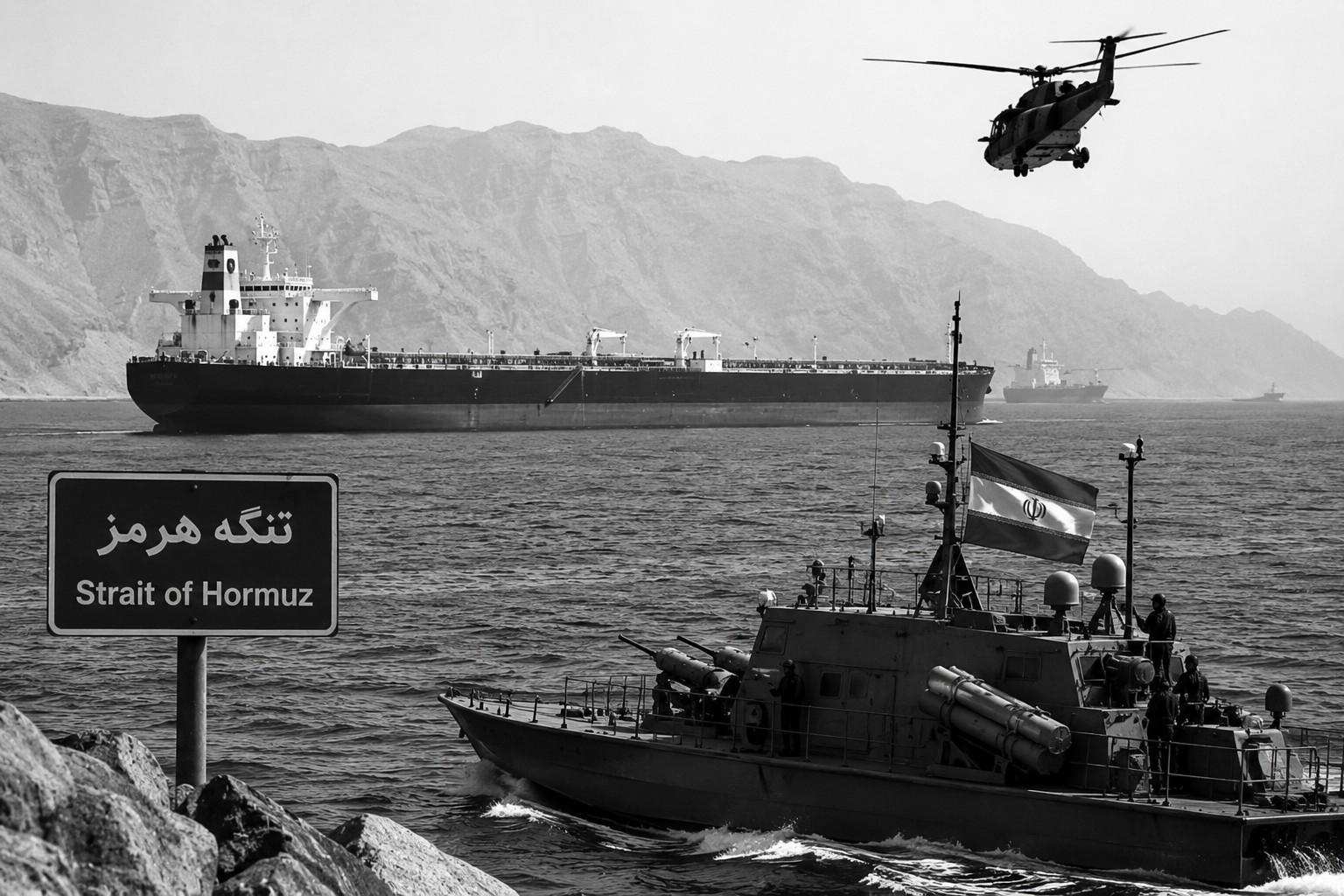
US President Donald Trump has sharply rejected Iran’s latest response to a US-backed peace proposal, calling Tehran’s position “totally unacceptable” as tensions surrounding the Strait of Hormuz continue to intensify. Iranian officials simultaneously warned they are prepared to retaliate against any new US military strikes or additional foreign naval deployments in the strategically vital waterway.
The latest diplomatic confrontation comes amid growing international concern that the fragile ceasefire environment surrounding the US-Iran conflict could deteriorate further in the coming days.
Reports indicate that Iran’s response to Washington’s proposal included demands for sanctions relief, recognition of Iranian sovereignty interests linked to the Strait of Hormuz, security guarantees against future attacks and a phased approach to nuclear negotiations.

Trump publicly dismissed the Iranian response over the weekend, arguing that Tehran continues refusing to fully address concerns surrounding its nuclear programme and regional military posture.
Hormuz remains at the centre of the crisis
The Strait of Hormuz has become the focal point of the broader confrontation.
Roughly one-fifth of the world’s oil shipments normally transit through the narrow maritime corridor, making it one of the most strategically important energy chokepoints on the planet.
Iranian officials warned that any additional US military actions or expanded foreign naval operations in the region would trigger direct retaliation. Tehran has also expressed opposition to reported European maritime security initiatives involving British and French naval participation.
Meanwhile, Washington continues pressing for unrestricted commercial navigation through the strait while maintaining pressure on Iran over its nuclear activities and regional influence.
The continuing standoff has already disrupted global shipping routes and contributed to renewed volatility in energy markets.
Oil prices moved higher following Trump’s remarks, reflecting fears that a prolonged confrontation around Hormuz could significantly affect global crude supply chains.
A wider geopolitical confrontation
The crisis increasingly extends beyond bilateral US-Iran relations.
Regional tensions involving Israel, Lebanon and Gulf states continue adding instability to the situation, while global powers including China and European governments remain closely involved diplomatically.
Reports suggest Washington may seek additional international pressure on Tehran through diplomatic engagement with Beijing and regional intermediaries. Pakistan has reportedly played a role in transmitting proposals between the two sides during recent negotiations.
At the same time, Iran continues portraying itself domestically as resisting foreign pressure and defending regional sovereignty.
Iranian officials have argued that US demands remain excessive and incompatible with Iranian national security interests.
Markets and shipping remain vulnerable
Financial markets are increasingly sensitive to developments surrounding the crisis.
Energy traders, shipping operators and global insurers continue monitoring the Strait of Hormuz closely, particularly as military activity and drone incidents have periodically intensified across the region in recent weeks.
Analysts warn that any sustained disruption to shipping through Hormuz could place renewed inflationary pressure on global economies already facing elevated geopolitical risk.
Although diplomatic channels technically remain open, the latest exchanges between Washington and Tehran suggest that the gap between the two sides remains substantial.
For now, the situation appears highly volatile, with both sides publicly signalling readiness for escalation while simultaneously leaving limited room for continued negotiations.
Newshub Editorial in the Middle East – May 11, 2026

If you have an account with ChatGPT you get deeper explanations,
background and context related to what you are reading.
Open an account:
Open an account
Recent Comments