
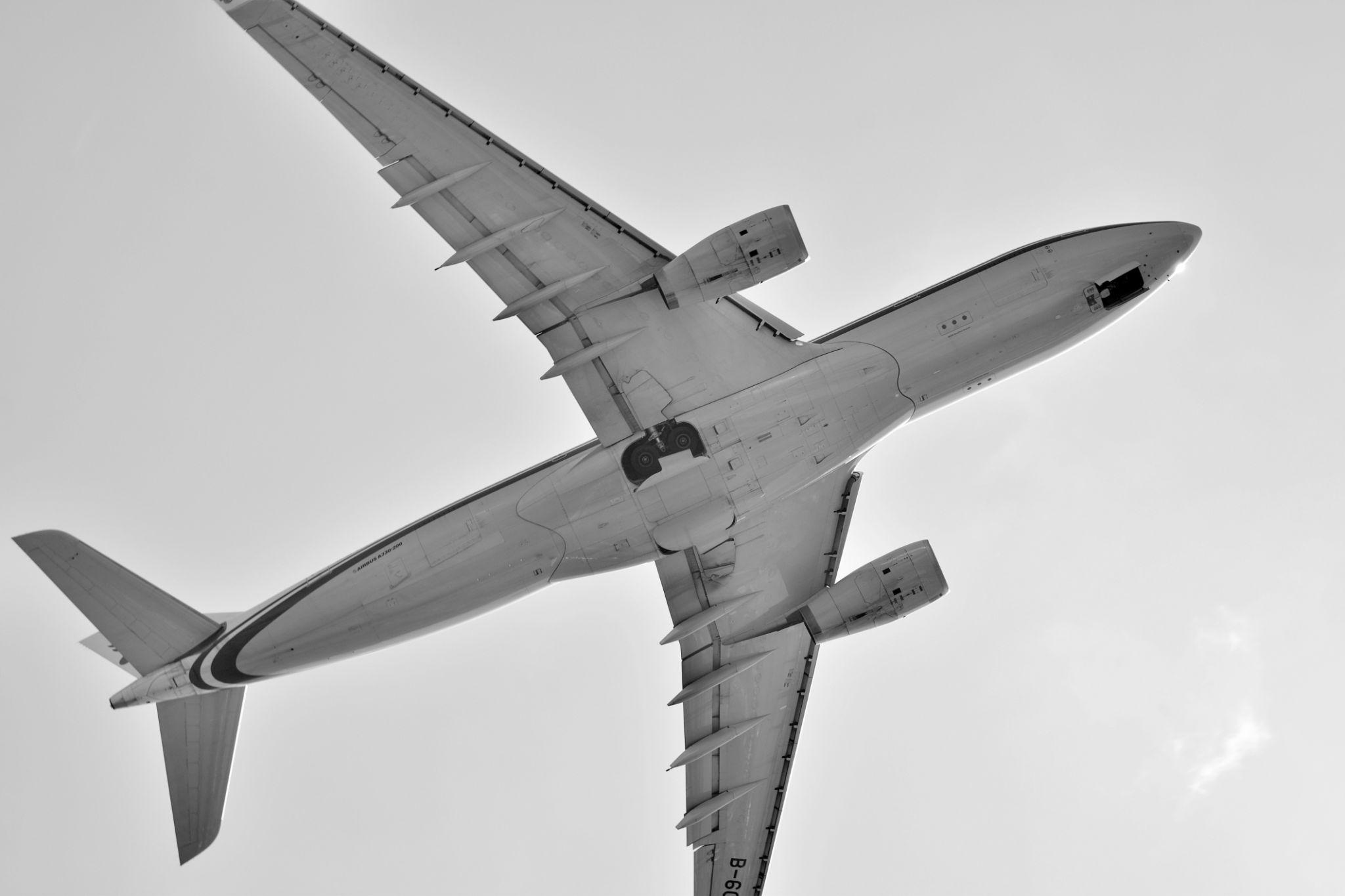
Carbon emissions from Europe’s aviation sector have risen above pre-pandemic levels despite years of industry promises to decarbonise operations and improve fuel efficiency. New data shows that emissions linked to commercial air travel across Europe continued climbing in 2025 and early 2026 as passenger demand surged back beyond levels seen before Covid-19.
The findings have intensified scrutiny of Europe’s airline industry, which has repeatedly pledged to reduce its environmental impact through newer aircraft, sustainable aviation fuel and long-term net-zero strategies.
Among the largest contributors, Ryanair reportedly increased its carbon footprint by roughly 50 per cent compared with 2019 levels, reflecting both expanded flight capacity and the rapid recovery in European budget travel.

Environmental groups argued that rising emissions demonstrate the limitations of current aviation decarbonisation efforts, particularly as passenger growth continues outpacing efficiency improvements.
Demand for air travel continues surging
European airlines have experienced strong post-pandemic recovery as tourism, business travel and international mobility returned across the continent. Low-cost carriers in particular expanded aggressively during the recovery period, adding routes and increasing passenger volumes.
Industry analysts noted that airlines have invested heavily in more fuel-efficient aircraft fleets, but overall emissions continue rising because of the sheer growth in flight numbers.
The aviation sector remains one of the most difficult industries to decarbonise due to limited near-term alternatives to jet fuel for long-haul commercial aviation.
While sustainable aviation fuel programmes are expanding gradually, current production volumes remain relatively small compared with overall global fuel demand.
Climate targets facing increasing pressure
The European aviation industry has committed publicly to achieving net-zero emissions by 2050, aligning with broader European Union climate goals. However, critics argue that current progress remains insufficient to meet long-term targets.
Environmental campaigners say voluntary industry measures and technological improvements alone are unlikely to offset continued growth in passenger traffic.
Several European governments and regulators have already introduced measures aimed at reducing aviation-related emissions, including carbon pricing systems, taxes on short-haul flights and mandates requiring increasing use of sustainable aviation fuels.
At the same time, airlines warn that overly aggressive regulation could increase ticket prices, reduce competitiveness and limit economic growth linked to tourism and international business travel.
Technology alone may not solve the problem
Aircraft manufacturers including Airbus and Boeing continue developing more fuel-efficient aircraft and exploring future hydrogen-powered aviation technologies.
However, experts say large-scale commercial deployment of zero-emission aircraft remains years away, particularly for long-distance international routes.
The debate has increasingly shifted toward whether aviation growth itself may eventually need to slow in order to meet climate objectives.
Some environmental organisations are calling for stricter limits on airport expansion and greater investment in rail infrastructure as alternatives to short-haul flights within Europe.
Balancing growth with environmental commitments
The aviation sector remains economically vital for Europe, supporting tourism, trade and employment across the continent. Airlines argue that connectivity remains essential for economic development and international competitiveness.
Yet rising emissions continue placing the industry under growing political and environmental pressure.
Analysts expect the debate surrounding aviation emissions to intensify further as European governments attempt to balance economic growth, consumer demand and increasingly ambitious climate policies.
For now, Europe’s airline industry faces a difficult reality: despite technological improvements and sustainability pledges, total aviation emissions are continuing to move in the opposite direction of long-term climate targets.
Newshub Editorial in Europe – May 9, 2026

If you have an account with ChatGPT you get deeper explanations,
background and context related to what you are reading.
Open an account:
Open an account
Recent Comments