
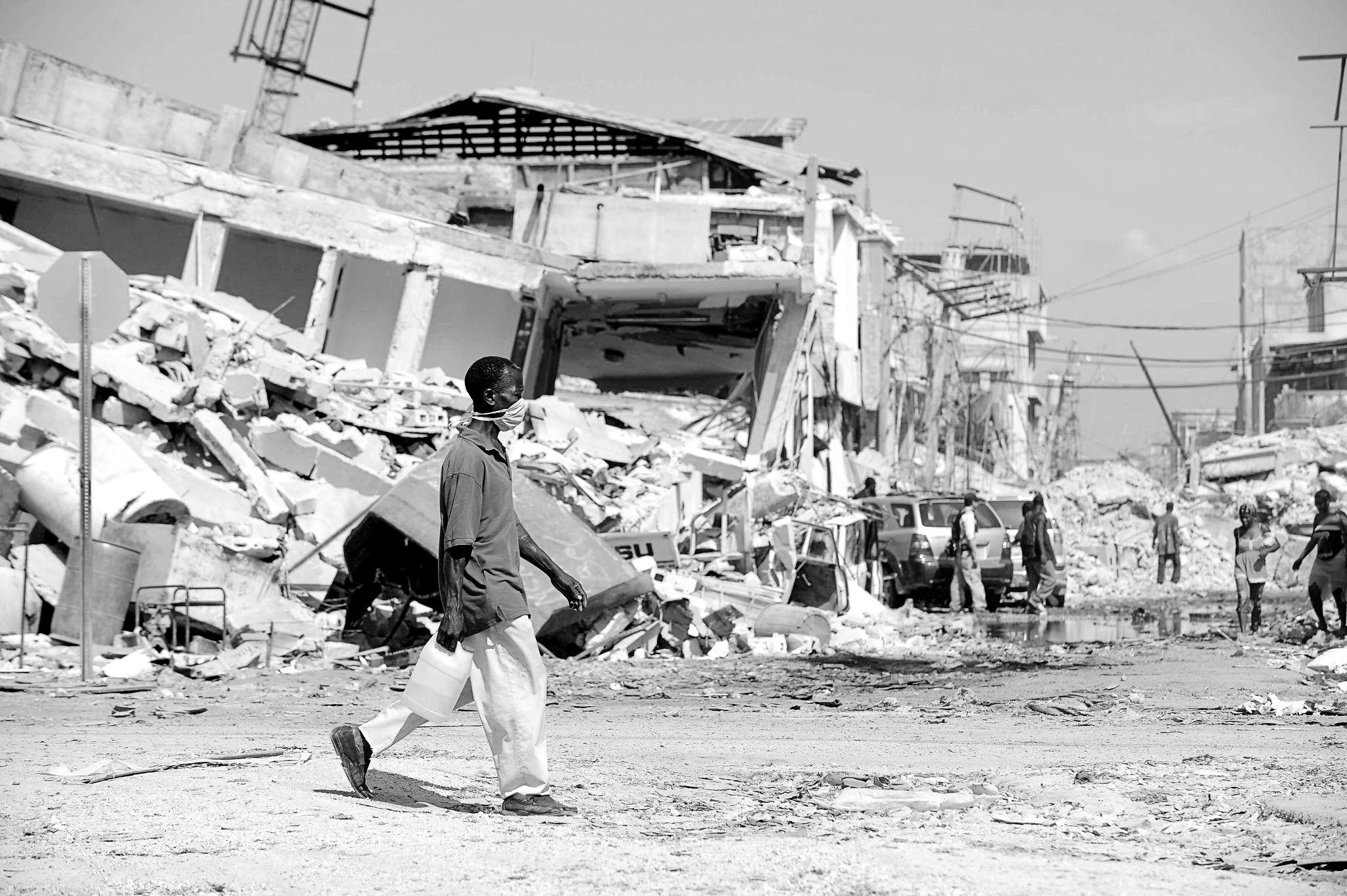
Haiti’s prolonged security and humanitarian crisis continued to deteriorate during the first quarter of 2026, with the United Nations reporting at least 1,642 people killed and 745 injured between January and March. The figures underline the scale of instability facing the Caribbean nation as armed gangs expand territorial control and state institutions struggle to maintain authority.
According to the United Nations Integrated Office in Haiti, violence has intensified across large parts of the country, particularly in and around the capital, Port-au-Prince, where criminal groups continue battling for influence over transport routes, neighbourhoods and commercial areas.
The UN said many of the casualties were linked to gang-related shootings, kidnappings, armed clashes and attacks targeting civilians. Human rights organisations have also warned of increasing reports of sexual violence, forced displacement and severe shortages of food and medical supplies.

State authority continues to weaken
Haiti has faced years of political instability, economic collapse and worsening insecurity, but conditions have deteriorated sharply since the assassination of President Jovenel Moïse in 2021.
Large sections of the country now remain outside effective government control. Armed gangs are estimated to control significant portions of Port-au-Prince and several surrounding regions, complicating humanitarian operations and limiting access to essential services.
Schools, hospitals and businesses have repeatedly been forced to close due to violence and insecurity, while thousands of families have been displaced internally.
International agencies have warned that Haiti’s institutions remain severely overstretched, with police forces lacking sufficient personnel, equipment and logistical support to restore order.
Humanitarian conditions remain severe
The humanitarian situation has continued worsening alongside the security crisis. Millions of Haitians remain dependent on aid assistance as inflation, food shortages and unemployment place increasing pressure on vulnerable communities.
Aid organisations have struggled to deliver supplies consistently due to road blockades, kidnappings and attacks on transport infrastructure.
The United Nations and multiple humanitarian agencies have repeatedly called for increased international assistance and stronger coordination to prevent further deterioration.
Medical organisations operating in Haiti have also reported rising pressure on healthcare facilities already weakened by years of underinvestment and repeated disruptions caused by violence.
International efforts face challenges
A Kenya-led multinational security mission backed by the United Nations continues attempting to support Haitian authorities, although progress has been slower than many international observers initially hoped.
The deployment has faced logistical, financial and operational challenges, while armed groups remain heavily entrenched across several urban areas.
Diplomatic efforts aimed at stabilising Haiti’s political system have also struggled to produce lasting results, with divisions among political factions complicating attempts to establish broader national consensus.
Analysts warn that without significant improvements in both security and governance, the humanitarian crisis may continue worsening throughout 2026.
For many Haitians, daily life has become increasingly defined by fear, economic hardship and uncertainty as the country faces one of the deepest crises in its modern history.
Newshub Editorial in North America – May 9, 2026

If you have an account with ChatGPT you get deeper explanations,
background and context related to what you are reading.
Open an account:
Open an account
Recent Comments