
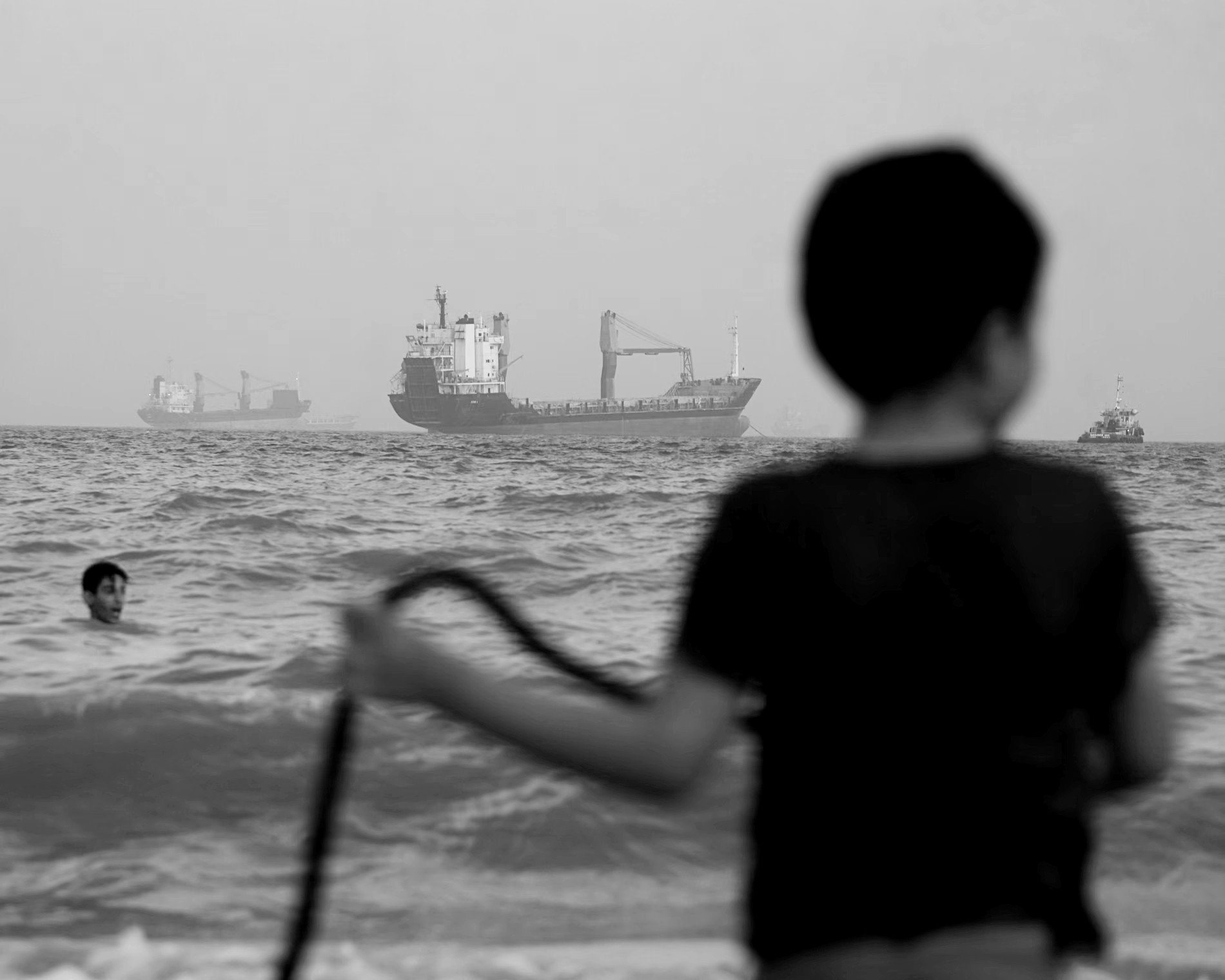
The United States has launched a major naval operation aimed at reopening the Strait of Hormuz after Iran intensified restrictions on commercial shipping, dramatically escalating tensions across the Middle East and raising fears of a broader regional confrontation.
The operation, announced by US President Donald Trump under the name “Project Freedom”, involves American guided-missile destroyers, aircraft and thousands of military personnel positioned around one of the world’s most strategically important waterways.
Washington says the mission is designed to assist stranded commercial vessels and restore freedom of navigation through the narrow maritime corridor that connects the Persian Gulf to global energy markets. Iran, however, has warned that any foreign military presence entering the area without coordination will face direct retaliation.

A critical global chokepoint
The Strait of Hormuz handles a substantial share of the world’s seaborne oil and liquefied natural gas exports. Any disruption immediately affects energy markets, shipping costs and geopolitical stability.
The current crisis follows months of growing confrontation between Iran, the United States and Israel, including attacks on shipping, missile strikes and competing naval operations around the Gulf region.
According to US officials, more than 850 commercial ships and roughly 20,000 seafarers have been affected by the disruption in Gulf shipping lanes. American military commanders stated that “Project Freedom” would initially focus on guiding neutral commercial vessels through safer maritime corridors near Omani waters.
Iranian authorities rejected the US description of the operation, arguing that Tehran remains fully in control of security inside the strait and warning that foreign intervention could violate existing ceasefire understandings.
Military risks increase sharply
The launch of the operation significantly raises the risk of direct military clashes between American and Iranian forces.
US Central Command claimed that American naval and air assets destroyed several Iranian fast-attack boats during early operations near commercial shipping lanes, while Iranian media reported missile exchanges and alleged damage to US vessels. Both sides have disputed elements of the battlefield reporting.
President Trump warned that any attack on American forces or escorted commercial vessels would trigger overwhelming retaliation. Iranian military officials responded by declaring that foreign warships entering the strait without approval would be treated as hostile targets.
The increasingly aggressive rhetoric has alarmed global markets and shipping companies, many of which already face rising insurance costs and rerouting pressures.
Energy markets and global trade under pressure
Oil traders are closely monitoring developments in the Gulf as fears grow over prolonged instability in the region.
Even temporary restrictions in the Strait of Hormuz can significantly affect global energy supplies because major producers including Saudi Arabia, the United Arab Emirates, Kuwait and Qatar depend heavily on the route for exports.
Shipping executives have also raised concerns about mines, drone attacks and missile threats affecting commercial traffic. Several companies are reportedly reconsidering Gulf transit schedules until the security situation becomes clearer.
Asian economies remain particularly exposed due to their heavy dependence on Middle Eastern energy imports, while European markets are also monitoring the risk of renewed inflationary pressure linked to higher fuel costs.
Diplomatic uncertainty grows
While Washington describes “Project Freedom” as a humanitarian and commercial protection mission, critics argue that the operation risks becoming a catalyst for wider war if either side miscalculates military intentions.
Diplomatic efforts between Iran and the United States have so far failed to produce a lasting settlement, and several international actors remain cautious about becoming directly involved in the naval confrontation.
For now, the world’s attention remains fixed on the narrow waters of the Strait of Hormuz — a shipping lane whose stability increasingly appears tied to the broader future of Middle Eastern security and global economic confidence.
Newshub Editorial in Asia – May 5, 2026

If you have an account with ChatGPT you get deeper explanations,
background and context related to what you are reading.
Open an account:
Open an account
Recent Comments