
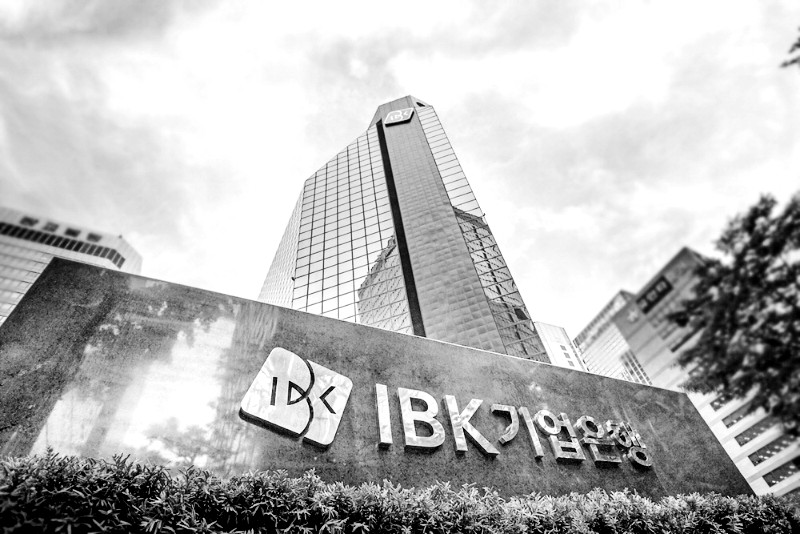
Vietnam has granted its first licence for a wholly foreign-owned bank in more than a decade, approving a locally incorporated subsidiary of Industrial Bank of Korea, marking a significant step in the country’s financial sector liberalisation.
A notable regulatory milestone
The approval allows the South Korean lender to establish a fully owned banking entity within Vietnam, ending a pause that has lasted since 2008. The move reflects a calibrated shift by Vietnamese authorities towards greater openness in the financial sector, while maintaining a controlled regulatory framework.
The newly licensed institution will operate as a domestic bank under Vietnamese law, rather than as a branch, giving it broader operational flexibility. This includes the ability to expand retail and corporate banking services more extensively within the local market.

Strategic implications for Vietnam’s banking sector
The decision is expected to enhance competition within Vietnam’s banking industry, which has historically been dominated by state-owned and domestic commercial banks. The entry of a wholly foreign-owned entity introduces additional capital, international expertise, and advanced banking technologies.
Vietnam’s financial system has undergone gradual reform over the past decade, aligning with the country’s broader economic transformation. Authorities have remained cautious in opening the sector, prioritising stability while encouraging selective foreign participation.
The licensing of Industrial Bank of Korea signals confidence in the resilience of the domestic banking environment and its capacity to integrate with global financial institutions.
Strengthening bilateral economic ties
The move also underscores deepening economic relations between Vietnam and South Korea. South Korean companies represent one of the largest sources of foreign direct investment in Vietnam, spanning manufacturing, technology, and infrastructure.
A locally incorporated bank is expected to support these business flows by providing tailored financial services, facilitating cross-border transactions, and strengthening financial connectivity between the two economies.
Outlook for further liberalisation
While the approval represents a significant development, it does not necessarily indicate a rapid opening of the sector. Vietnamese regulators are likely to continue a cautious, case-by-case approach to foreign bank licensing, balancing growth objectives with financial stability.
Nevertheless, the decision may encourage other international banks to explore opportunities in Vietnam, particularly as the country continues to position itself as a key hub for manufacturing and investment in Southeast Asia.
Over the longer term, increased foreign participation could contribute to the modernisation of Vietnam’s banking infrastructure, improved service offerings, and greater integration into the global financial system.
Newshub Editorial in Asia – April 24, 2026

If you have an account with ChatGPT you get deeper explanations,
background and context related to what you are reading.
Open an account:
Open an accountVietnam has granted its first licence for a wholly foreign-owned bank in more than a decade, approving a locally incorporated subsidiary of Industrial Bank of Korea, marking a significant step in the country’s financial sector liberalisation.
Recent Comments