
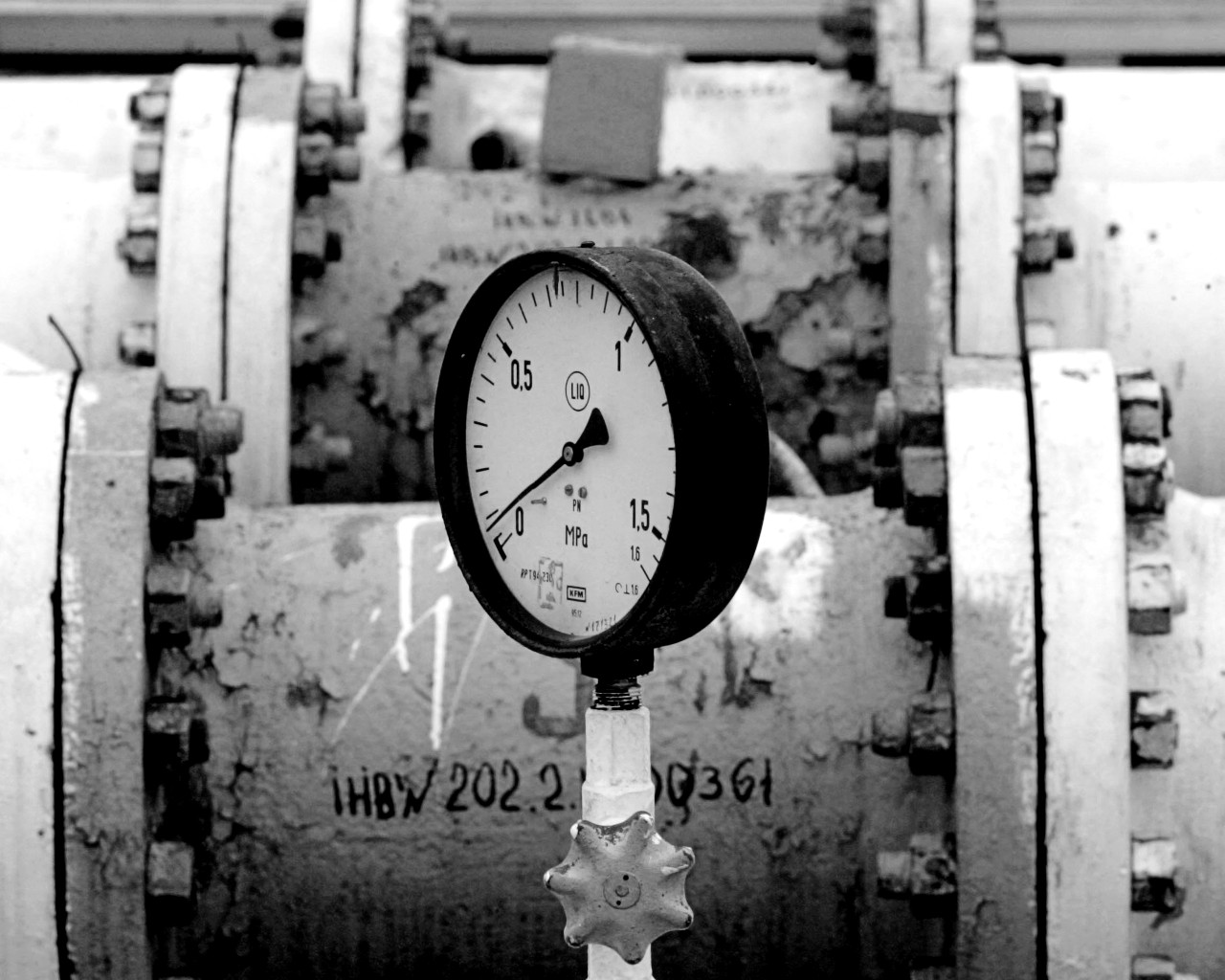
The reopening of the Druzhba pipeline has allowed Russian oil to resume flowing to parts of Europe, with Volodymyr Zelenskyy stating there are now “no grounds” for blocking a proposed €90bn European Union financial package. The development comes amid heightened geopolitical tensions, including warnings of potential large-scale cyberattacks linked to the Kremlin.
Energy flows restore short-term stability
The Druzhba pipeline, one of the largest oil transit routes in Europe, had faced disruptions amid the ongoing conflict involving Russia and Ukraine. Its reopening is expected to provide temporary relief to energy markets, particularly in Central and Eastern Europe, where several economies remain partially dependent on pipeline-delivered crude.
EU financial package gains momentum
The restoration of oil transit removes a key obstacle to the European Union’s proposed €90bn financial package aimed at supporting Ukraine’s economy and reconstruction efforts. Policymakers within the European Union had previously faced divisions over energy security concerns, which are now partially alleviated by the pipeline’s reopening.


Cybersecurity concerns intensify
Alongside developments in energy and finance, Ukrainian officials have warned of the risk of an escalated cyber campaign originating from Moscow. Authorities suggest that critical infrastructure, financial systems, and government networks could be targeted as part of broader hybrid warfare tactics.
Markets weigh geopolitical risk against supply relief
Financial markets are likely to interpret the reopening as a stabilising factor for oil supply in the near term. However, the broader geopolitical landscape remains highly volatile, with ongoing conflict and sanctions continuing to shape investor sentiment and energy pricing.
Strategic implications for Europe’s energy transition
While the resumed flow of Russian oil provides immediate supply reassurance, it also underscores Europe’s continued exposure to external energy sources. The situation is expected to reinforce long-term efforts to diversify energy imports and accelerate the transition toward renewable energy systems.
Outlook: fragile stability amid persistent tensions
The reopening of the Druzhba pipeline marks a tactical easing of pressure but does not resolve underlying geopolitical risks. As the conflict enters its prolonged phase, attention will remain focused on both economic support mechanisms and the evolving nature of hybrid threats, including cyber warfare.
Newshub Editorial in Europe – April 22, 2026

If you have an account with ChatGPT you get deeper explanations,
background and context related to what you are reading.
Open an account:
Open an accountThe reopening of the Druzhba pipeline has allowed Russian oil to resume flowing to parts of Europe, with Volodymyr Zelenskyy stating there are now “no grounds” for blocking a proposed €90bn European Union financial package. The development comes amid heightened geopolitical tensions, including warnings of potential large-scale cyberattacks linked to the Kremlin.
Recent Comments