
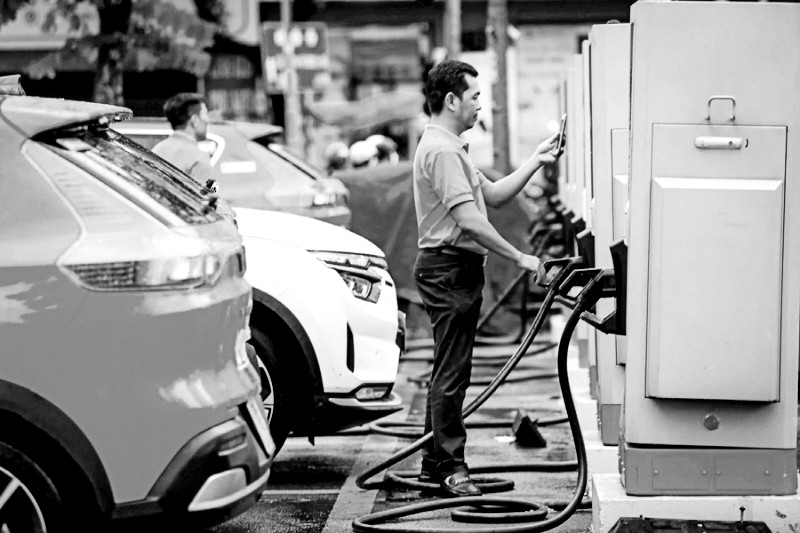
Vietnam’s electric vehicle market is gaining momentum as concerns over traditional energy supplies and environmental sustainability drive increased interest in cleaner transport solutions. However, despite growing investment and policy support, a number of structural challenges remain that could slow the pace of adoption across the country.
Energy security concerns accelerate transition
Rising pressure on fossil fuel supplies, combined with urban pollution and climate commitments, has pushed Vietnam to explore alternative mobility solutions. Electric vehicles (EVs) are increasingly viewed as a strategic component of the country’s long-term energy and transport planning, aligning with broader global trends toward decarbonisation.
Infrastructure gaps remain a key barrier
One of the most significant obstacles to EV adoption in Vietnam is the limited availability of charging infrastructure. While major cities have begun to see the rollout of charging stations, nationwide coverage remains insufficient. This creates range anxiety among consumers and limits the practicality of EV ownership outside urban centres.

Grid capacity and energy mix under scrutiny
The effectiveness of Vietnam’s EV transition is also closely tied to the capacity and composition of its electricity grid. While EVs reduce tailpipe emissions, the environmental benefits depend on how electricity is generated. Vietnam continues to rely partly on coal and other fossil fuels, raising questions about the net impact of widespread EV adoption unless renewable energy capacity expands in parallel.
Cost and affordability challenges persist
Although interest in EVs is rising, affordability remains a critical issue. Electric vehicles typically carry higher upfront costs compared to conventional vehicles, making them less accessible for a large portion of the population. Government incentives and local manufacturing efforts are expected to play a key role in narrowing this gap over time.
Domestic industry development gains traction
Local manufacturers, including VinFast, are actively investing in EV production and technology development. These efforts are supported by government initiatives aimed at building a domestic EV ecosystem, including battery production and supply chain integration. Such developments could strengthen Vietnam’s position within regional and global EV markets.
Regulatory and policy clarity needed
While the government has signalled strong support for electric mobility, clearer regulatory frameworks are required to ensure consistent market development. Policies related to incentives, taxation, infrastructure standards, and environmental targets will be critical in shaping investor confidence and consumer adoption.
Outlook: balancing ambition with execution
Vietnam’s EV market sits at a pivotal stage, with strong underlying drivers but significant execution challenges. Addressing infrastructure, energy, and affordability constraints will be essential to unlocking long-term growth. As global demand for sustainable transport continues to rise, Vietnam’s ability to align policy, investment, and industrial capacity will determine whether it can fully capitalise on the electric vehicle transition.
Newshub Editorial in Asia – April 22, 2026

If you have an account with ChatGPT you get deeper explanations,
background and context related to what you are reading.
Open an account:
Open an accountVietnam’s electric vehicle market is gaining momentum as concerns over traditional energy supplies and environmental sustainability drive increased interest in cleaner transport solutions. However, despite growing investment and policy support, a number of structural challenges remain that could slow the pace of adoption across the country.
Recent Comments