
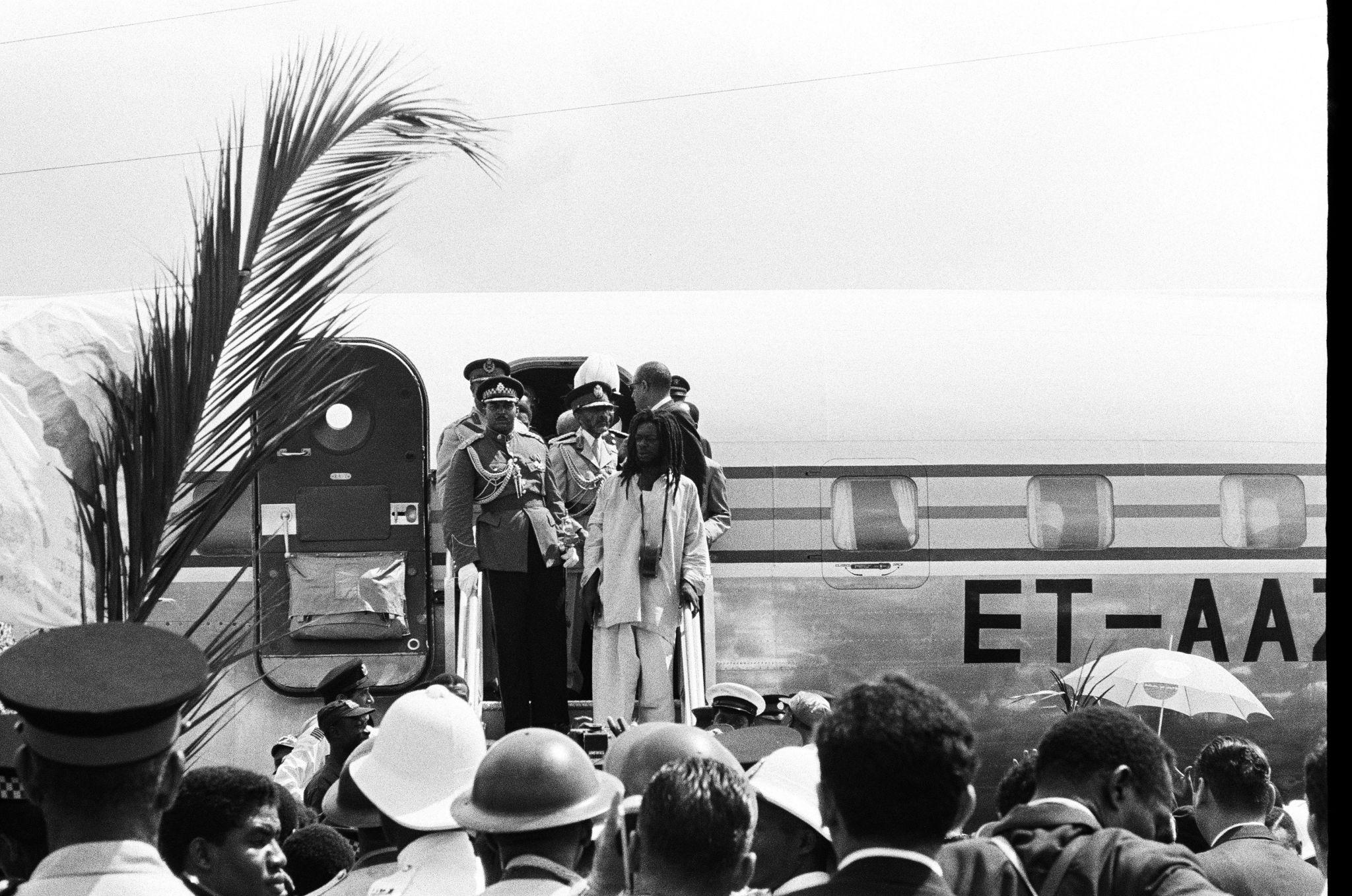
On 21 April 1966, Haile Selassie I, Emperor of Ethiopia, arrived in Kingston to a reception unlike any other, greeted by tens of thousands of Rastafarians who revered him as a divine figure and the living embodiment of prophecy. The visit marked a defining moment in both Jamaican cultural history and the global identity of the Rastafari movement.
A moment of spiritual significance
The emperor’s arrival at Kingston’s airport was met with scenes of extraordinary devotion. An estimated 100,000 people gathered, overwhelming security and halting formal proceedings. Many in the crowd had waited for years, convinced that Selassie’s presence would fulfil long-held beliefs rooted in biblical interpretation and African redemption. For followers of Rastafari, Selassie was not merely a political leader but the returned Messiah, often associated with the Second Coming of Christ.
The event became a powerful symbol of cultural affirmation for Jamaica’s marginalised communities. Emerging in the 1930s among descendants of enslaved Africans, the Rastafari movement had long embraced Selassie—crowned Emperor in 1930—as a central figure in its theology. His titles, including “King of Kings” and “Lion of Judah,” were seen as direct links to scriptural prophecy.

Diplomacy meets devotion
Despite the fervour surrounding him, Haile Selassie approached the visit as a diplomatic mission. His itinerary included meetings with Jamaican officials, discussions on development and African unity, and engagements with political leaders. However, the overwhelming spiritual reception reshaped the visit’s tone, blurring the lines between state diplomacy and religious pilgrimage.
A notable figure during the visit was Mortimer Planno, a respected Rastafarian elder who played a crucial role in calming the crowd upon the emperor’s arrival. Planno’s intervention allowed Selassie to proceed safely and symbolised a rare moment of recognition between the movement and the Ethiopian state.
Global cultural resonance
The visit had lasting implications far beyond Jamaica. It elevated the Rastafari movement’s visibility and legitimacy, transforming it from a marginalised belief system into a recognised cultural force. In the decades that followed, Rastafarian philosophy—centred on African identity, resistance to oppression, and spiritual liberation—would spread globally, carried in part by the rise of reggae music and figures such as Bob Marley.
Selassie himself never publicly claimed divinity, maintaining a position consistent with his role as a Christian monarch of the Ethiopia. Yet, his visit to Jamaica reinforced the deep spiritual bond between the emperor and his followers, even as interpretations of his role differed.
Legacy and interpretation
Today, the 1966 visit is remembered as a defining intersection of faith, identity, and geopolitics. It underscored the enduring impact of diaspora connections between Africa and the Caribbean, while also highlighting the power of belief in shaping historical narratives.
For Jamaica, the day remains a landmark in its cultural history. For Rastafarians worldwide, it is a sacred anniversary—a moment when prophecy, in their view, stepped onto Caribbean soil.
Newshub Editorial in North America – April 21, 2026

If you have an account with ChatGPT you get deeper explanations,
background and context related to what you are reading.
Open an account:
Open an account
Recent Comments