
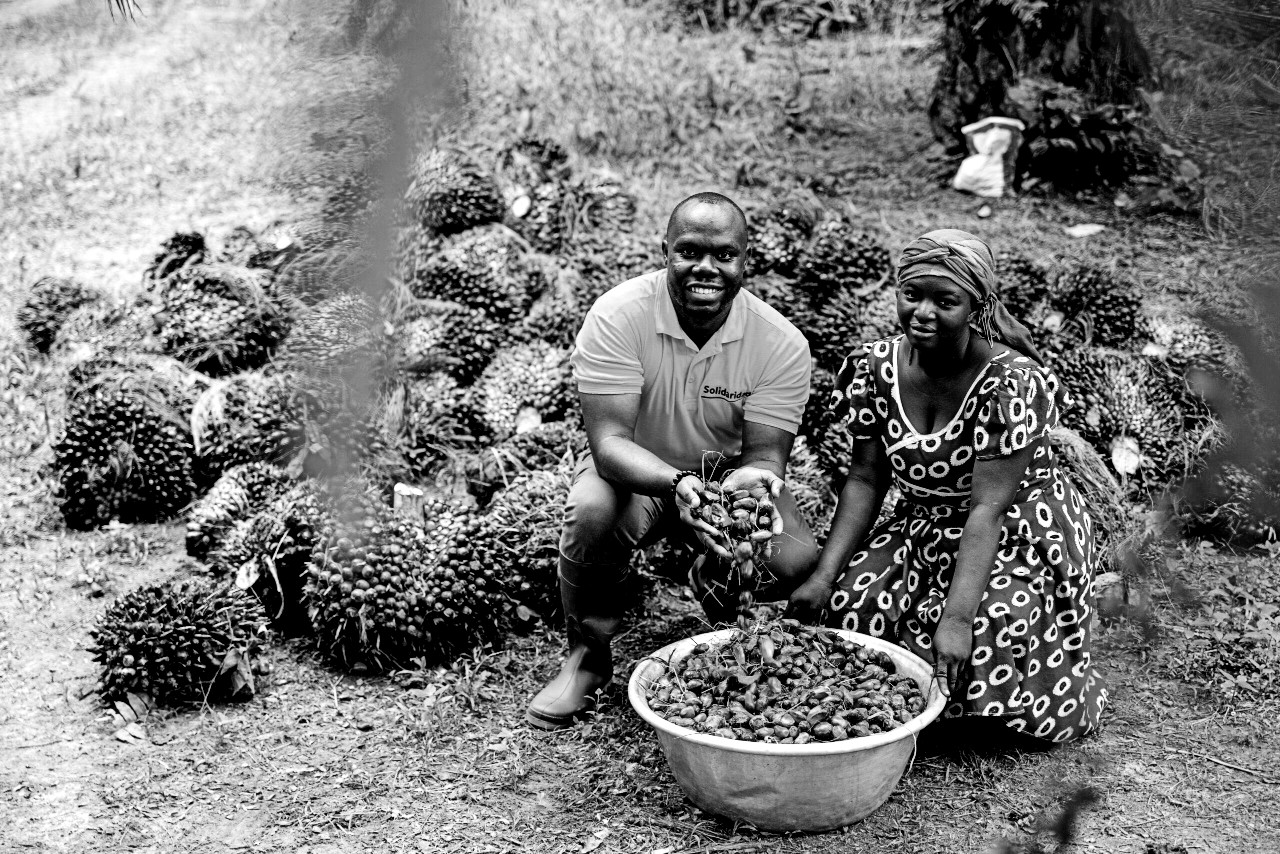
As African nations accelerate palm oil production to boost food security and economic growth, policymakers face a critical challenge: how to avoid the environmental and social pitfalls experienced in Asia’s rapid expansion.
Rising demand drives African ambitions
Palm oil has become a strategic agricultural commodity across parts of Africa, with governments seeking to reduce costly imports and strengthen domestic supply chains. Consumption continues to rise, driven by population growth and increasing use in food processing, cosmetics, and biofuels.
Countries such as Nigeria, Ghana, and Côte d’Ivoire are positioning palm oil as a key driver of rural development and export potential. Investment is flowing into plantations, processing facilities, and logistics infrastructure to scale production.

Lessons from Asia’s expansion
The global palm oil industry has long been dominated by Indonesia and Malaysia, where rapid growth over recent decades has come at a significant environmental cost. Large-scale deforestation, biodiversity loss, and carbon emissions have drawn widespread criticism and regulatory scrutiny.
These outcomes have become a cautionary example for Africa, highlighting the risks of prioritising short-term economic gains over sustainable land management.
Balancing growth with sustainability
African policymakers are increasingly emphasising the need for a more balanced approach. Strategies under consideration include limiting expansion into primary forests, promoting smallholder inclusion, and adopting international sustainability standards.
There is also growing interest in improving yields on existing farmland rather than expanding into new areas, a move that could reduce environmental impact while maintaining production growth.
Financing and governance challenges
Achieving sustainable expansion will require strong governance frameworks and access to responsible financing. Weak land tenure systems, limited regulatory enforcement, and fragmented supply chains remain key obstacles in several African markets.
International investors and development institutions are playing a role in shaping best practices, often linking funding to environmental and social compliance. This could help ensure that growth in the sector aligns with global sustainability expectations.
A strategic opportunity with global implications
If managed effectively, Africa’s palm oil expansion could provide a model for sustainable agricultural development. By learning from Asia’s experience, the continent has the opportunity to build an industry that supports economic growth without replicating environmental degradation.
However, failure to implement robust safeguards could lead to similar long-term challenges, including ecosystem damage and reputational risks in global markets.
The path forward remains critical
The trajectory of Africa’s palm oil sector will depend on policy decisions made today. With demand set to grow, the balance between development and sustainability will define whether the continent can chart a different course from Asia—or repeat its mistakes.
Newshub Editorial in Africa – April 18, 2026
Recent Comments