
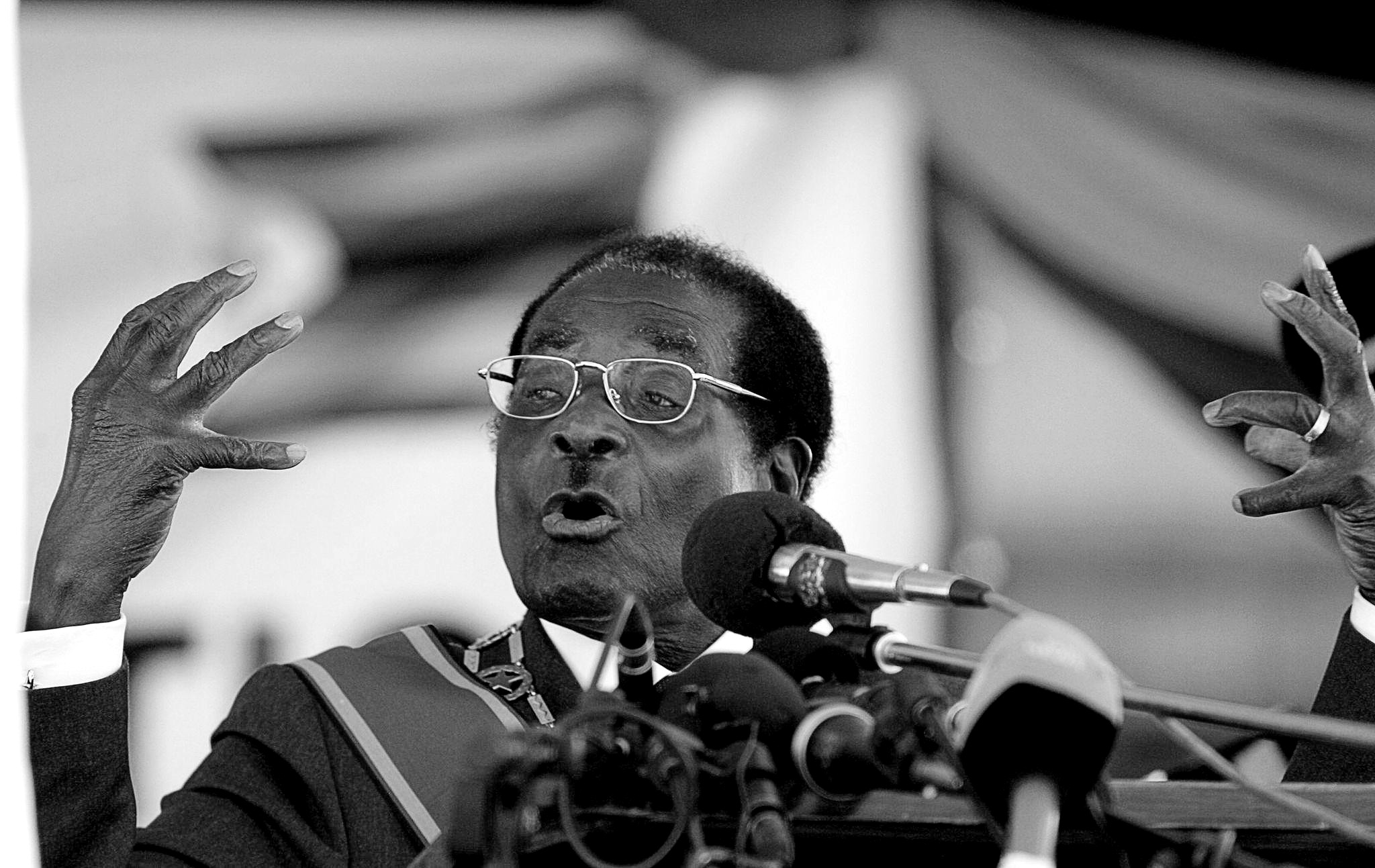
Zimbabwe’s independence from the United Kingdom, formally declared on 18 April 1980, stands as a defining moment in Africa’s post-colonial transformation, ending nearly a century of colonial rule and ushering in a new era of majority governance.
From colonial rule to liberation struggle
Formerly known as Southern Rhodesia, Zimbabwe had been under British colonial control since the late 19th century, governed by a white minority regime that declared unilateral independence in 1965 to resist majority rule. This move led to international isolation and sanctions, intensifying internal resistance. Over the following years, nationalist movements, including those led by Robert Mugabe and Joshua Nkomo, mobilised armed struggle and political pressure to dismantle minority rule.
The conflict, often referred to as the Rhodesian Bush War, became a focal point of Cold War geopolitics, drawing regional and international attention. Guerrilla campaigns, combined with diplomatic negotiations, gradually forced a shift towards a settlement.

The Lancaster House Agreement and transition
A breakthrough came with the Lancaster House Agreement, signed in London in December 1979. The agreement laid the groundwork for a ceasefire, democratic elections, and the drafting of a new constitution. It also temporarily returned the territory to British control to oversee the transition process.
Elections held in early 1980 resulted in a decisive victory for Mugabe’s party, the Zimbabwe African National Union – Patriotic Front (ZANU-PF). On 18 April 1980, Zimbabwe officially gained independence, with Mugabe becoming the country’s first Prime Minister.
A moment of optimism and global recognition
Independence was marked by widespread celebration across the country and recognition from the international community. Leaders from around the world attended the independence ceremony in the capital, Harare, signalling Zimbabwe’s reintegration into global affairs after years of isolation.
At the time, Zimbabwe was seen as a country with strong economic potential, boasting a diversified agricultural sector, mineral wealth, and relatively advanced infrastructure compared to many of its regional peers. The early years of independence were characterised by investments in education and healthcare, contributing to notable improvements in social indicators.
Long-term implications and evolving legacy
While independence brought political sovereignty and initial economic promise, Zimbabwe’s subsequent trajectory has been complex. Economic challenges, land reform controversies, and political tensions have shaped the country’s development over the decades. Nonetheless, the achievement of independence remains a cornerstone of national identity and pride.
Today, Zimbabwe’s independence is commemorated annually as Zimbabwe Independence Day, reflecting both the sacrifices made during the liberation struggle and the enduring aspirations for stability and prosperity.
Historical significance in a broader context
Zimbabwe’s transition to independence forms part of the wider wave of decolonisation that reshaped Africa in the mid-to-late 20th century. It highlighted both the possibilities and challenges of nation-building in post-colonial states, offering lessons that continue to resonate across the continent.
Newshub Editorial in Africa – April 18, 2026

If you have an account with ChatGPT you get deeper explanations,
background and context related to what you are reading.
Open an account:
Open an account
Recent Comments