
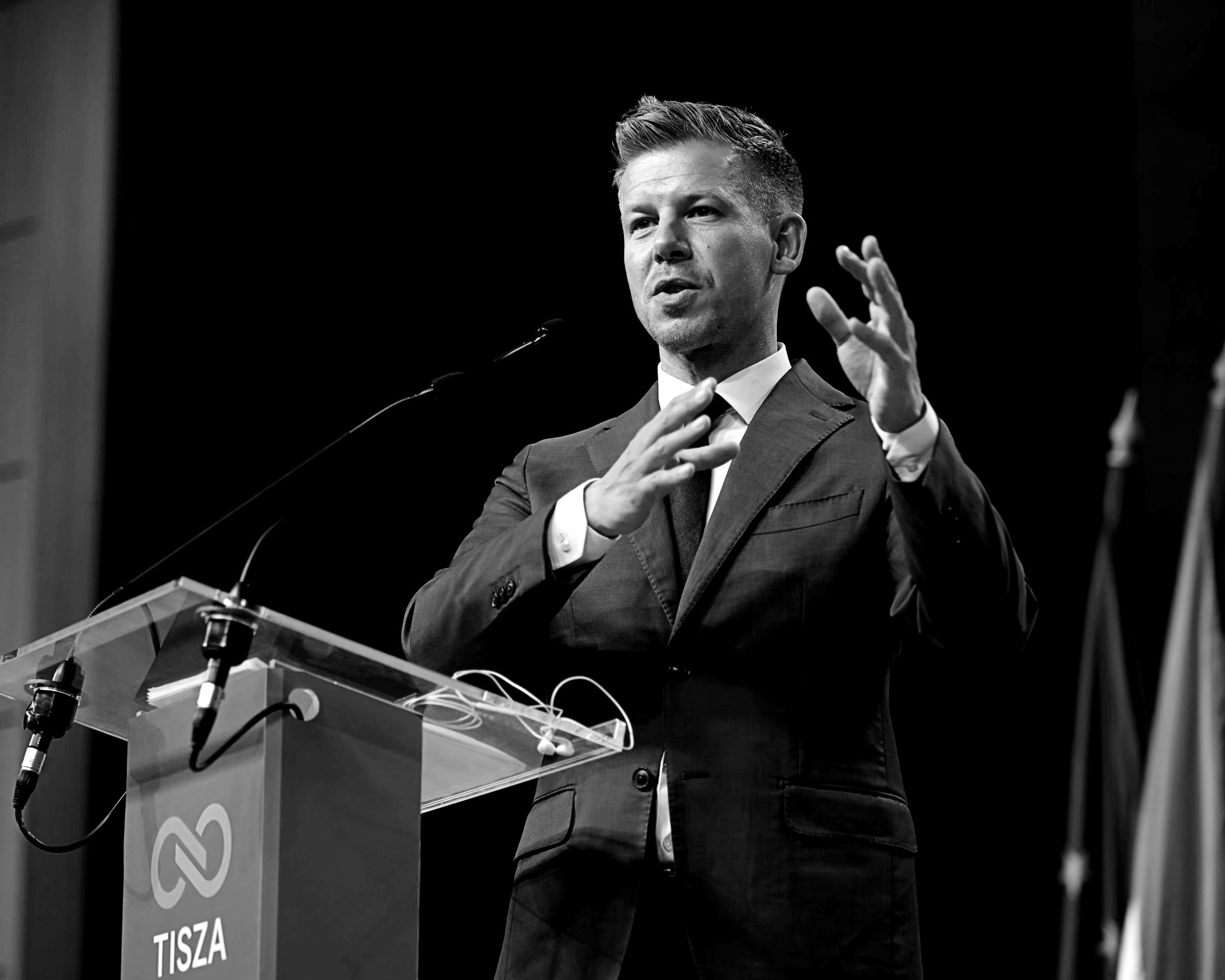
Hungary’s prime minister-elect Péter Magyar has pledged to pursue those he accuses of having “plundered” the country, following a decisive election victory that ends the long rule of Viktor Orbán. The result signals a major political shift in Central Europe, with Magyar promising institutional reform, economic transparency and a “new era” for Hungary.
A decisive political turning point
Magyar’s victory marks the first time in more than a decade that Orbán and his political network have been unseated from power. Campaigning on an anti-corruption platform, Magyar capitalised on growing frustration over governance, public spending and perceived erosion of democratic checks and balances.
In his victory speech, he framed the election as a mandate for accountability, stating that those responsible for misusing public resources would be investigated. The rhetoric suggests a sweeping review of past state contracts, procurement processes and financial flows linked to the previous administration.

Promise of accountability and reform
Central to Magyar’s agenda is a commitment to restore institutional independence and strengthen oversight mechanisms. He has indicated that Hungary’s judiciary, regulatory bodies and public institutions will be restructured to ensure greater transparency and compliance with European standards.
The pledge to “pursue” those who allegedly enriched themselves during Orbán’s tenure is likely to translate into formal investigations, audits and potential legal proceedings. Analysts caution, however, that the process will need to be carefully managed to avoid perceptions of political retribution.
Economic reset in focus
Beyond governance, Magyar has outlined plans for economic stabilisation and renewed investor confidence. Hungary has faced pressure from inflation, currency volatility and strained relations with European partners in recent years.
By signalling a shift toward rule-based governance and improved relations with the European Union, the incoming administration aims to unlock investment flows and stabilise the macroeconomic environment. Markets are expected to watch closely for early policy signals, particularly regarding fiscal discipline and regulatory reform.
Orbán era comes to an end
Orbán’s defeat represents a significant moment in European politics. Having led Hungary for much of the past decade and a half, he built a political model centred on strong executive control and national sovereignty, often clashing with EU institutions.
His removal from office raises questions about the durability of similar political movements across the region and whether Hungary’s shift could influence broader Central and Eastern European dynamics.
A fragile transition ahead
Despite the scale of the victory, Magyar faces a complex transition. Delivering on promises of reform while maintaining political stability will require careful coalition management and institutional cooperation.
The coming months will be critical in determining whether Hungary can successfully pivot toward a more transparent and growth-oriented model. For now, Magyar’s message is clear: the election result is not only a change of leadership, but the start of a fundamental reset of the country’s political and economic framework.
Newshub Editorial in Europe – 14 April 2026

If you have an account with ChatGPT you get deeper explanations,
background and context related to what you are reading.
Open an account:
Open an account
Recent Comments