
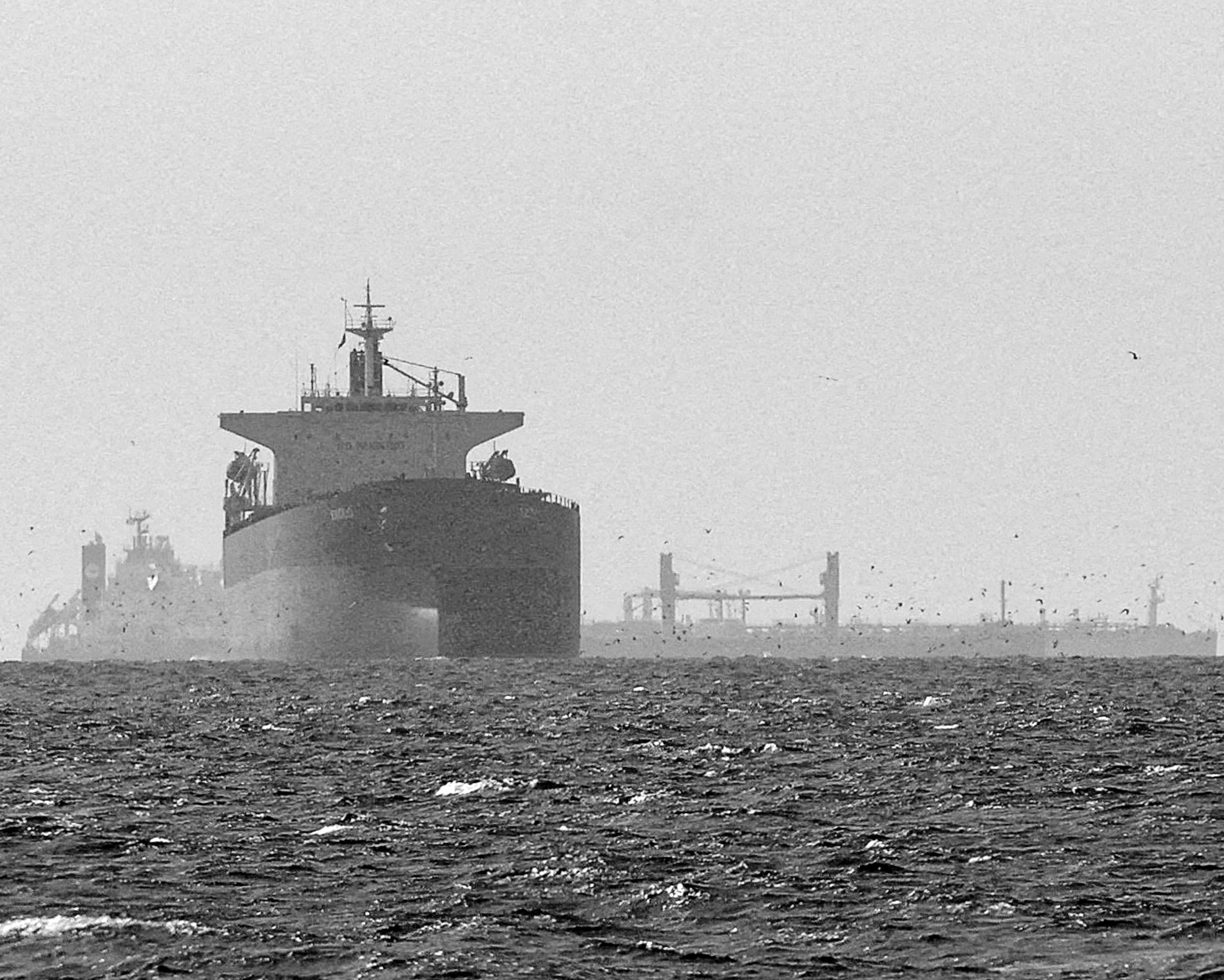
The United States has launched a naval blockade targeting all maritime traffic entering and leaving Iranian ports, marking a significant escalation in the ongoing confrontation between Washington and Tehran. The move follows the collapse of peace talks and immediately raises concerns over global energy markets and regional stability.
Blockade takes effect after failed diplomacy
The blockade came into force on Monday after negotiations between the United States and Iran failed to produce an agreement. U.S. Central Command confirmed that the operation applies to vessels of all nations travelling to or from Iranian ports, while allowing unrelated ships to continue transiting the strategically vital Strait of Hormuz.
Washington’s objective is clear: to cut off Iran’s oil exports and exert maximum economic pressure. Analysts estimate that the move could remove up to 2 million barrels of oil per day from global markets, tightening supply at a time when energy prices are already rising.

Iran warns of economic consequences
Tehran has condemned the blockade as illegal and warned that it will have direct consequences for global consumers, particularly in the form of higher fuel prices. Iranian officials argue that restricting exports from a major oil producer will inevitably push crude prices higher, with knock-on effects at the pump worldwide.
Oil prices have already surged above $100 per barrel in early trading following the announcement, reflecting market fears of prolonged disruption in one of the world’s most critical energy corridors.
Rising tensions in the Strait of Hormuz
The blockade centres on the Strait of Hormuz, a chokepoint through which a significant share of global oil shipments typically pass. While the U.S. has stated that neutral shipping will not be targeted, overall traffic in the region has declined sharply amid heightened military risk.
Iran has warned that any threat to its ports could trigger retaliation across the Gulf, raising the risk of a broader regional confrontation. Military analysts note that the situation remains highly volatile, with both sides maintaining forces in close proximity.
Limited international backing
The U.S. action appears largely unilateral. Key European allies, including the United Kingdom and France, have declined to participate militarily, instead advocating for diplomatic solutions or potential peacekeeping efforts.
This lack of broad coalition support underscores the geopolitical sensitivity of the move, particularly given its potential to disrupt global trade and energy flows.
Global implications beyond the Gulf
Beyond the immediate military dimension, the blockade is expected to have far-reaching economic consequences. Higher energy prices could fuel inflation globally, placing additional pressure on already fragile economies. Emerging markets, in particular, may face increased vulnerability due to their dependence on imported fuel.
At the same time, the blockade highlights a broader strategic shift: the use of maritime control not just as a military tool, but as an economic lever in geopolitical conflicts. Whether it succeeds in forcing concessions from Tehran remains uncertain, but its impact on global markets is already being felt.
Newshub Editorial in Asia – 14 April 2026

If you have an account with ChatGPT you get deeper explanations,
background and context related to what you are reading.
Open an account:
Open an account
Recent Comments