
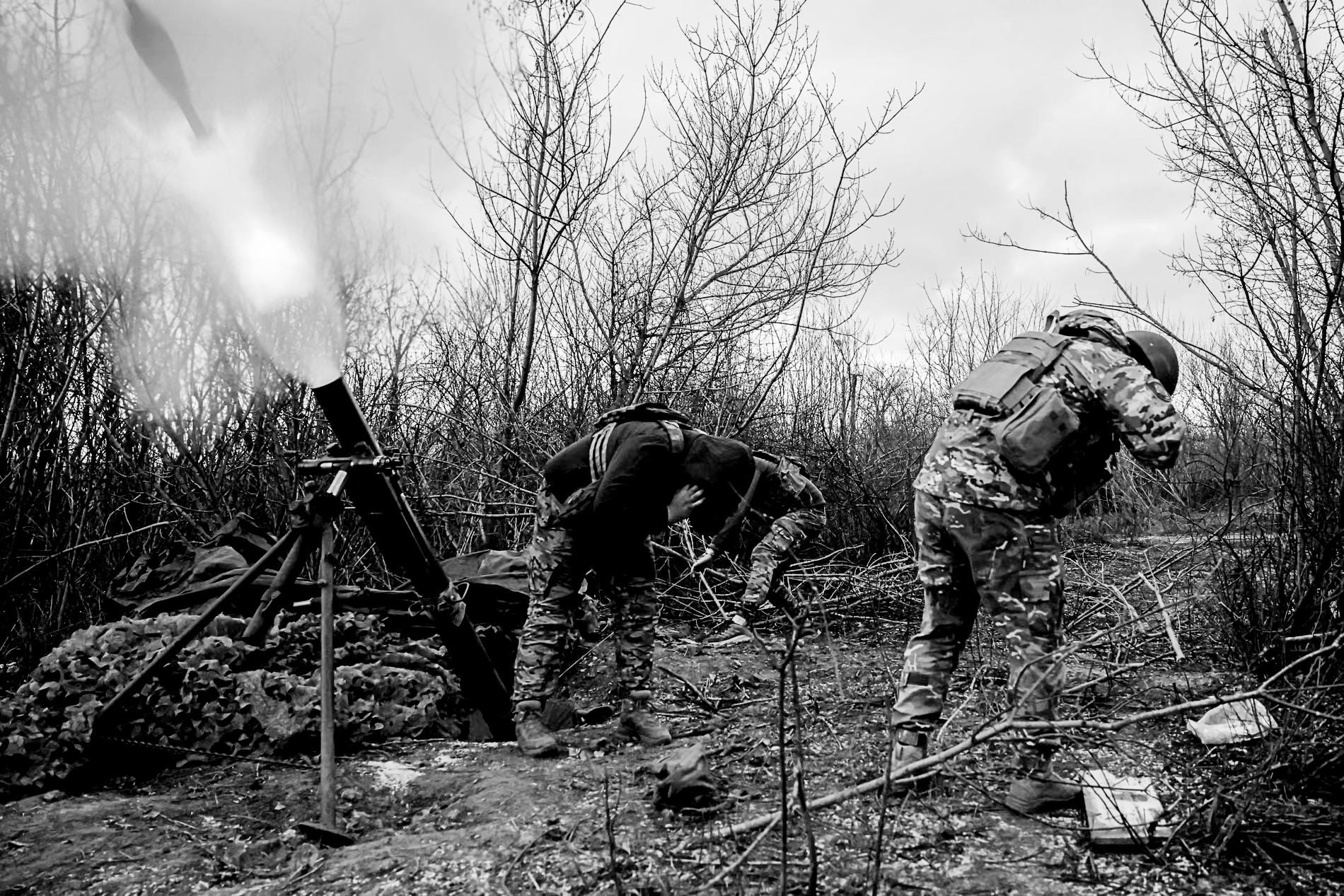
The Russian army has recorded almost no territorial gains in Ukraine for the first time since 2023, according to recent battlefield analysis, signalling a marked slowdown in Moscow’s offensive momentum after more than two years of sustained conflict.
A shift in battlefield dynamics
The latest assessments indicate that Russian forces have struggled to advance along key фронts in eastern Ukraine, particularly in heavily contested regions such as Donetsk. While small-scale assaults continue, the absence of meaningful territorial change suggests that the conflict is entering a more static phase.
This development marks a departure from earlier periods in which Russian forces, despite high casualties, were able to secure incremental gains through sustained pressure. Analysts now point to increasingly resilient Ukrainian defensive lines, supported by improved coordination, fortifications and continued Western military assistance.


Attrition replaces manoeuvre
Rather than rapid advances, the war has increasingly become one of attrition. Both sides are engaged in prolonged artillery exchanges, drone warfare and limited tactical offensives, with neither able to achieve a decisive breakthrough.
Russian strategy has relied heavily on mass mobilisation and persistent assaults, often at significant human and material cost. However, the diminishing returns of this approach are becoming evident, as heavily fortified Ukrainian positions absorb and repel repeated attacks.
At the same time, Ukraine has focused on degrading Russian logistics, command structures and supply lines, limiting Moscow’s ability to sustain offensive operations at scale.
Operational constraints and resource pressure
Several factors appear to be constraining Russia’s ability to advance. These include ammunition shortages, logistical bottlenecks and the cumulative impact of sustained losses over an extended period. Seasonal conditions and terrain have also played a role, complicating mechanised operations.
In addition, Ukraine’s increasing use of precision strikes and long-range capabilities has disrupted key infrastructure behind Russian lines, further reducing operational effectiveness.
While Russia retains significant manpower and resources, the current phase of the conflict suggests that these advantages are no longer translating into consistent territorial gains.
Strategic implications for both sides
For Ukraine, the slowdown in Russian advances provides an opportunity to stabilise frontlines and potentially prepare for future counteroffensive operations. Maintaining defensive cohesion while continuing to target Russian vulnerabilities remains central to Kyiv’s strategy.
For Moscow, the lack of progress raises questions about the sustainability of its current approach. Prolonged stagnation could increase domestic and international pressure, while also forcing a reassessment of military objectives and tactics.
The broader geopolitical implications are also significant. A stalled front reduces the likelihood of a swift resolution and reinforces the prospect of a prolonged conflict, with continued economic and security repercussions across Europe and beyond.
A war entering a new phase
The apparent halt in Russian territorial gains does not signal an end to the conflict, but rather a transition into a more entrenched and complex phase. With both sides adapting to evolving conditions, the war is increasingly defined by endurance, resource management and strategic positioning.
As the situation develops, the absence of clear momentum on either side underscores the difficulty of achieving decisive outcomes in modern, high-intensity warfare — particularly when both parties remain committed and capable.
Newshub Editorial in Europe – April 6, 2026

If you have an account with ChatGPT you get deeper explanations,
background and context related to what you are reading.
Open an account:
Open an accountThe Russian army has recorded almost no territorial gains in Ukraine for the first time since 2023, according to recent battlefield analysis, signalling a marked slowdown in Moscow’s offensive momentum after more than two years of sustained conflict.
Recent Comments