
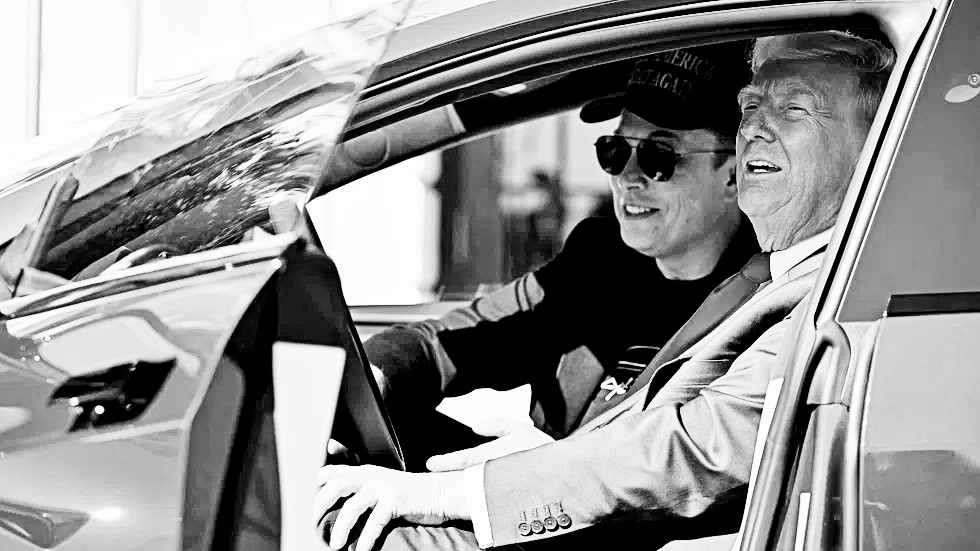
Tesla has reported a rise in vehicle sales over the past three months, signalling a tentative recovery following a difficult year marked by consumer boycotts linked to the political positions of its chief executive, Elon Musk. Despite the uptick, the figures fell short of market expectations, underscoring ongoing challenges for the electric vehicle maker.
A fragile recovery after reputational headwinds
The latest delivery numbers suggest that Tesla may be stabilising after a period of reputational pressure. Throughout the past year, Musk’s increasingly polarising public stance on political and social issues triggered consumer backlash in key markets, particularly in parts of Europe and North America.
This translated into softer demand, cancellations, and a shift in brand perception. For a company that has long relied on strong customer loyalty and aspirational positioning, the impact was notable.

The recent increase in sales indicates that some of this pressure may be easing. However, analysts caution that the recovery remains fragile, with demand still below earlier growth trajectories.
Falling short of expectations signals deeper issues
While sales improved on a quarterly basis, they did not meet analyst forecasts. This gap highlights structural challenges beyond short-term sentiment.
Competition in the electric vehicle market has intensified significantly. Legacy automakers and new entrants alike have accelerated their EV strategies, offering a broader range of models across price segments. In China, domestic manufacturers continue to gain market share with competitive pricing and rapid innovation cycles.
At the same time, Tesla’s pricing strategy — including aggressive discounts in recent periods — has raised concerns about margin compression. Balancing volume growth with profitability remains a central tension.
Brand, leadership, and market perception
Tesla’s identity has historically been closely tied to Musk himself. While this has driven innovation and investor enthusiasm, it also creates exposure when leadership becomes a source of controversy.
The past year has illustrated how quickly brand perception can shift when corporate leadership is seen as politically divisive. For global companies operating across diverse markets, maintaining a neutral or broadly acceptable public stance is often critical.
Tesla now faces the task of rebuilding trust in segments where sentiment has weakened, while continuing to expand in highly competitive environments.
Looking ahead: execution will define the next phase
The modest rebound in sales offers a potential turning point, but it does not yet confirm a full recovery. Future performance will depend on several factors: product pipeline execution, pricing discipline, and the company’s ability to navigate an increasingly crowded EV landscape.
Additionally, macroeconomic conditions — including interest rates and consumer financing costs — will continue to influence demand for high-value purchases such as electric vehicles.
For Tesla, the coming quarters will be decisive. The company must demonstrate that it can sustain growth without relying solely on price adjustments, while also stabilising its brand position.
The broader implication is clear: even market leaders are not immune to shifts in consumer sentiment, competitive dynamics, and leadership perception. Tesla’s next chapter will be defined not just by technology, but by execution and strategic balance.
Newshub Editorial in North America – April 4, 2026

If you have an account with ChatGPT you get deeper explanations,
background and context related to what you are reading.
Open an account:
Open an account
Recent Comments