
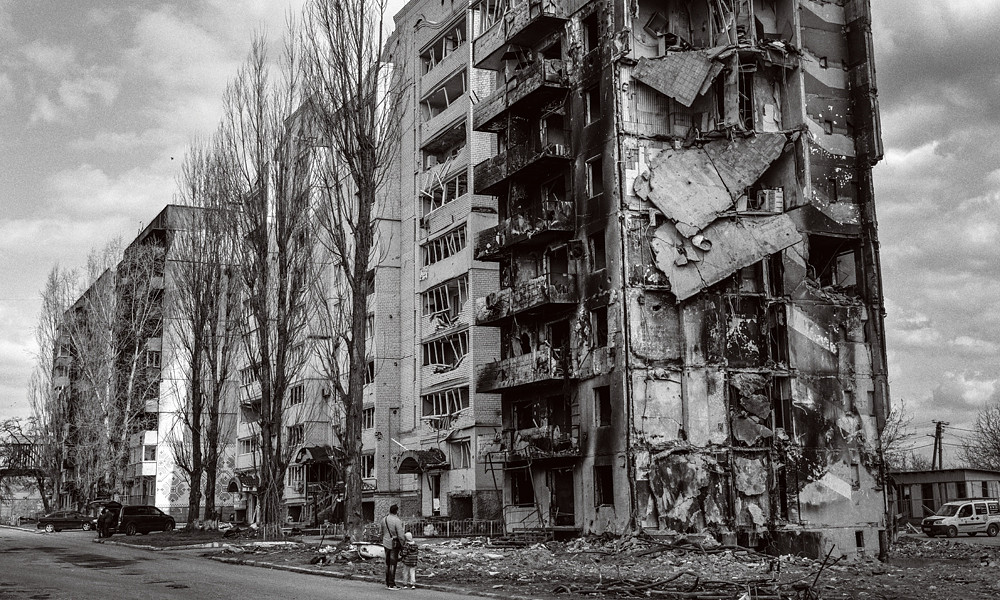
Russia responded to Ukraine’s proposed Easter truce with a wave of drone attacks, underscoring the continued intensity of the conflict and diminishing hopes for a temporary humanitarian pause.
Zelenskyy’s truce proposal falls flat
Ukrainian president Volodymyr Zelenskyy had called for a temporary ceasefire over the Easter period, framing it as a humanitarian gesture aimed at reducing civilian suffering and creating space for potential diplomatic engagement. The proposal echoed earlier attempts to secure limited pauses in fighting during significant religious or cultural observances.
However, Moscow did not formally accept the initiative. Instead, Russian forces launched drone strikes across multiple regions of Ukraine, signalling a rejection of the truce and reinforcing a strategy of sustained military pressure.

Drone warfare intensifies across key regions
The latest wave of attacks involved unmanned aerial vehicles targeting infrastructure and urban areas, a tactic that has become central to Russia’s operational approach. Ukrainian authorities reported air defence activity overnight, with several drones intercepted, though some strikes caused damage to energy facilities and residential zones.
The continued reliance on drone warfare highlights the evolving nature of the conflict, where relatively low-cost systems are used to maintain constant pressure and disrupt critical infrastructure. This approach has placed additional strain on Ukraine’s energy grid and civilian resilience.
Symbolism of Easter overshadowed by escalation
The rejection of an Easter truce carries symbolic weight, given the religious significance of the period in both Ukraine and Russia. Historically, such moments have occasionally provided openings for limited ceasefires, even in protracted conflicts.
In this case, however, the escalation suggests that both sides remain focused on strategic positioning rather than symbolic gestures. The absence of even a temporary pause reflects the deepening entrenchment of hostilities and the limited scope for near-term de-escalation.
International reaction and diplomatic implications
Ukraine’s allies have continued to call for restraint and renewed diplomatic efforts, but the latest developments are likely to reinforce concerns that the conflict remains locked in a prolonged phase. The failure to secure a short-term truce may also complicate future negotiations, as trust between the parties continues to erode.
At the same time, the persistence of attacks during a proposed ceasefire window may influence international perceptions, shaping narratives around accountability and willingness to engage in humanitarian measures.
Outlook remains firmly uncertain
With no truce in place and military activity ongoing, the conflict shows little sign of easing. The continued use of drone strikes and the rejection of symbolic ceasefire proposals suggest that both sides are preparing for an extended period of confrontation.
For global observers and markets alike, the situation remains a source of geopolitical risk, with potential implications for energy flows, regional stability, and broader security dynamics in Europe.
Newshub Editorial in Europe – April 3, 2026

If you have an account with ChatGPT you get deeper explanations,
background and context related to what you are reading.
Open an account:
Open an account
Recent Comments