
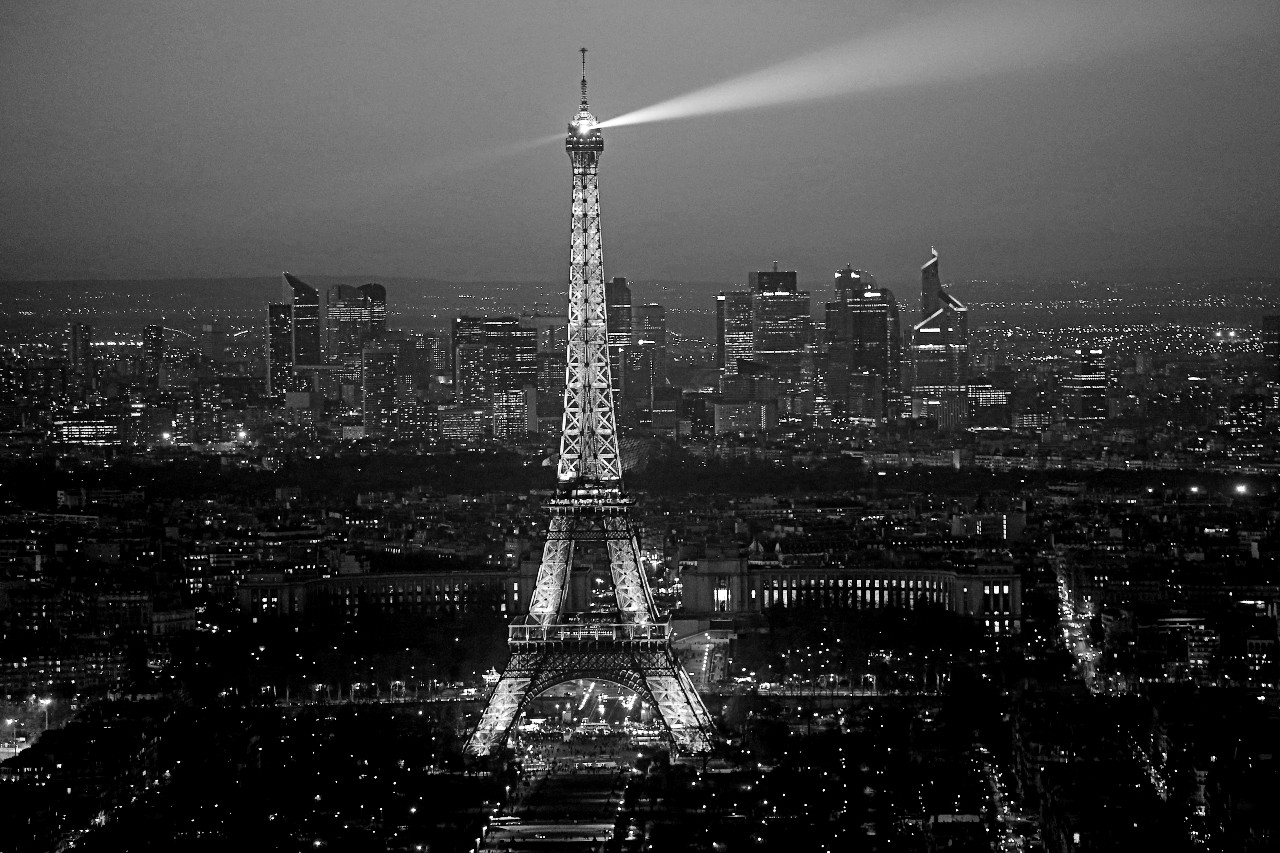
The Eiffel Tower was officially inaugurated on 31 March 1889, when engineer Gustave Eiffel led dignitaries and journalists to the top of the structure, raising the French flag in a symbolic gesture of national pride. The tower had been constructed as the centrepiece of the 1889 World’s Fair, celebrating the centenary of the French Revolution.
At the time, the structure was controversial, criticised by artists and intellectuals who saw it as an industrial intrusion into Paris’s classical skyline. Yet, within months, it became a major public attraction, drawing nearly two million visitors during the exposition alone.
From controversy to global symbol

Today, the Eiffel Tower stands as one of the most recognisable landmarks in the world and a defining symbol of Paris. Its transformation—from a temporary exhibition structure to a permanent cultural icon—reflects broader shifts in how innovation and engineering are perceived in urban identity.
Each year on 31 March, the city observes what is commonly known as “Eiffel Tower Day”, celebrating the tower’s inauguration and its enduring legacy. The occasion highlights not only the tower’s architectural significance but also its role as a symbol of scientific progress, artistic ambition, and national identity.
Modern relevance and continued evolution
More than 135 years after its inauguration, the Eiffel Tower continues to evolve. Recent initiatives include proposals to add the names of prominent female scientists to the structure, expanding its historic dedication to scientific achievement and reflecting modern values of inclusion and recognition.
The monument remains central to Paris’s tourism economy, attracting millions of visitors annually and serving as a focal point for national celebrations, cultural events, and global attention.
A lasting legacy
The inauguration of the Eiffel Tower in 1889 was more than a ceremonial moment—it marked the arrival of a new era in engineering and urban design. What was once a daring experiment in iron construction has become an enduring symbol of France itself.
As Paris commemorates this historic milestone, the tower continues to embody the intersection of innovation, culture, and identity—standing not just as a structure, but as a statement of ambition that has transcended generations.
Newshub-finance 2026

If you have an account with ChatGPT you get deeper explanations,
background and context related to what you are reading.
Open an account:
Open an account
Recent Comments