
The United Arab Emirates and Saudi Arabia are intensifying their engagement across Africa, positioning themselves as key economic and strategic partners, but their differing approaches are increasingly creating friction as both seek long-term influence on the continent.
Competing visions for regional leadership
Both Gulf nations view Africa as a critical frontier for investment, trade, and geopolitical alignment. With fast-growing populations, expanding urban centres, and rising demand for infrastructure, the continent offers significant opportunities for capital deployment and strategic partnerships.
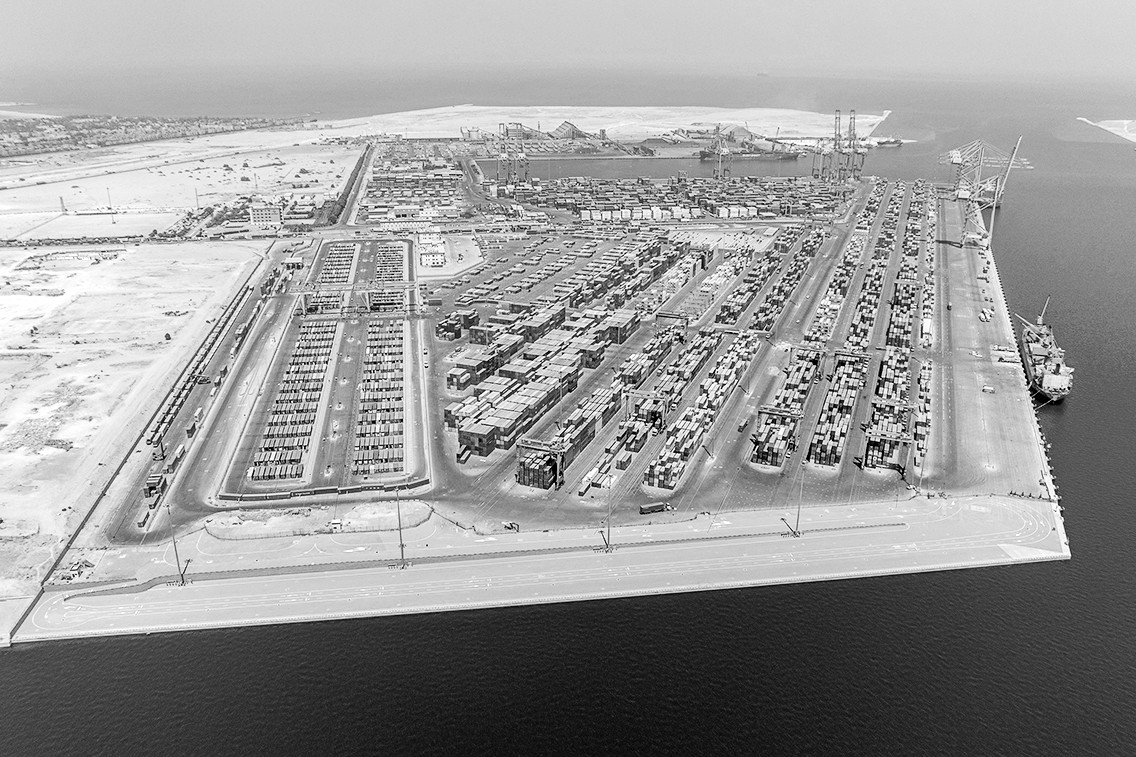
The United Arab Emirates has focused on building a network of commercial hubs, investing heavily in ports, logistics, and trade corridors. Through state-backed entities and private capital, it has established a strong presence in East and West Africa, often prioritising speed, flexibility, and commercial returns.


Saudi Arabia, meanwhile, has adopted a broader state-led strategy aligned with its Vision 2030 agenda. Its engagement emphasises large-scale development projects, energy cooperation, and long-term economic partnerships, often backed by sovereign wealth and government-to-government agreements.
Diverging approaches create tension
While both countries share an interest in expanding their footprint, their methods differ in ways that can lead to competition on the ground. The UAE’s agile, deal-driven model sometimes contrasts with Saudi Arabia’s more structured and state-centric approach.
This divergence has, in certain cases, resulted in overlapping investments, competing bids for infrastructure projects, and diplomatic friction. African governments, however, are often leveraging this competition to secure better terms, diversify partnerships, and accelerate development initiatives.
Strategic sectors in focus
Key sectors attracting Gulf investment include ports, renewable energy, agriculture, mining, and digital infrastructure. Control over logistics networks — particularly ports and shipping routes — has emerged as a central battleground, reflecting the importance of trade connectivity between Africa, the Middle East, and global markets.
Energy is another major focus area. Both nations are investing in renewable energy projects as well as traditional oil and gas partnerships, seeking to align Africa’s energy potential with their own long-term economic strategies.
Africa’s growing geopolitical importance
The increasing involvement of Gulf nations underscores Africa’s rising significance in global geopolitics. As traditional powers such as Europe and the United States reassess their engagement, new actors are stepping in to fill gaps in financing and infrastructure development.
For the UAE and Saudi Arabia, Africa represents not only an economic opportunity but also a platform for extending diplomatic influence and securing strategic assets.
Opportunities and risks for African partners
For African countries, the influx of Gulf capital offers clear benefits, including access to funding, infrastructure development, and trade integration. However, it also raises questions about dependency, governance, and the long-term alignment of interests.
Balancing relationships with multiple external partners will be crucial to ensuring that investments translate into sustainable growth and local value creation.
A competitive but evolving partnership landscape
The dynamic between the UAE and Saudi Arabia in Africa reflects a broader shift toward multipolar engagement in emerging markets. While competition may create occasional friction, it also has the potential to drive investment and innovation across the continent.
As both nations deepen their involvement, Africa is likely to remain a central arena for strategic competition — one where economic ambition and geopolitical influence increasingly intersect.
Newshub Editorial in Africa – March 30, 2026

If you have an account with ChatGPT you get deeper explanations,
background and context related to what you are reading.
Open an account:
Open an accountThe United Arab Emirates and Saudi Arabia are intensifying their engagement across Africa, positioning themselves as key economic and strategic partners, but their differing approaches are increasingly creating friction as both seek long-term influence on the continent.
Recent Comments