
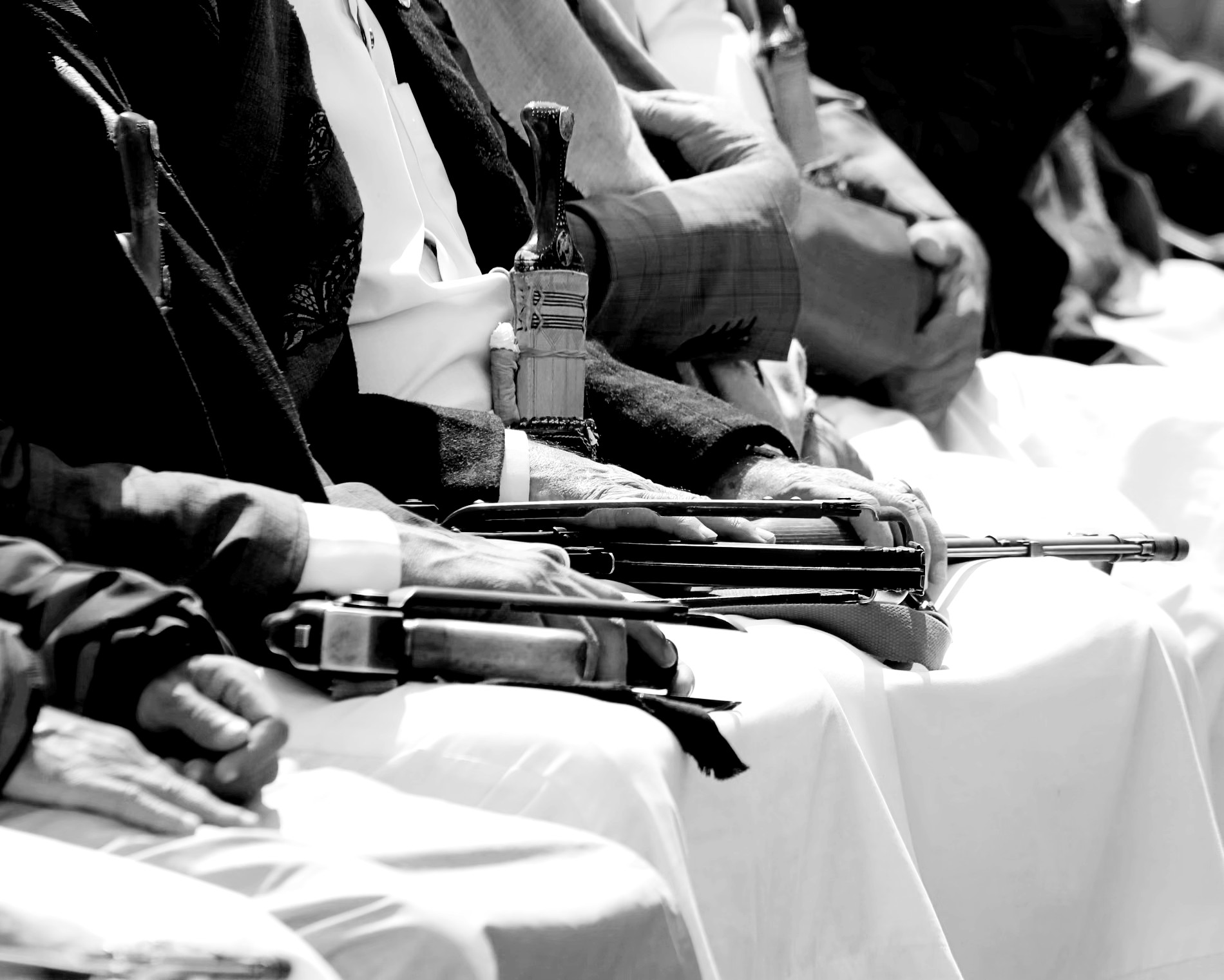
Gulf countries have issued stark warnings over a growing threat from Iran-backed militias and proxy networks, raising concerns that the ongoing conflict with the United States and Israel could spill into a broader regional security crisis driven by covert operations and internal destabilisation.
Rising fears of proxy escalation
Governments across the Gulf—including Saudi Arabia, the UAE, Kuwait and Bahrain—have warned that Iran’s network of allied militias is becoming an increasingly dangerous extension of the conflict. These groups, long used by Tehran to project influence across the region, are now seen as capable of launching both cross-border attacks and internal operations.
Recent developments have reinforced these concerns. Authorities in several Gulf states have reported dismantling Iran-linked cells, while Kuwait has foiled an alleged assassination plot targeting senior leadership figures.

The fear is no longer limited to external missile and drone strikes, but extends to the activation of sleeper networks operating within national borders.
A shift toward asymmetric warfare
Analysts note that Iran’s strategy is increasingly centred on asymmetric warfare—leveraging militias, proxy forces and covert networks rather than relying solely on conventional military engagement.
Groups such as Hezbollah, Iraqi militias and the Houthi movement in Yemen have already demonstrated their capacity to launch coordinated attacks across multiple fronts. Missile launches from Yemen and drone strikes targeting Gulf infrastructure underline the expanding geographical scope of the conflict.
This decentralised approach makes the threat harder to predict and contain, as proxy actors operate with varying degrees of autonomy while maintaining alignment with Tehran’s broader strategic objectives.
Sleeper cells and internal security risks
One of the most pressing concerns among Gulf states is the potential activation of sleeper cells—covert networks embedded within civilian populations that can be mobilised for sabotage, intelligence gathering or targeted attacks.
Security officials warn that such networks could transform the conflict into a two-front challenge: defending against external strikes while simultaneously managing internal threats.
The existence of these cells is not theoretical. Arrests and intelligence findings across the region suggest that Iran-linked operatives have already established footholds, raising the risk of coordinated disruptions to critical infrastructure and political stability.
Strategic stakes: energy and regional stability
The implications extend beyond security into the global economy. Gulf countries host key energy infrastructure and shipping routes, particularly around the Strait of Hormuz, through which a significant share of the world’s oil supply flows.
Any escalation involving proxy attacks on energy facilities, ports or logistics networks could have immediate consequences for global markets, amplifying volatility in oil prices and disrupting supply chains.
Gulf leaders have therefore called not only for de-escalation but for a more comprehensive strategy to limit Iran’s ability to deploy proxy forces as a long-term tool of influence.
A region on edge
While some countries in the region continue to advocate for diplomatic solutions, others are preparing for a prolonged period of instability. The divergence in approaches reflects differing risk exposures and strategic priorities, but all share a growing concern: the conflict is no longer confined to state actors.
The increasing role of militias and covert networks marks a significant shift in the nature of the crisis—one that blurs the line between war and internal security.
As tensions persist, the Gulf faces a complex and evolving threat landscape, where the greatest risks may emerge not from visible battlefronts, but from within.
Newshub Editorial in Middle East – March 28, 2026

If you have an account with ChatGPT you get deeper explanations,
background and context related to what you are reading.
Open an account:
Open an account
Recent Comments