
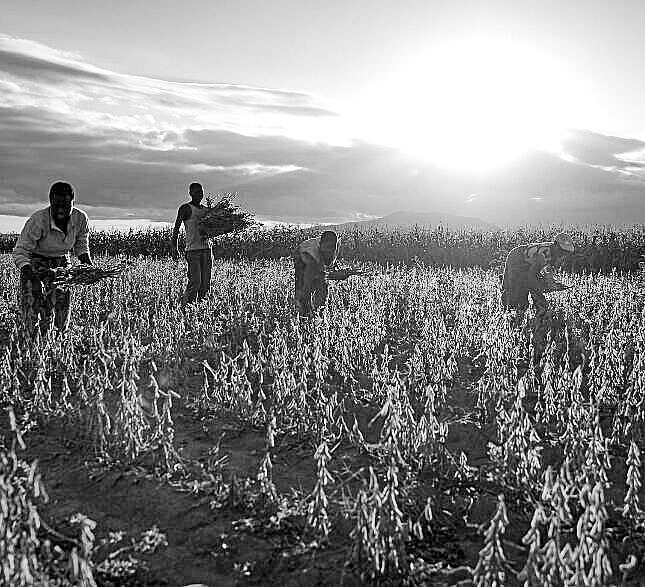
The escalating war in the Middle East is beginning to ripple far beyond the region, with analysts warning that disruptions to fertiliser exports from Iran and Gulf countries could significantly threaten agricultural production across Africa. Rising prices and delayed shipments are already creating concern among farmers and policymakers as the continent heads into key planting seasons.
Fertiliser supply chains disrupted
The conflict has disrupted fertiliser production and shipping routes across the Persian Gulf, one of the world’s most important hubs for agricultural inputs. Production stoppages, rising natural-gas prices and shipping disruptions are limiting supplies of key fertilisers such as urea, ammonia and phosphates.
A major factor is the disruption to maritime traffic through the Strait of Hormuz, a critical global shipping corridor. A significant share of the world’s fertiliser components and feedstocks normally transit through the route, making it a vital chokepoint for agricultural supply chains.

With tanker traffic severely reduced and shipping insurance costs rising, deliveries of fertiliser to international markets have slowed, pushing prices sharply higher.
Prices climb just as planting begins
The timing of the disruption could prove particularly damaging. Many farmers across Africa purchase fertiliser shortly before planting seasons, meaning sudden price spikes can drastically reduce how much fertiliser they apply to crops.
Global fertiliser prices have already begun rising rapidly. Urea prices in key markets have jumped by nearly 20 percent within days of the conflict escalating, while other fertiliser products have also recorded sharp increases.
In some markets, fertiliser prices have climbed from around $500 per tonne to more than $650 in a short period, reflecting both supply shortages and higher transportation costs.
For African farmers, who often operate with thin financial margins, even moderate price increases can lead to reduced fertiliser usage and lower crop yields.
Africa particularly vulnerable
Africa is especially exposed to fertiliser market shocks because many countries depend heavily on imports. Several major fertiliser producers are located in the Middle East, and disruptions to that supply chain can quickly affect African markets.
Agricultural economists warn that lower fertiliser use could reduce harvests of staple crops such as maize, wheat and rice. The resulting production declines may push food prices higher and increase the risk of food insecurity in vulnerable regions.
Previous fertiliser shortages — such as those seen during the global supply crisis in 2022 — led to measurable declines in crop yields across several African countries.
Analysts say a prolonged disruption could create a similar domino effect, affecting not only farmers but also national food systems and export markets.
Food security concerns growing
The developing crisis highlights the interconnected nature of global agriculture. Fertiliser production depends heavily on natural gas and petrochemicals, many of which originate in the Gulf region.
As the war continues to disrupt energy and shipping markets, the impact is increasingly spreading into the global food system.
For African governments and international organisations, the priority may soon shift toward securing alternative fertiliser supplies and stabilising agricultural inputs before planting cycles are severely disrupted.
If the conflict persists, analysts warn that the consequences could extend well beyond energy markets — potentially affecting food production and prices across the developing world.
Newshub Editorial in Africa – March 13, 2026

If you have an account with ChatGPT you get deeper explanations,
background and context related to what you are reading.
Open an account:
Open an account
Recent Comments