
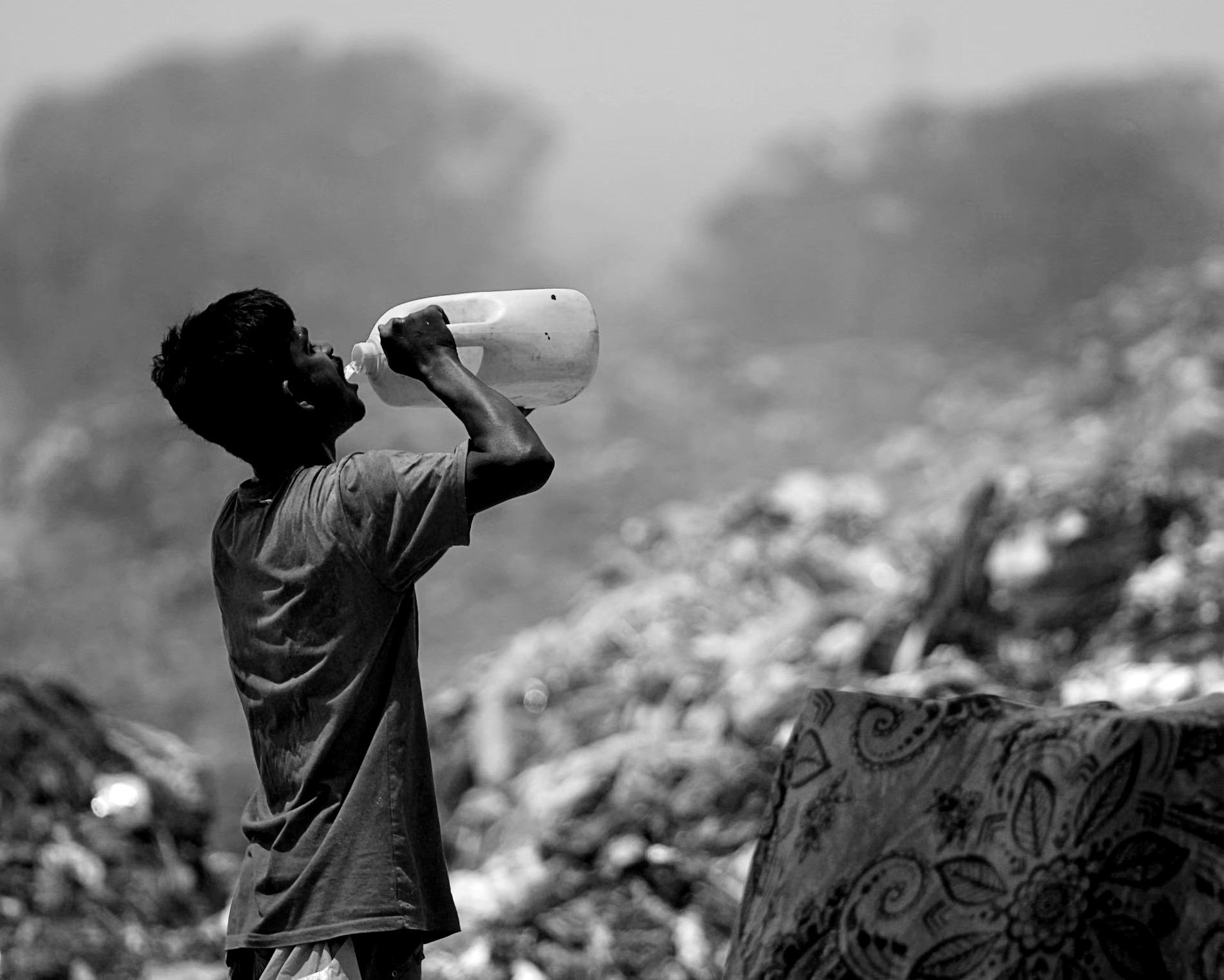
Extreme heat conditions are now affecting roughly one in three people across the globe, according to new research highlighting the growing human impact of climate change. Scientists warn that rising temperatures are increasingly making it difficult even for young and healthy individuals to safely carry out routine physical activities in many parts of the world.
Heat stress becoming a global health risk
The study found that escalating global temperatures are exposing billions of people to levels of heat that can place significant stress on the human body. As warming intensifies, large populations are increasingly experiencing days when environmental conditions push beyond thresholds considered safe for prolonged physical activity.
Researchers warn that high heat combined with humidity reduces the body’s ability to cool itself through sweating. When this natural cooling process becomes less effective, even moderate physical exertion—such as outdoor work, walking long distances or manual labour—can pose health risks.

This trend is particularly concerning in regions where large numbers of people work outdoors or lack access to cooling infrastructure.
Young and healthy individuals increasingly vulnerable
Historically, heat-related illness has primarily affected vulnerable populations such as the elderly, children and those with pre-existing medical conditions. However, scientists say the new research demonstrates that even young, healthy individuals are now increasingly exposed to dangerous levels of heat stress.
In many regions, daytime temperatures combined with humidity levels can make sustained physical work unsafe during peak hours. As a result, productivity losses are expected to rise across industries such as agriculture, construction and logistics.
Researchers describe the situation as a “sobering preview” of the conditions that could become increasingly common as global warming accelerates.
Economic and labour impacts emerging
The rise in extreme heat exposure is also expected to have significant economic implications. In many developing regions, millions of people rely on outdoor labour for their livelihoods.
As temperatures climb, workers may be forced to reduce working hours or shift activity to cooler times of day. This can lower productivity and reduce income for households already facing economic pressures.
Some governments and employers are beginning to introduce heat protection measures, including mandatory rest periods, revised work schedules and improved access to water and shade.
However, researchers warn that adaptation measures alone may not fully offset the long-term risks associated with continued warming.
Climate change driving more frequent heat extremes
The findings add to a growing body of scientific evidence showing that human-driven climate change is intensifying extreme heat events around the world.
Global average temperatures have been rising steadily in recent decades, increasing both the frequency and intensity of heatwaves. In many regions, what were once considered rare extreme heat events are becoming more common.
Scientists say that without significant reductions in greenhouse gas emissions, the number of people exposed to dangerous heat conditions could increase dramatically over the coming decades.
For policymakers, the research highlights the urgent need to address both climate mitigation and public health preparedness as extreme heat becomes a defining environmental challenge of the 21st century.
Newshub Editorial in Global — March 12, 2026

If you have an account with ChatGPT you get deeper explanations,
background and context related to what you are reading.
Open an account:
Open an account
Recent Comments