
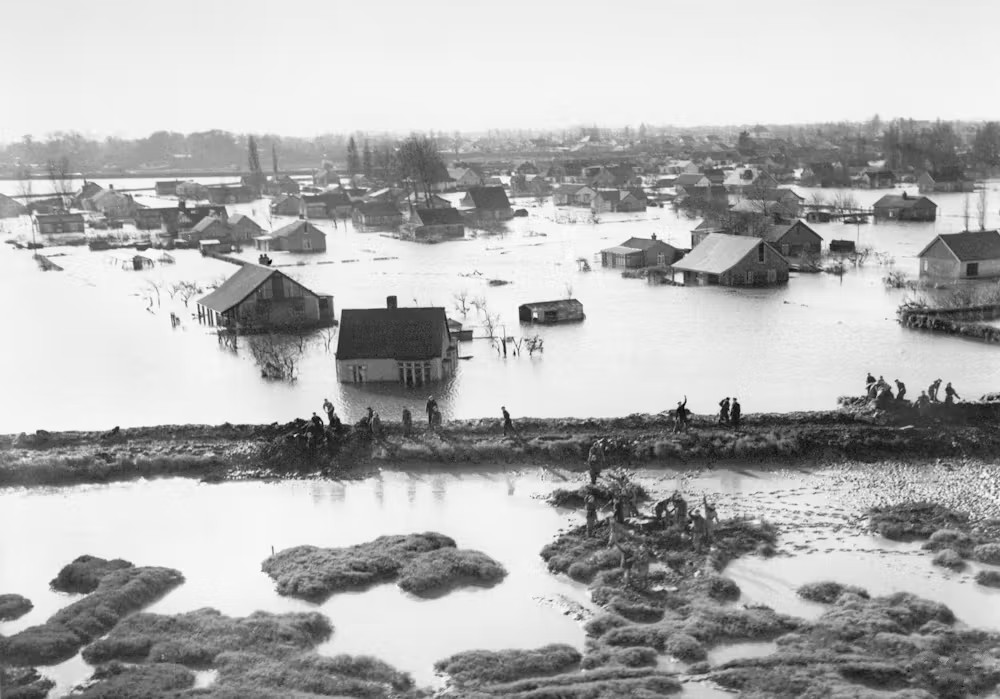
Reductions in international climate aid are increasingly being described by analysts and development organisations as a major setback for vulnerable countries, warning that withdrawing support from programmes in the global south could have long-term economic, environmental and humanitarian consequences.
Funding retreat alarms developing nations
Climate finance has long been viewed as a cornerstone of global efforts to help developing nations adapt to rising temperatures, extreme weather and shifting agricultural conditions. Yet recent reductions in aid commitments by several wealthier nations are raising concerns that the countries most exposed to climate risks will be left without adequate support.
Many climate programmes in Africa, Asia and parts of Latin America rely heavily on international funding for projects ranging from flood protection and drought-resilient agriculture to renewable energy infrastructure and coastal defence.

When funding is cut or delayed, these projects often stall or disappear entirely. Development agencies warn that such interruptions undermine years of progress and weaken the capacity of local governments to respond to increasingly severe climate shocks.
Critics argue that scaling back climate aid sends a troubling signal about whose futures are prioritised in the global response to climate change.
Growing gap between promises and delivery
For more than a decade, wealthy nations have pledged to mobilise large-scale climate financing to help developing countries both adapt to climate change and transition toward cleaner energy systems.
However, the gap between commitments and actual funding delivered has remained persistent. Several governments facing domestic fiscal pressures have begun reducing overseas development budgets, including funds earmarked for climate programmes.
This trend has sparked frustration among leaders across the global south, who argue that the countries most responsible for historical greenhouse gas emissions are retreating from their financial responsibilities.
At international climate negotiations, representatives from vulnerable nations have repeatedly emphasised that adaptation funding is essential not only for environmental protection but also for economic stability and food security.
Economic implications for vulnerable regions
The reduction of climate aid carries significant economic implications. In many developing economies, climate-related disasters already impose heavy financial burdens, damaging infrastructure, disrupting agriculture and reducing productivity.
Without external financial support, governments may struggle to finance adaptation measures or rebuild after extreme weather events. This can lead to slower economic growth, higher public debt and increased poverty levels.
Energy transitions may also stall if funding for renewable projects declines. Many emerging economies depend on international investment to develop solar, wind and grid infrastructure that would reduce dependence on fossil fuels.
For investors and financial institutions, these dynamics create additional uncertainty in emerging markets already exposed to climate risk.
Global consequences beyond borders
Experts increasingly warn that weakening climate support for developing countries could have broader global consequences. Environmental instability can contribute to migration pressures, food supply disruptions and geopolitical tension.
Climate change itself does not recognise national borders. If adaptation and mitigation efforts falter in vulnerable regions, the ripple effects can reach far beyond those countries.
Maintaining climate finance commitments, analysts argue, is therefore not only a matter of environmental justice but also one of global economic stability.
As governments prepare for the next round of international climate negotiations, the debate over funding levels is expected to remain central. For many nations in the global south, the outcome will determine whether they can realistically prepare for a future defined by a rapidly changing climate.
Newshub Editorial in Global – March 10, 2026

If you have an account with ChatGPT you get deeper explanations,
background and context related to what you are reading.
Open an account:
Open an account
Recent Comments