
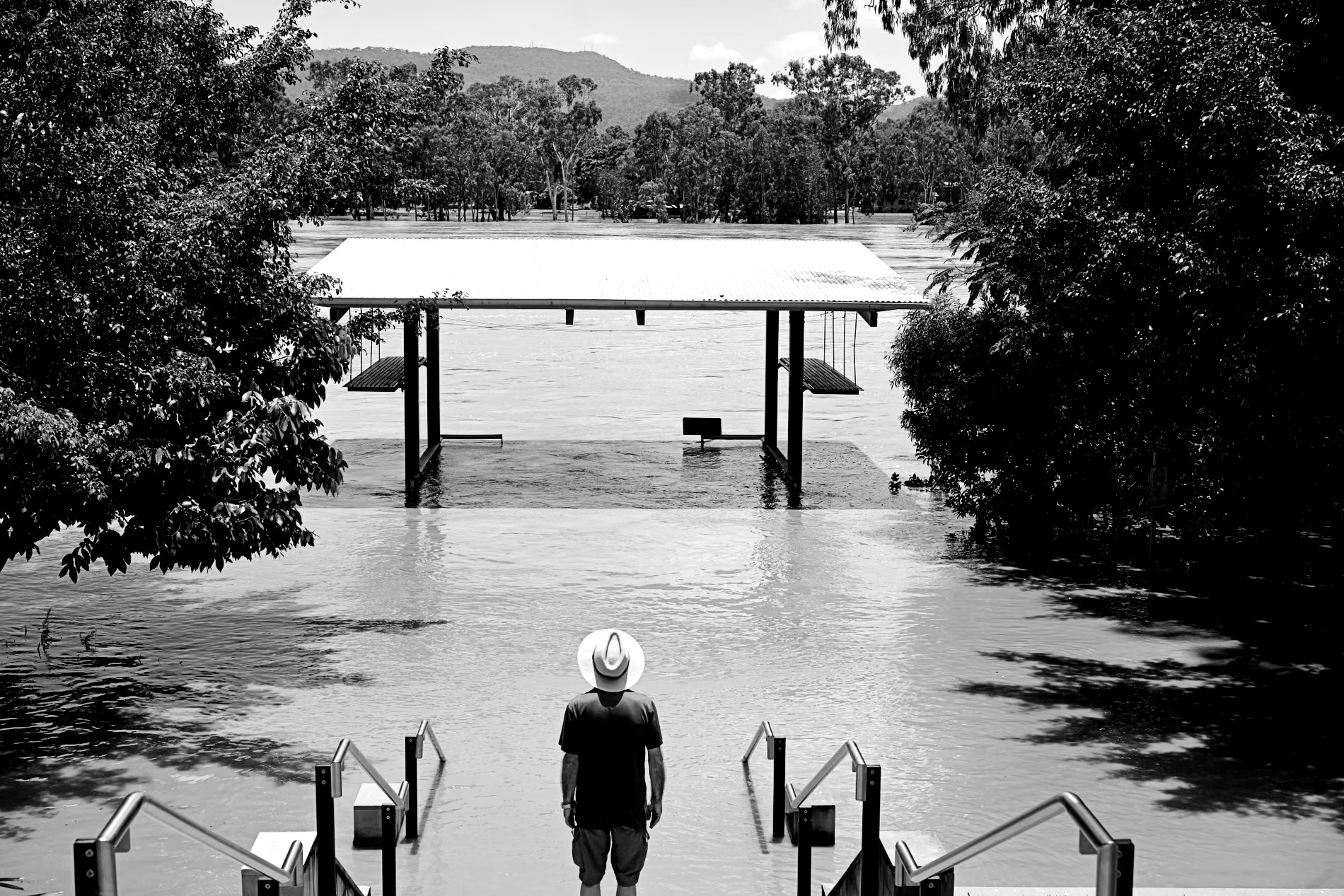
Australia has just experienced its wettest summer in nearly ten years, according to national climate data, while temperatures remained unusually high, making it the eighth-hottest summer ever recorded in the country. The unusual combination of heavy rainfall and persistent heat reflects the increasingly volatile climate patterns shaping weather across the continent.
Rainfall surges across large parts of the country
Meteorological data shows that rainfall during the Australian summer season exceeded long-term averages across several regions, marking the wettest summer since the mid-2010s. Large parts of eastern and northern Australia received particularly heavy rainfall, contributing to flooding in some areas and saturated soils across agricultural zones.
The increased precipitation has been linked partly to shifting ocean temperature patterns in the Pacific and Indian Oceans, which influence Australia’s seasonal weather cycles. Climate scientists note that warmer oceans can hold more moisture, increasing the likelihood of intense rainfall events.

For farmers and water authorities, the heavy rainfall brought mixed outcomes. While improved soil moisture and replenished reservoirs offer benefits for agriculture and water supply, excessive rain also disrupted crops and infrastructure in some regions.
Temperatures remain among the highest on record
Despite the unusually high rainfall totals, Australia still experienced one of its hottest summers since national records began. Average temperatures ranked as the eighth-highest on record, continuing a long-term warming trend observed across the continent.
Heatwaves affected several major cities during the summer months, with prolonged periods of elevated temperatures placing strain on electricity networks and increasing the risk of bushfires in drier inland regions.
Climate researchers emphasise that high rainfall and high temperatures are not mutually exclusive. Warmer atmospheric conditions can intensify both heatwaves and extreme precipitation, creating weather patterns that combine record heat with heavy rainfall.
Climate variability becoming more pronounced
Australia has long been known for its highly variable climate, but recent decades have seen a noticeable increase in extreme weather patterns. Scientists warn that climate change is amplifying the intensity of both wet and dry events, contributing to greater seasonal volatility.
The country has experienced several climate extremes in recent years, ranging from severe drought and catastrophic bushfires to widespread flooding. These shifts are forcing governments, infrastructure planners and agricultural sectors to adapt to a climate that is becoming less predictable.
In the long term, meteorologists expect Australia to continue facing hotter average temperatures alongside more intense rainfall events. This combination presents challenges for water management, urban planning and disaster preparedness.
The latest summer climate data therefore adds to growing evidence that Australia’s weather patterns are entering a new phase marked by both increased heat and greater rainfall variability.
Newshub Editorial in Oceania — March 5, 2026

If you have an account with ChatGPT you get deeper explanations,
background and context related to what you are reading.
Open an account:
Open an account
Recent Comments