
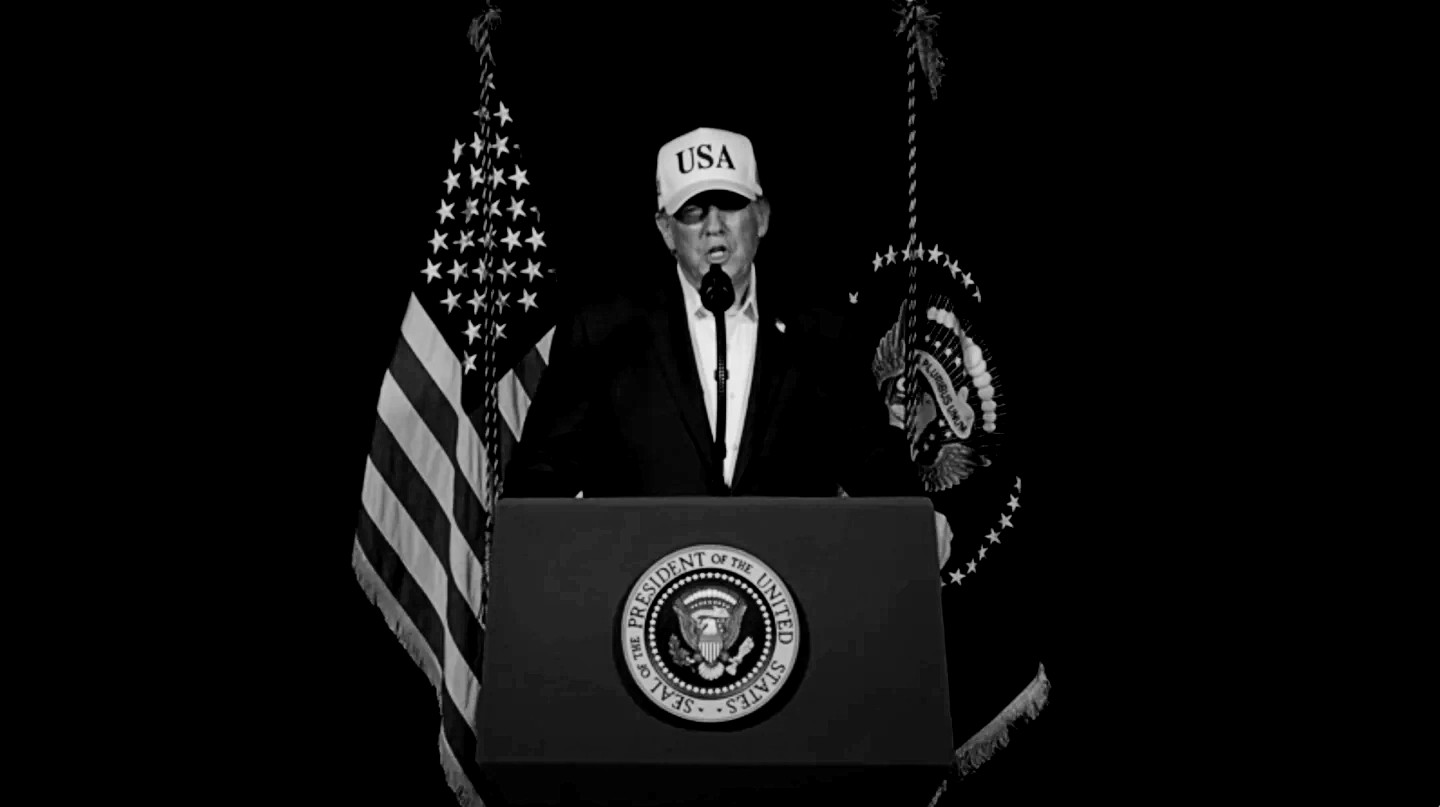
The latest US-led military strikes on Iran have triggered intense global debate, with critics arguing that the escalation risks reinforcing perceptions that the United States is acting outside international norms, while supporters insist the operation was necessary to counter a strategic threat.
Trump frames strikes as ‘justice’
President Donald Trump has defended the attacks as a decisive move to weaken Iran’s leadership and military capabilities, portraying the operation as both a strategic victory and a form of justice for American interests.
The coordinated strikes by the United States and Israel targeted military facilities and senior leadership sites across Iran. The operation, described by officials as one of the most extensive air campaigns against Iranian infrastructure, dramatically escalated tensions across the Middle East and triggered Iranian retaliation against US and allied targets in the region.

Trump’s allies argue the action was necessary to confront Iran’s missile programme and regional proxy networks, which Washington has long accused of destabilising the Middle East.
Global criticism intensifies
However, the strikes have also sparked strong criticism from international leaders and analysts who warn the operation could undermine global stability.
Several governments and international organisations have called for restraint and urged a return to diplomacy, warning that military escalation could trigger a broader regional conflict.
Some European leaders have described the attack as “dangerous”, while Russia and China condemned it as an act of aggression against a sovereign state.
Critics argue that unilateral military action risks eroding international legal norms and strengthening the perception that Washington is willing to bypass diplomatic frameworks in favour of force.
Domestic debate over legality
Inside the United States, the strikes have also reignited debate over presidential war powers. Several lawmakers from both parties have questioned whether the administration exceeded its authority by launching military operations without explicit congressional approval.
Legal scholars and political figures have warned that bypassing the legislative branch risks undermining constitutional checks and balances, while potentially drawing the country into another prolonged Middle East conflict.
Supporters of the administration counter that the president retains broad authority to act swiftly when national security is at risk, particularly when confronting hostile states or imminent threats.
Fear of a wider regional conflict
Beyond the political debate, the larger concern among analysts is whether the escalation could spiral into a broader regional confrontation.
Iran has already responded with missile and drone attacks targeting US bases and allied infrastructure across the Gulf region. The risk of further retaliation — including disruptions to shipping routes, energy infrastructure or proxy conflicts — has raised fears of sustained instability.
Diplomats at the United Nations have warned that without rapid de-escalation, the conflict could expand across multiple fronts in the Middle East, with unpredictable consequences for global security.
For now, the strikes have not only intensified military tensions but also reignited a deeper debate about the role of American power in the international system — and whether its actions are seen as enforcing order or contributing to global instability.
Newshub Editorial in Global Affairs — March 1, 2026

If you have an account with ChatGPT you get deeper explanations,
background and context related to what you are reading.
Open an account:
Open an account
Recent Comments