
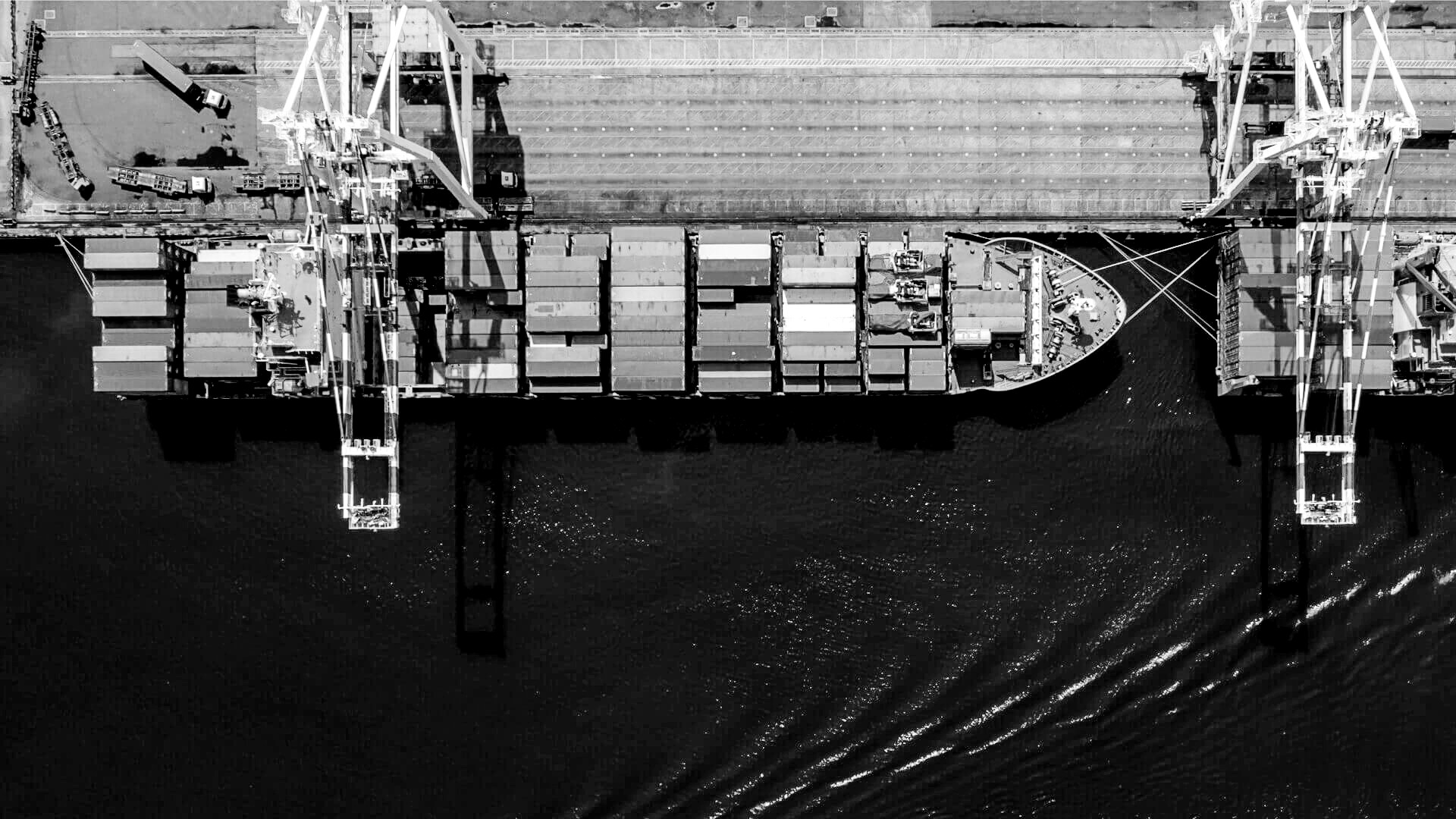
African economies are facing renewed uncertainty after the United States Supreme Court struck down President Donald Trump’s sweeping tariff policy, leaving businesses and governments across the continent struggling to navigate a rapidly shifting global trade landscape.
Legal ruling disrupts trade expectations
The ruling by the US Supreme Court invalidated the administration’s use of emergency economic powers to impose broad tariffs on imports from multiple trading partners. For many African exporters, the decision adds another layer of unpredictability to an already volatile trading environment.
Over the past year, Trump’s tariff strategy has followed what analysts describe as a “stop-start” pattern: tariffs imposed, suspended, reintroduced or revised within short time frames. For export-dependent economies, such unpredictability complicates planning for production, logistics and pricing.

African governments had already been adapting to a new trade reality shaped by rising protectionism in major economies. The sudden legal reversal in Washington now leaves companies uncertain about what tariff regime will ultimately apply to their exports to the United States.
Key export sectors exposed
Several African industries are particularly sensitive to shifts in US trade policy. Textile manufacturers in countries such as Kenya, Ethiopia and Lesotho rely heavily on access to American markets under preferential trade programmes.
Agricultural exporters are also vulnerable. Products including cocoa, coffee, flowers and fresh produce are shipped to US buyers under contracts negotiated months in advance. Sudden tariff changes can quickly alter profit margins or render shipments uncompetitive.
Mining economies could also feel indirect effects. Metals and minerals exported from Africa often move through global supply chains connected to US industry, meaning tariffs on downstream products can reduce demand for upstream raw materials.
Currency and investment pressures
Financial markets across Africa are also watching developments closely. Trade disruptions can weaken local currencies if export revenues decline, while foreign investors may delay investment decisions until the global trade environment becomes clearer.
Economists warn that uncertainty itself can be damaging, even if tariffs ultimately remain limited. Businesses typically scale back expansion plans when future market access is unclear.
This dynamic is particularly relevant for African economies that are attempting to accelerate industrialisation and diversify exports beyond raw commodities.
African trade strategy under pressure
The tariff volatility comes at a sensitive moment for the continent. Governments are working to deepen regional integration through the African Continental Free Trade Area (AfCFTA), a framework designed to strengthen intra-African trade and reduce reliance on external markets.
However, access to large global markets such as the United States remains crucial for export growth and industrial development.
Analysts suggest that African policymakers may now accelerate efforts to diversify trade partnerships and strengthen regional supply chains in order to reduce exposure to sudden shifts in external trade policies.
For now, the Supreme Court ruling has removed one layer of tariffs but introduced another challenge: a global trade environment where policy can shift rapidly, leaving exporters and investors searching for stability.
Newshub Editorial in Africa — March 1, 2026

If you have an account with ChatGPT you get deeper explanations,
background and context related to what you are reading.
Open an account:
Open an account
Recent Comments