
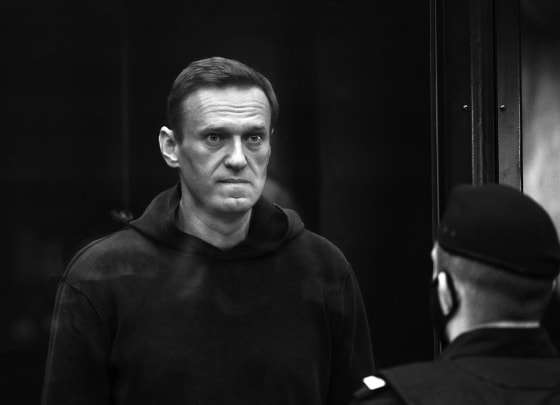
Aleksey Navalny, the anti-corruption campaigner who rose from blogger to become Russia’s most internationally recognised opposition figure, has died aged 47 while being held in a remote Siberian penal colony, Russian authorities confirmed. His death closes one of the most dramatic chapters in modern Russian political dissent — and leaves a profound vacuum for critics of the Kremlin.
From activist to global symbol
Navalny first gained prominence in the early 2010s through investigations exposing alleged corruption among Russia’s political and business elites. Using social media and sharply produced online documentaries, he reached millions inside and outside the country, reframing opposition politics for a digital generation. Over time, he evolved from activist to presidential hopeful, organising nationwide protests and building a decentralised political network despite mounting state pressure.
His work brought him into direct conflict with Vladimir Putin’s government. Arrests, raids on his organisations, and the designation of his movement as “extremist” steadily narrowed his operating space. Yet Navalny’s profile only grew internationally, with Western governments and human-rights groups increasingly treating him as the clearest face of Russian dissent.


Poisoned, imprisoned, unbroken
In 2020, Navalny narrowly survived a nerve-agent poisoning that independent laboratories later linked to a Novichok-type substance. After months of recovery abroad, he made the fateful decision to return to Russia in early 2021, where he was immediately detained. Subsequent trials produced a cascade of sentences on charges his supporters and international observers described as politically motivated.
He spent the last years of his life moving through Russia’s penal system, ultimately ending up in a high-security colony inside the Arctic Circle. Even from prison, Navalny continued to publish statements via his legal team, urging Russians not to surrender to fear and calling on the international community to maintain pressure on Moscow.
Death in detention raises global alarm
Russian officials said Navalny collapsed after a walk and could not be revived. Independent verification remains limited. His team has demanded full transparency, while European leaders and US officials have called for an international investigation. Markets reacted cautiously, but the geopolitical implications are significant: Navalny’s death further darkens Russia’s relations with the West and reinforces concerns over political repression.
For investors, the episode underscores the persistence of governance risk in Russia and neighbouring regions. Sanctions exposure, regulatory unpredictability, and reputational considerations are once again moving higher on risk matrices, particularly for funds with residual emerging-market allocations.
A legacy beyond borders
To supporters, Aleksey Navalny represented courage in the face of overwhelming odds. To critics, he was a destabilising force. Whatever the perspective, his impact is undeniable. Navalny demonstrated how investigative journalism, grassroots organising, and digital platforms could challenge entrenched power — even in one of the world’s most tightly controlled political systems.
His death is likely to galvanise exiled opposition groups while chilling dissent at home. Whether a new figure can emerge to unify Russia’s fragmented opposition remains uncertain. What is clear is that Navalny’s life — and now his death — has become a defining symbol of resistance in contemporary Russia.
Newshub Editorial in Europe – 16 February 2026

If you have an account with ChatGPT you get deeper explanations,
background and context related to what you are reading.
Open an account:
Open an accountAleksey Navalny, the anti-corruption campaigner who rose from blogger to become Russia’s most internationally recognised opposition figure, has died aged 47 while being held in a remote Siberian penal colony, Russian authorities confirmed. His death closes one of the most dramatic chapters in modern Russian political dissent — and leaves a profound vacuum for critics of the Kremlin.
Recent Comments