
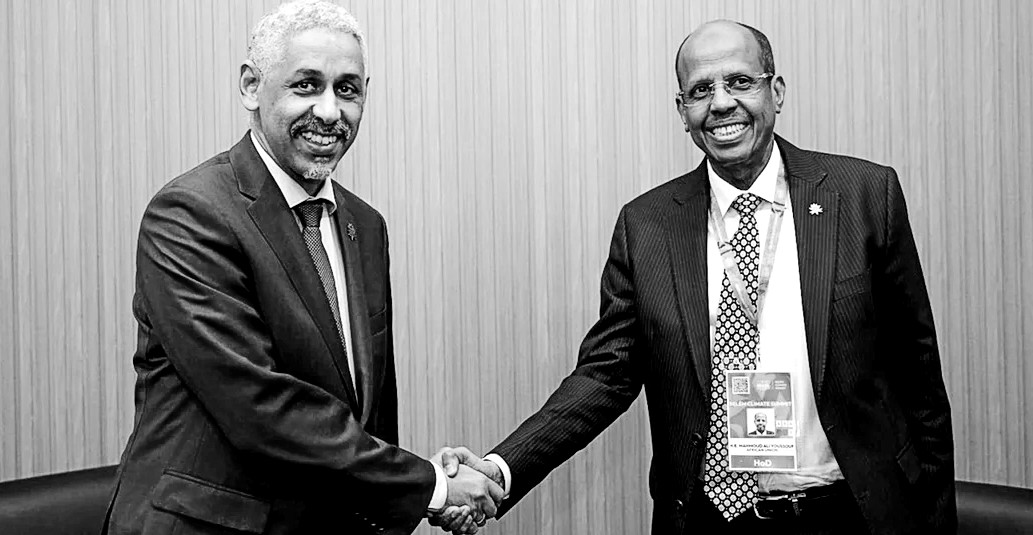
Africa’s development agenda took centre stage at the 39th African Union Summit, where the African Development Bank outlined its Four Cardinal Points as a practical roadmap to accelerate delivery of Agenda 2063, the continent’s long-term blueprint for inclusive growth, integration, and prosperity.
A strategic reset for continental ambitions
Addressing leaders and delegates at the African Union gathering, AfDB President Akinwumi Adesina framed the moment as a shift from vision to execution. With many countries facing debt pressure, climate shocks, and infrastructure gaps, he stressed the need for coordinated financing and measurable outcomes. The Four Cardinal Points are designed to align national development plans with regional priorities, ensuring that Agenda 2063 translates into bankable projects and tangible social impact.
The four pillars of acceleration
The AfDB’s framework centres on: boosting domestic resource mobilisation; scaling climate-resilient infrastructure; expanding private-sector participation; and deepening regional integration. Together, these pillars aim to unlock capital at scale while strengthening institutions and cross-border trade. Officials highlighted transport corridors, energy interconnections, and digital infrastructure as near-term priorities, arguing that productivity gains depend on reliable power, efficient logistics, and modern financial systems.


Financing growth in a constrained environment
A recurring theme at the summit was the urgency of mobilising blended finance as concessional resources tighten. The AfDB said it will intensify partnerships with pension funds, sovereign investors, and development agencies to crowd in private capital. Risk-sharing instruments and project preparation facilities are being expanded to help countries move faster from feasibility studies to financial close, particularly in energy, agribusiness, and urban development.
Leaders also discussed debt sustainability and the need for smarter refinancing mechanisms. The bank reiterated its support for debt-for-development swaps and local-currency financing to reduce exposure to exchange-rate volatility, while calling for reforms to the global financial architecture that better reflect Africa’s growth potential.
From policy alignment to project delivery
Beyond financing, the Four Cardinal Points emphasise execution discipline. The AfDB pledged tighter monitoring frameworks, standardised procurement processes, and stronger data systems to track progress against Agenda 2063 benchmarks. Regional economic communities are expected to play a larger coordinating role, ensuring that investments in roads, ports, and power grids are synchronised across borders rather than fragmented by national silos.
Implications for investors and partners
For international investors, the message from the summit was clear: Africa is prioritising scalable, climate-aligned projects with credible governance structures. The AfDB’s approach seeks to de-risk early stages of development while offering long-term opportunities in renewable energy, logistics, housing, and digital services. For governments, the framework provides a common language to attract capital and demonstrate reform momentum.
A continental push toward 2063
As Africa navigates a complex global economy, the Four Cardinal Points are positioned as a pragmatic bridge between ambition and implementation. By tying Agenda 2063 to concrete financing pathways and delivery standards, the AfDB aims to accelerate growth, expand employment, and strengthen resilience across member states.
The summit underscored that success will depend not only on funding, but on sustained political commitment and regional cooperation — a reminder that Africa’s transformation is a collective endeavour, measured in projects completed and lives improved.
Newshub Editorial in Africa – 12 February 2026

If you have an account with ChatGPT you get deeper explanations,
background and context related to what you are reading.
Open an account:
Open an accountAfrica’s development agenda took centre stage at the 39th African Union Summit, where the African Development Bank outlined its Four Cardinal Points as a practical roadmap to accelerate delivery of Agenda 2063, the continent’s long-term blueprint for inclusive growth, integration, and prosperity.
Recent Comments