
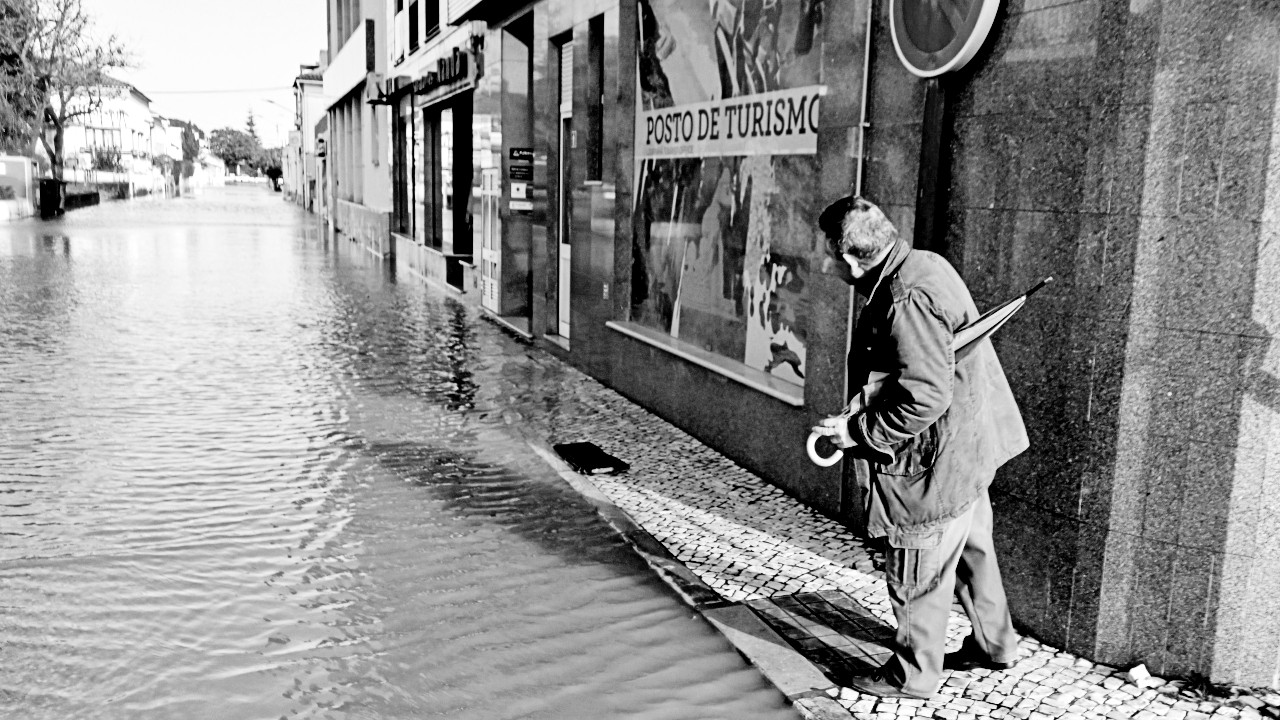
Spain and Portugal were struck Tuesday by a third powerful storm system in just two weeks, compounding flood damage, disrupting transport networks, and deepening concerns over infrastructure resilience as emergency services battled rising rivers, landslides, and widespread power outages across the Iberian Peninsula.
Emergency response stretched as flooding spreads
Authorities in eastern and southern Spain reported renewed flash flooding, with hardest-hit areas including parts of Valencia and inland Andalusia, where swollen waterways forced fresh evacuations. In Portugal, heavy rainfall and gale-force winds battered coastal districts and low-lying urban zones around Lisbon, prompting the closure of roads, rail links, and several schools.

Civil protection agencies confirmed multiple fatalities linked to flooding and storm-related incidents, while thousands of residents were advised to remain indoors. Fire brigades and military units were deployed to reinforce riverbanks, clear debris, and assist vulnerable communities as water levels continued to rise overnight.
Transport and utilities disrupted
The storm system brought intense rainfall and sustained winds that knocked out electricity to tens of thousands of households. Airports across the region reported delays and cancellations, while key motorway corridors were temporarily shut due to landslides and surface flooding.
Rail operators in both countries reduced services on several intercity routes as a precaution, citing saturated ground conditions and the risk of track instability. Port authorities also imposed restrictions on maritime traffic, with rough seas hampering cargo movements and fishing activity.
Insurance groups warned that claims from the latest event are likely to add significantly to losses already incurred from the previous two storms, raising fresh questions about coverage costs and the long-term financial impact of increasingly frequent extreme weather.
Climate patterns and infrastructure under scrutiny
Meteorologists said the latest storm followed an unusually active Atlantic weather pattern, delivering successive systems with little recovery time for saturated soils and drainage networks. Urban planners and climate researchers noted that repeated downpours in short succession dramatically increase the risk of flash flooding, particularly in densely populated coastal regions.
Local governments are now facing mounting pressure to accelerate flood-defence upgrades and review emergency preparedness protocols. Critics argue that ageing drainage systems and unchecked development in flood-prone zones have amplified the damage, while officials stress that the intensity of recent rainfall events has exceeded historical norms.
Economic implications emerge
Beyond the immediate humanitarian toll, the storms are beginning to weigh on regional economies. Agricultural producers reported crop losses in citrus and vegetable-growing areas, while tourism operators warned of cancellations during what is normally a quieter but important winter travel period.
For investors, the sequence of storms highlights growing climate-related operational risk across southern Europe. Repeated disruptions to logistics, energy supply, and local commerce underscore the importance of resilience planning as weather volatility becomes a persistent factor in economic forecasting.
Outlook: recovery before the next system
Forecasts suggest a brief easing later this week, offering a narrow window for clean-up efforts before further unsettled conditions potentially arrive. Emergency authorities urged residents to remain vigilant, warning that rivers may continue to rise even after rainfall subsides.
As Spain and Portugal begin yet another recovery phase, the past fortnight has served as a stark reminder that extreme weather is no longer an isolated event—but an accelerating pattern demanding sustained policy, infrastructure, and investment responses.
Newshub Editorial in Europe – 10 February 2026

If you have an account with ChatGPT you get deeper explanations,
background and context related to what you are reading.
Open an account:
Open an account
Recent Comments