
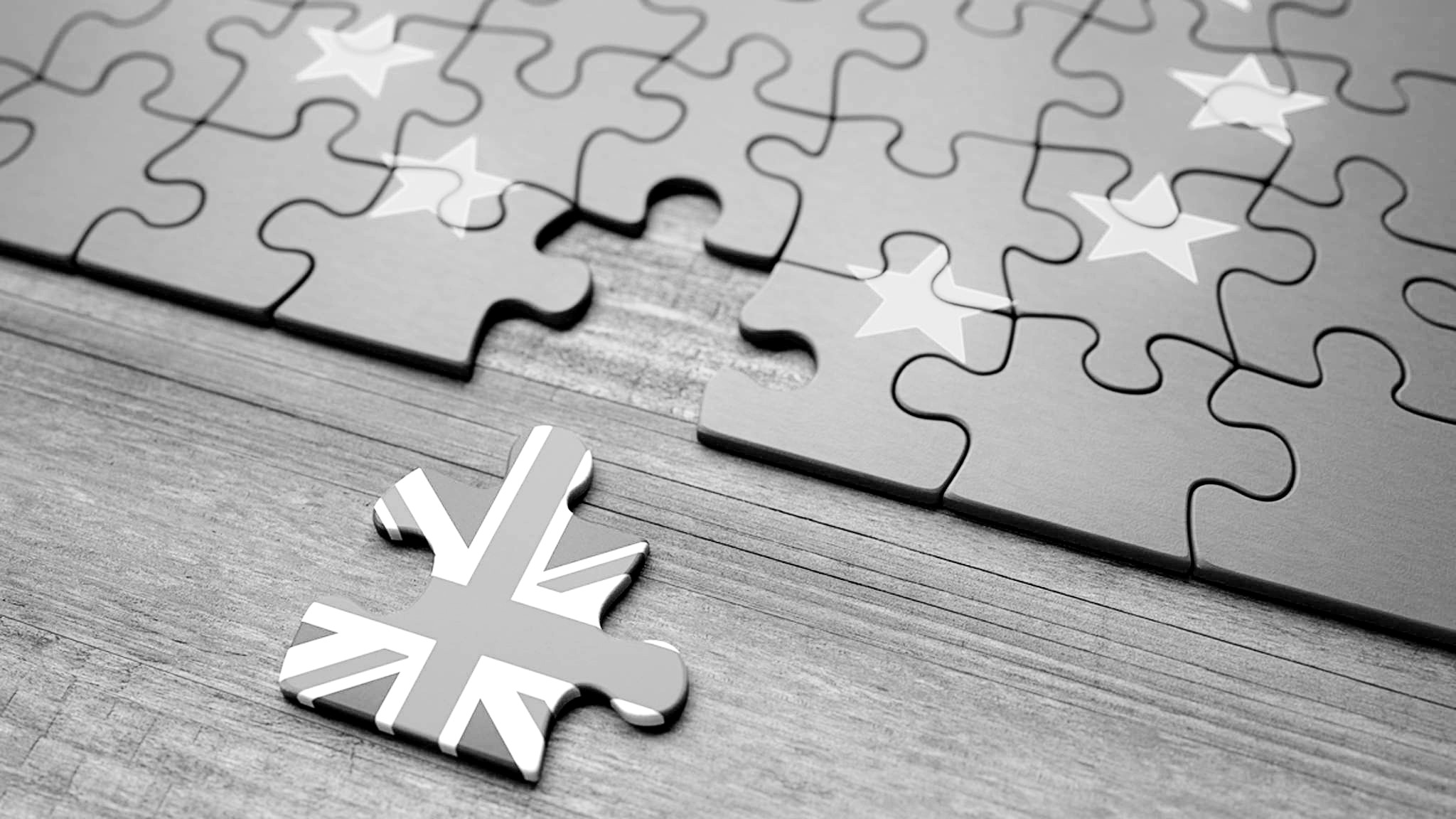
The United Kingdom formally left the European Union on 31 January 2020, ending nearly half a century of political, economic and legal integration with the European project. The moment marked one of the most significant constitutional changes in modern British history, reshaping the country’s relationship with Europe and redefining its place in the world.
From membership to rupture
The United Kingdom joined the European Economic Community in 1973, seeking economic stability and access to a growing common market. Over the decades, membership evolved into participation in the European Union, bringing free movement of goods, services, capital and people, as well as shared regulatory frameworks. While Britain retained opt-outs from the euro and the Schengen Area, EU membership became deeply embedded in trade, lawmaking and daily life.
Yet scepticism never disappeared. Concerns over sovereignty, immigration, democratic accountability and regulatory reach persisted across the political spectrum. These tensions culminated in the 2016 referendum, in which a narrow majority voted to leave the EU, triggering a prolonged and often polarising political process.

The path to departure
Following the referendum, successive governments grappled with the legal and practical implications of withdrawal. Negotiations with the EU proved complex, particularly around trade arrangements, citizens’ rights and the future of the Irish border. Parliamentary deadlock, leadership changes and repeated votes reflected the depth of division within British politics and society.
Ultimately, a withdrawal agreement was ratified, setting the terms of departure and a transition period to cushion the immediate economic shock. At 11 pm UK time on 31 January 2020, the United Kingdom ceased to be an EU member state, formally closing the chapter that began in the early 1970s.
Economic and political implications
Leaving the EU did not mean an immediate severing of ties. During the transition period, EU rules continued to apply while future trade relations were negotiated. Nevertheless, Brexit introduced long-term structural changes. Businesses faced new customs procedures, regulatory divergence risks and altered labour mobility. Financial services, manufacturing and agriculture all entered periods of adjustment.
Politically, Brexit reasserted parliamentary sovereignty in principle, while simultaneously exposing the constraints of global interdependence. It also intensified debates over the UK’s internal union, with renewed focus on Scotland, Northern Ireland and the balance of powers between Westminster and devolved administrations.
A redefined global posture
Supporters of Brexit framed departure as an opportunity to pursue an independent trade policy and a more global outlook. Critics warned of reduced influence and economic friction with Britain’s largest trading partner. In practice, the post-EU era has required careful recalibration, balancing autonomy with the realities of international markets and alliances.
A moment that still resonates
The formal exit from the EU was not an endpoint but a turning point. Its consequences continue to unfold across economics, diplomacy and domestic politics. More than a legal withdrawal, Brexit remains a defining event that reshaped national debate and will influence the United Kingdom’s trajectory for decades to come.
Newshub Editorial in Europe – 31 January 2026

If you have an account with ChatGPT you get deeper explanations,
background and context related to what you are reading.
Open an account:
Open an account
Recent Comments